Skip to content

Tag: gambling

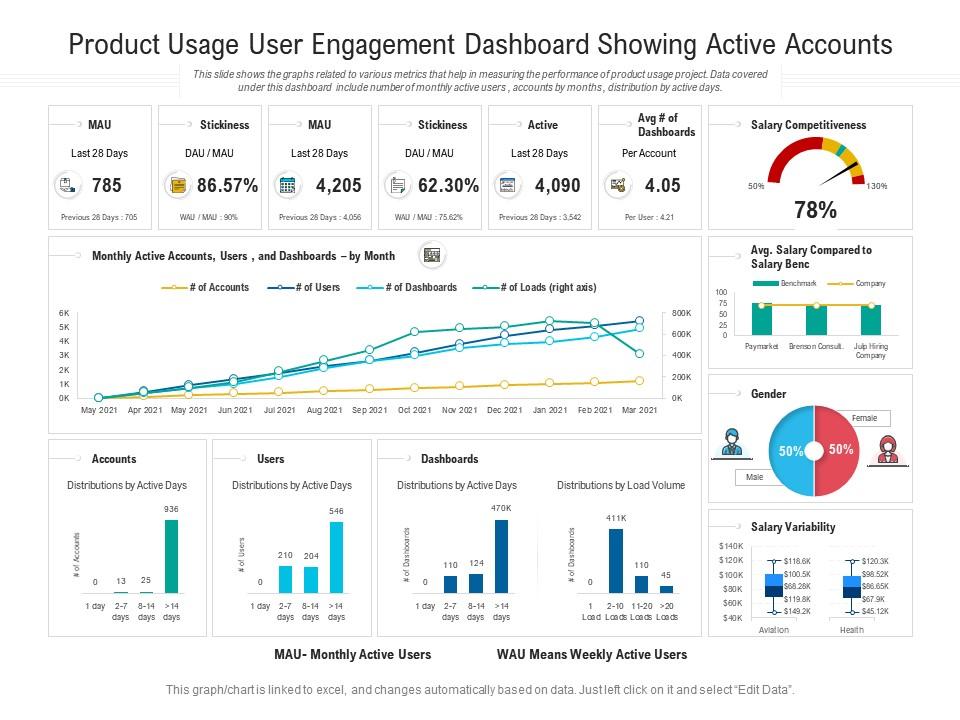
Engagement Quality Metrics

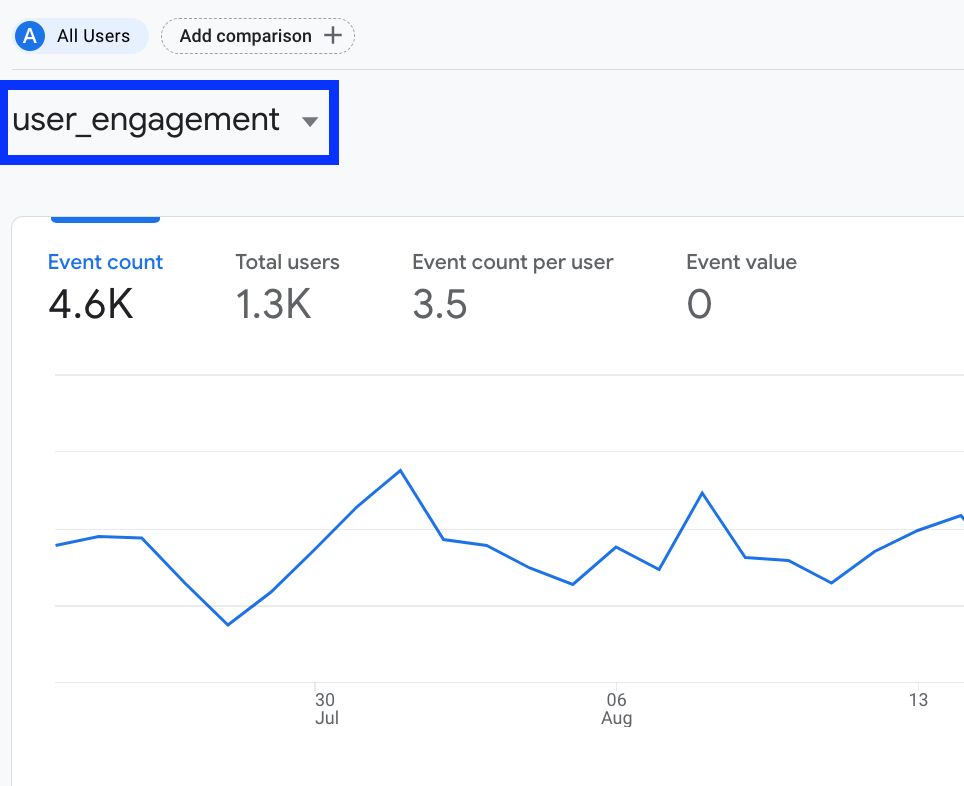
Measuring engagement quality is a critical component in understanding how users interact with digital platforms, products, or services. Engagement goes beyond mere activity; it assesses the depth, value, and meaningfulness of interactions. While traditional metrics such as page views, clicks, or session duration provide a quantitative snapshot, they do not fully capture the qualitative aspects that define genuine user engagement. Quality engagement metrics aim to bridge this gap, providing insights that are actionable and reflective of user satisfaction, retention, and brand loyalty.

At the core of engagement quality metrics is the understanding that not all interactions are equal. A user may spend ten minutes on a platform but if their actions are repetitive or superficial, the engagement value is low. Conversely, a five-minute session with thoughtful interaction, such as commenting, sharing content, or completing meaningful tasks, can indicate high-quality engagement. This distinction is crucial for platforms seeking to optimize content, features, and overall user experience. Platforms must develop metrics that account for both quantity and quality, ensuring that engagement signals truly reflect user intent and satisfaction.

One key metric is interaction depth, which measures how much a user explores or interacts with the platform. For example, in social media or content-driven platforms, interaction depth could include the number of posts a user reads, comments on, or shares, as well as the variety of content categories they engage with. This metric helps identify highly engaged users who are more likely to become loyal advocates or contributors. Interaction depth is particularly useful for personalization algorithms, as it allows platforms to surface content that aligns with user interests and encourages deeper involvement.

Another important aspect is engagement frequency, which evaluates how often a user returns to interact meaningfully with the platform. Frequent interactions suggest habit formation and strong user interest, whereas sporadic engagement may indicate limited relevance or weak user retention. However, frequency alone is insufficient; it must be contextualized with the quality of each interaction. Metrics that combine frequency and depth can provide a more holistic view of engagement, distinguishing between casual visitors and highly involved users who drive value for the platform.

Content relevance and resonance also play a significant role in quality engagement. Metrics such as time spent per content piece, scroll depth, and social sharing can indicate whether users find content meaningful or engaging. When users engage with content in ways that suggest genuine interest, such as reading articles thoroughly, saving resources for future reference, or discussing content in forums, it reflects high-quality engagement. Measuring these behaviors allows platforms to refine content strategies, emphasizing material that resonates deeply with the target audience.

Conversion-driven engagement is another critical measure, particularly for commercial platforms. While engagement for its own sake can be informative, high-quality engagement often correlates with desired outcomes, such as completing purchases, subscribing to services, or participating in campaigns. Tracking the pathway from initial interaction to conversion provides insights into how engagement translates into tangible value. This approach enables businesses to understand not just who is engaging, but which types of engagement contribute directly to objectives, helping prioritize resources and optimize experiences for maximum impact.

Social and community engagement metrics capture interactions that involve collaboration, sharing, or co-creation. This includes activities like commenting, liking, peer-to-peer messaging, or contributing user-generated content. High levels of social engagement often indicate strong community bonds, user investment, and platform loyalty. Measuring these interactions can guide community management strategies, ensuring that users feel valued and that their contributions are recognized, which in turn fosters sustained engagement.

Sentiment analysis complements quantitative metrics by assessing the emotional and attitudinal dimensions of user engagement. Understanding whether user interactions carry positive, neutral, or negative sentiment allows platforms to gauge satisfaction and identify friction points. Sentiment-driven insights can inform improvements in content, design, support services, and overall user experience. When combined with other metrics, sentiment analysis offers a nuanced perspective on engagement quality, highlighting not just the frequency and depth of interactions but also the emotional impact they produce.

Retention and churn rates are also indicative of engagement quality. Users who continue to return over time, demonstrating loyalty and repeated interaction, reflect positive engagement. Conversely, high churn or abandonment rates suggest issues with the platform’s ability to maintain user interest or deliver value. Analyzing retention in conjunction with engagement behaviors helps identify patterns, such as which features or content types contribute to sustained engagement, and which may lead to disengagement. This informs product development and marketing strategies that aim to maximize long-term user involvement.

Incorporating feedback loops into engagement metrics strengthens their effectiveness. Direct user feedback, whether through surveys, ratings, or in-platform prompts, provides explicit insights into perceived value and satisfaction. When platforms integrate feedback into their engagement assessment framework, they gain a clearer understanding of user needs, preferences, and pain points. This allows for iterative improvements that enhance both the quality and relevance of user interactions.

Ultimately, high-quality engagement metrics are multidimensional, combining behavioral, emotional, and outcome-oriented signals. They require sophisticated measurement approaches that balance quantitative data with qualitative insights, enabling platforms to make informed decisions about content, features, and community strategies. By prioritizing meaningful interactions, rather than simply raw activity, organizations can foster deeper user connections, increase loyalty, and drive long-term success.

High-quality engagement is not just a number; it reflects the health of the relationship between users and the platform. Organizations that successfully capture and act upon these insights are better positioned to anticipate user needs, enhance experiences, and create value that extends beyond mere interaction counts. The focus on engagement quality metrics ensures that efforts are directed toward sustaining genuine, impactful user relationships, ultimately driving growth and reinforcing trust. By continually analyzing, refining, and contextualizing engagement data, platforms can evolve in ways that maintain relevance, satisfaction, and meaningful connection over time.
Image
Image
Image
Image
Image
Image
Image
Image
Image

Trust Journey Mapping

The concept of trust journey mapping is an essential tool for understanding how individuals or customers develop confidence and reliance on a platform, service, or brand over time. Trust is not established instantaneously; it evolves through a series of interactions, experiences, and perceptions that collectively shape an individual’s overall sense of security and comfort. Mapping this journey involves identifying the key touchpoints, emotional responses, and potential friction points that can either reinforce or erode trust. This process is highly valuable for organizations seeking to design experiences that are not only functional but also psychologically reassuring, ultimately fostering loyalty and long-term engagement.

At the beginning of a trust journey, initial impressions play a crucial role. Users often form expectations based on external cues such as branding, design aesthetics, recommendations, and reviews. A visually coherent interface, transparent communication, and clear presentation of policies can create a positive first impression that signals reliability. Conversely, inconsistent messaging, ambiguous information, or outdated interfaces can trigger skepticism and doubt. Early experiences, whether during account creation, initial usage, or first interactions, are pivotal because they set the baseline for how trust will be evaluated in subsequent stages. The initial phase often determines whether a user is willing to explore further or disengage entirely.

Once initial engagement occurs, consistency becomes a key driver of trust. Consistent performance, predictable behavior, and adherence to promised standards reassure users that the platform or service is dependable. For example, reliable system performance, timely responses from support channels, and accurate representation of offerings build confidence incrementally. Inconsistent responses, unexpected downtime, or contradictory information can create uncertainty, undermining trust even if the initial impression was positive. The trust journey, therefore, requires careful design of repetitive interactions that demonstrate reliability and predictability across touchpoints.

Transparency and clarity are central pillars of trust development. Users are more likely to feel secure when processes, decision-making criteria, and data handling practices are communicated openly. For instance, providing clear information about privacy policies, security measures, or the reasoning behind recommendations empowers users to make informed choices. Transparency reduces ambiguity, minimizes the perception of hidden agendas, and conveys respect for the user’s autonomy. Organizations that proactively disclose potential risks, limitations, or changes in service demonstrate integrity, which reinforces trust over time.

Emotional resonance is another critical factor in trust journeys. Trust is not purely rational; it is deeply intertwined with feelings of safety, respect, and understanding. Positive emotions, such as relief when a process works smoothly or satisfaction from helpful support, strengthen trust bonds. Negative emotions, like frustration from repeated errors or anxiety about data misuse, can quickly erode trust. Mapping the emotional arc of the user’s journey allows organizations to identify moments of potential vulnerability and design interventions that mitigate negative emotions while amplifying positive ones. Empathy-driven communication and user-centered problem solving are particularly effective in maintaining trust during challenging interactions.

Feedback loops play a vital role in reinforcing trust. Opportunities for users to express concerns, ask questions, or provide input signal that their voice is valued and that the organization is accountable. Responding meaningfully to feedback, implementing changes based on user insights, and acknowledging mistakes transparently contribute to a perception of reliability and ethical behavior. Conversely, ignoring feedback or providing superficial responses can diminish trust, creating a sense of alienation. A well-structured trust journey integrates mechanisms for continuous feedback and visible actions that demonstrate responsiveness.

Trust journey mapping also involves anticipating potential disruptions and planning recovery strategies. Trust is fragile and can be compromised by errors, service interruptions, or miscommunications. Effective mapping identifies critical failure points and develops contingency plans to restore confidence swiftly. For example, clear communication during outages, transparent explanations for errors, and prompt rectification measures can prevent temporary issues from causing long-term trust erosion. Organizations that demonstrate resilience and accountability during crises reinforce their commitment to user well-being, which can strengthen trust beyond pre-crisis levels.

Segmentation and personalization further enhance trust. Recognizing that different users have varying expectations, risk tolerances, and communication preferences allows for tailored experiences that resonate with individual needs. Personalized guidance, targeted reassurances, and context-sensitive information can make users feel understood and supported. When users perceive that their unique concerns are acknowledged and addressed, trust deepens. Conversely, a one-size-fits-all approach may fail to account for individual differences, potentially creating disconnects or perceptions of neglect.

Finally, the culmination of a trust journey is often seen in behaviors such as loyalty, advocacy, and sustained engagement. Users who have experienced consistent reliability, transparency, empathy, and responsiveness are more likely to continue interacting, recommend the service to others, and forgive occasional mistakes. Tracking these outcomes alongside intermediate interactions provides a holistic view of trust evolution and highlights areas for continuous improvement. Trust journey mapping is, therefore, not a one-time exercise but an ongoing practice that informs strategy, design, and communication across all stages of the user experience.

By systematically analyzing each phase of interaction—from initial exposure through long-term engagement—trust journey mapping offers actionable insights into how confidence is cultivated and maintained. It illuminates the factors that build or undermine trust, allowing organizations to prioritize interventions that matter most to users. Understanding the interplay of perception, emotion, consistency, and transparency empowers organizations to create experiences that not only meet functional needs but also foster psychological assurance. In a world where trust is a key differentiator, mapping the journey becomes both a strategic necessity and a guide for ethical, user-centered design. Through careful observation, thoughtful design, and responsive communication, organizations can chart a path that transforms cautious users into confident, loyal advocates, ensuring that trust is nurtured at every step of the experience.

Live Market Navigation

Navigating a live market environment requires a blend of preparation, awareness, and adaptability. Unlike static market platforms or pre-recorded trading sessions, a live market demands continuous attention to real-time data and the ability to make immediate, informed decisions. Traders must rely on a combination of analytical tools, market indicators, and instinct honed through experience. The first step in navigating a live market is understanding the broader economic context in which the market operates. Macroeconomic indicators such as interest rates, inflation trends, employment data, and geopolitical events can significantly influence asset prices. Being aware of scheduled announcements, such as central bank statements or economic reports, allows traders to anticipate periods of volatility and prepare their strategies accordingly. Live market navigation also involves a deep comprehension of market structure. Traders need to be familiar with order books, bid-ask spreads, and liquidity levels. Understanding how orders are executed, the impact of high-frequency trading, and the mechanisms of different exchanges helps in formulating strategies that minimize slippage and maximize execution efficiency. In addition, live market navigation demands proficiency with trading platforms and the tools they offer. Charts with real-time data, technical indicators, and customizable alerts can provide a competitive edge. Features like level II data, time and sales feeds, and market depth visuals allow traders to see beyond basic price movements, offering insight into the underlying market sentiment and potential support and resistance levels. Risk management becomes paramount in a live market setting. Rapid price fluctuations can amplify both gains and losses, so setting stop-loss orders, defining position sizes, and maintaining a balanced portfolio are crucial. Traders should have predefined risk thresholds and be disciplined in adhering to them, resisting the temptation to deviate based on emotion or market noise. Another key element is the ability to recognize and react to market trends. Technical analysis tools such as moving averages, momentum indicators, and volume studies can assist in identifying patterns that suggest the continuation or reversal of trends. However, these tools should be used in conjunction with market context and not in isolation. Recognizing false signals and being cautious during periods of low liquidity or irregular activity can prevent costly errors. Emotional control is equally important. Live markets can be intense, with rapid swings that trigger fear or greed. Traders who can maintain composure and execute their strategies without succumbing to impulse are more likely to achieve consistent results. Developing routines for entering and exiting trades, combined with mindfulness practices, can enhance decision-making under pressure. Connectivity and technological reliability are practical considerations that cannot be overlooked. A stable internet connection, backup systems, and reliable hardware ensure that traders can act promptly when market conditions change. Technical disruptions in a live market can result in missed opportunities or unintended exposures, emphasizing the importance of preparedness. Peer networks and information sources also contribute to effective live market navigation. Monitoring sentiment on trading forums, financial news feeds, and social media can provide early clues about market behavior, though such information should be critically evaluated to separate noise from actionable intelligence. Continuous learning and adaptation are essential, as live markets evolve in response to new information, technological developments, and shifting participant behavior. Traders who invest time in reviewing their performance, analyzing mistakes, and adjusting strategies tend to improve over time. Furthermore, leveraging automation and algorithmic tools can enhance efficiency and consistency. Algorithms can execute pre-defined strategies faster than manual trading, capturing opportunities that may be missed due to human reaction time. However, these tools require careful programming, monitoring, and risk management to avoid unexpected outcomes. Understanding market correlations and interdependencies is another aspect of proficient navigation. Movements in one asset class often ripple through others, so monitoring related markets can provide early warnings of potential volatility or confirm trends. For example, currency fluctuations can influence commodities, which in turn affect equities, creating a complex web of interactions that informed traders must consider. Psychological resilience is reinforced by maintaining realistic expectations. Not every trade will be profitable, and losses are an inherent part of market participation. Accepting this reality allows traders to focus on long-term performance rather than short-term outcomes, reducing stress and preventing reactive decision-making. In a live market, timing is critical. Opportunities can appear and disappear within seconds, requiring traders to act decisively. Developing an intuitive sense of timing, informed by data analysis and experience, allows traders to enter positions at advantageous moments and exit before adverse movements escalate. Regulatory awareness is also crucial. Understanding the rules and compliance requirements of the exchanges and jurisdictions in which one operates helps prevent legal issues and ensures that strategies are executed within established frameworks. In addition, post-trade analysis and documentation reinforce learning. Maintaining detailed records of trades, including rationale, entry and exit points, and outcomes, provides a foundation for evaluating strategy effectiveness and identifying areas for improvement. Effective live market navigation combines all these elements into a cohesive approach. Preparation through research, platform proficiency, risk management, emotional discipline, and continuous adaptation forms the foundation. Awareness of market mechanics, trends, and correlations enhances decision-making. Practical considerations such as technology reliability, regulatory compliance, and post-trade analysis complete the framework. Ultimately, success in a live market environment is not about predicting every movement but about responding intelligently and consistently to dynamic conditions. By integrating these principles, traders can navigate live markets with confidence, leveraging information and tools to make informed, timely decisions while managing risk and maintaining composure under pressure. Consistency, vigilance, and adaptability remain the hallmarks of effective market navigation, allowing traders to turn complex, fast-moving environments into arenas for disciplined, strategic engagement. Over time, the accumulation of experience, combined with methodical analysis and emotional resilience, fosters a level of intuition and insight that supports sustainable performance in live market settings.

Sustainable Usage Architecture

Sustainable usage architecture in digital platforms and applications refers to a design approach that emphasizes efficiency, longevity, and adaptability while minimizing environmental and operational impact. At its core, it is about creating systems that can sustain high performance and user engagement over time without unnecessary resource depletion, whether those resources are computational, human, or environmental. By integrating principles of sustainability into the architecture, organizations can balance technical innovation with responsible resource management, ensuring that platforms remain resilient and relevant in a rapidly evolving technological landscape.

A key aspect of sustainable usage architecture is the optimization of computational resources. This involves designing software and systems that maximize performance while minimizing energy consumption. Efficient coding practices, such as reducing redundant processes, implementing lightweight frameworks, and prioritizing asynchronous operations, contribute to lower server loads and reduced electricity consumption. Cloud-based solutions further enhance sustainability by dynamically allocating resources based on actual demand, preventing the constant operation of underutilized hardware. Containerization and microservices architecture allow for modular deployment and scaling, which means only necessary components are active at any given time, reducing waste and improving responsiveness.

Equally important is the design of user-centric systems that promote responsible usage. Platforms can incorporate features that guide users toward optimal interaction patterns, reducing unnecessary strain on resources. For example, adaptive interfaces can adjust the intensity of visual or computational features based on user behavior and device capabilities. By monitoring usage patterns and dynamically adjusting system responses, the architecture ensures both efficiency and personalized experience. Sustainable design also involves creating mechanisms that encourage users to interact meaningfully with the platform rather than generating superfluous activity, which in turn minimizes server load and energy usage.

Sustainability in usage architecture also extends to data management practices. Efficient data storage, retrieval, and processing reduce the carbon footprint of digital operations. Strategies such as data deduplication, compression, and tiered storage systems ensure that only relevant and high-priority information consumes premium resources. Furthermore, adopting edge computing allows data to be processed closer to its source, reducing latency and network traffic while lowering energy usage in centralized data centers. Intelligent caching and predictive algorithms contribute to a more sustainable system by anticipating user needs and preloading resources selectively, thereby avoiding repetitive heavy computations.

From a development perspective, maintainability is a critical component of sustainable architecture. Well-structured codebases, comprehensive documentation, and modular design allow systems to evolve without extensive rewrites or disruptive overhauls. This reduces the frequency of resource-intensive updates and prolongs the lifespan of the platform. Automated testing, continuous integration, and deployment pipelines also enhance sustainability by catching errors early and optimizing release cycles, which reduces the computational and human resources required for troubleshooting and maintenance.

Security and compliance considerations intersect with sustainability as well. By incorporating secure-by-design principles, platforms avoid costly breaches, downtime, and reactive resource expenditures. Regular audits, efficient encryption methods, and privacy-focused designs ensure that security measures are effective without introducing unnecessary overhead. This creates a more stable and predictable operational environment, which is essential for long-term sustainability. Additionally, transparent compliance with industry standards can reduce regulatory friction and the need for repeated redesigns, conserving both time and resources.

User engagement and behavioral sustainability are integral to the broader concept of sustainable usage architecture. Systems designed to respect users’ time, attention, and cognitive load contribute to healthier engagement patterns and reduce attrition. Features such as customizable notifications, adaptive learning pathways, and activity dashboards allow users to interact meaningfully without being overwhelmed or inducing wasteful interactions. Sustainable usage architecture recognizes that the longevity of a platform depends not only on the efficiency of its infrastructure but also on the endurance and satisfaction of its user base.

Another pillar is adaptability in response to evolving technology and societal needs. Sustainable architecture anticipates future scalability requirements and incorporates flexibility in resource allocation, feature expansion, and interface evolution. By planning for modular upgrades, backward compatibility, and interoperability, platforms can extend their operational lifespan without large-scale redesigns or redundant resource consumption. This forward-thinking approach ensures that as user needs and technological standards shift, the platform remains robust, functional, and efficient.

Collaboration across teams and stakeholders is necessary to achieve sustainable usage architecture. Developers, designers, operations personnel, and business strategists must work together to align technical efficiency with strategic goals. Cross-functional coordination ensures that sustainability considerations are embedded in every layer, from infrastructure decisions to user experience design. Metrics for monitoring sustainability, such as energy usage, system latency, and resource consumption per transaction, provide actionable insights and guide continuous improvement initiatives.

Sustainable usage architecture also embraces environmental responsibility beyond immediate operational efficiency. By integrating energy-efficient hardware, renewable energy sources, and low-carbon data centers into the deployment strategy, organizations can reduce their environmental impact. Lifecycle assessments of hardware and software components inform procurement, upgrade, and decommissioning strategies that minimize ecological footprints. Additionally, promoting digital minimalism—designing interfaces and features that encourage purposeful rather than excessive use—aligns operational sustainability with environmental stewardship.

Ultimately, sustainable usage architecture is not a static goal but a dynamic practice. It requires continuous assessment, iterative design, and adaptive policies that respond to changing technological, user, and environmental conditions. By balancing efficiency, user experience, maintainability, security, adaptability, and environmental responsibility, platforms can achieve a sustainable operational model that delivers value over the long term. This holistic approach ensures that digital systems remain resilient, efficient, and relevant, offering users reliable experiences while preserving resources for future innovation and growth.

A commitment to sustainable usage architecture benefits both organizations and users. Organizations gain operational stability, cost savings, and regulatory compliance, while users enjoy responsive, intuitive, and environmentally conscious platforms. By embedding sustainability at every layer—from infrastructure and code to user interaction and data management—platforms can thrive in an increasingly competitive and resource-conscious digital ecosystem. The practice of designing for sustainability fosters innovation that is thoughtful, strategic, and long-lasting, creating systems that are not only effective today but resilient and responsible tomorrow.

Platform Confidence Growth

Building confidence in digital platforms is a multifaceted process that revolves around reliability, transparency, and user-centered design. Users’ trust is not something granted automatically; it is earned through consistent, positive experiences that reassure them that their interactions are secure, meaningful, and predictable. A critical factor in cultivating platform confidence is reliability. When a platform functions consistently without unexpected downtime or errors, users begin to internalize a sense of stability. This stability allows them to navigate the system without second-guessing the integrity of the experience. Technical performance alone, however, is insufficient. Confidence also stems from clear communication about updates, changes, and operational norms. Users feel empowered when they are informed about the system’s behavior and any adjustments that may impact their use. Proactive notifications, transparent release notes, and visible indicators of system status are practical tools that reinforce reliability by keeping users aware and informed.

Beyond operational consistency, security measures are paramount in shaping confidence. Users increasingly expect platforms to implement robust protection against breaches, unauthorized access, and data loss. Confidence grows when platforms not only adhere to best practices for cybersecurity but also communicate these measures in an accessible way. For example, visible trust badges, detailed privacy policies, and easy-to-understand encryption explanations contribute to a perception of safety. The psychological impact of knowing that one’s data is safeguarded encourages continued engagement, as users feel that their personal information and interactions are respected. Moreover, secure authentication processes, such as multi-factor authentication, further enhance confidence by demonstrating that the platform takes user protection seriously without imposing excessive friction.

Transparency in operations and decision-making processes plays a complementary role. When platforms provide insight into how decisions are made—whether algorithmic recommendations, content moderation, or reward distribution—users develop a sense of fairness and predictability. The opacity of a system can breed skepticism, whereas clarity fosters trust. Users are more likely to engage deeply when they understand not only what the platform does but why it behaves in certain ways. Transparency is not limited to technical explanations; it also encompasses visible avenues for user feedback and support. When users know they can voice concerns and receive prompt, meaningful responses, their confidence in the platform’s integrity strengthens.

User experience design significantly influences confidence growth as well. Intuitive interfaces, coherent navigation, and consistent interactions reduce cognitive load, making users feel competent and in control. When a platform anticipates user needs and guides them smoothly through tasks, it conveys competence and care. Design choices that align with user expectations—predictable behaviors, coherent visual hierarchies, and consistent interaction patterns—reinforce trust by minimizing frustration. Even small details, such as clear error messages and recoverable actions, contribute to an overarching perception of reliability. Users interpret these signals as the platform respecting their time and effort, which in turn fosters confidence.

Social proof and community dynamics also contribute to confidence. Platforms that showcase active engagement, reputable endorsements, or verified participation signals credibility. When users see others successfully navigating and benefiting from the platform, they are more likely to internalize confidence themselves. This effect is amplified when community norms are supported by transparent governance and moderation, ensuring that interactions remain respectful and constructive. A robust community demonstrates that the platform is not only technically reliable but also socially trustworthy, offering both security and social validation.

Educational resources and guided onboarding further enhance confidence, especially for new users. Clear tutorials, step-by-step instructions, and contextual tips help users overcome initial uncertainty. When users feel competent in their interactions, they are more likely to explore the platform fully and engage with advanced features. Education also bridges gaps in understanding, particularly for complex systems or specialized functionalities. By equipping users with knowledge, platforms empower them to make informed decisions, which strengthens both immediate confidence and long-term loyalty.

Consistency in messaging and brand integrity is another subtle yet powerful contributor. Users notice discrepancies between marketing promises, interface messaging, and actual system behavior. When a platform consistently delivers on its promises and maintains coherent messaging across touchpoints, it reinforces a perception of reliability. Conversely, inconsistencies erode trust, as users become wary of unfulfilled expectations. Clear, honest communication about limitations, upcoming changes, and potential risks signals respect for users, further solidifying confidence.

Finally, responsiveness and support mechanisms are critical. Users build trust in platforms that address problems swiftly, provide effective solutions, and acknowledge their concerns. Accessible support channels, timely responses, and knowledgeable representatives all signal that the platform values its users. Confidence grows not just from successful experiences but also from the assurance that, in the event of challenges, the platform will act reliably to restore stability and fairness.

In essence, platform confidence growth is an ecosystem of reliability, security, transparency, user experience, social proof, education, consistency, and responsive support. Each component reinforces the others, creating a virtuous cycle where positive experiences cultivate trust, and trust encourages deeper engagement. By thoughtfully integrating these elements, platforms can foster an environment where users feel secure, informed, and empowered. Over time, this deliberate focus on user confidence transforms casual interaction into meaningful, sustained engagement, ensuring that the platform remains not only functional but also trusted and valued. Users return because they anticipate a reliable, understandable, and supportive environment, demonstrating that confidence is both a driver and a measure of long-term platform success.

System Health Dashboards

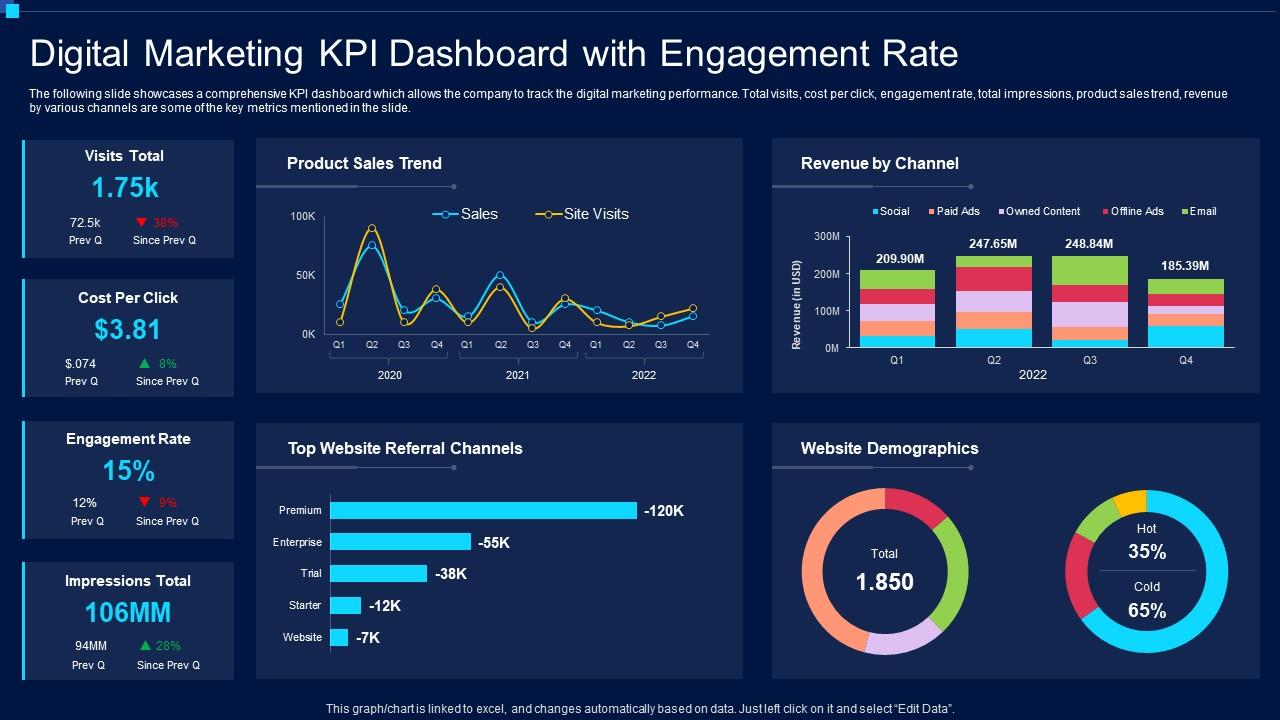
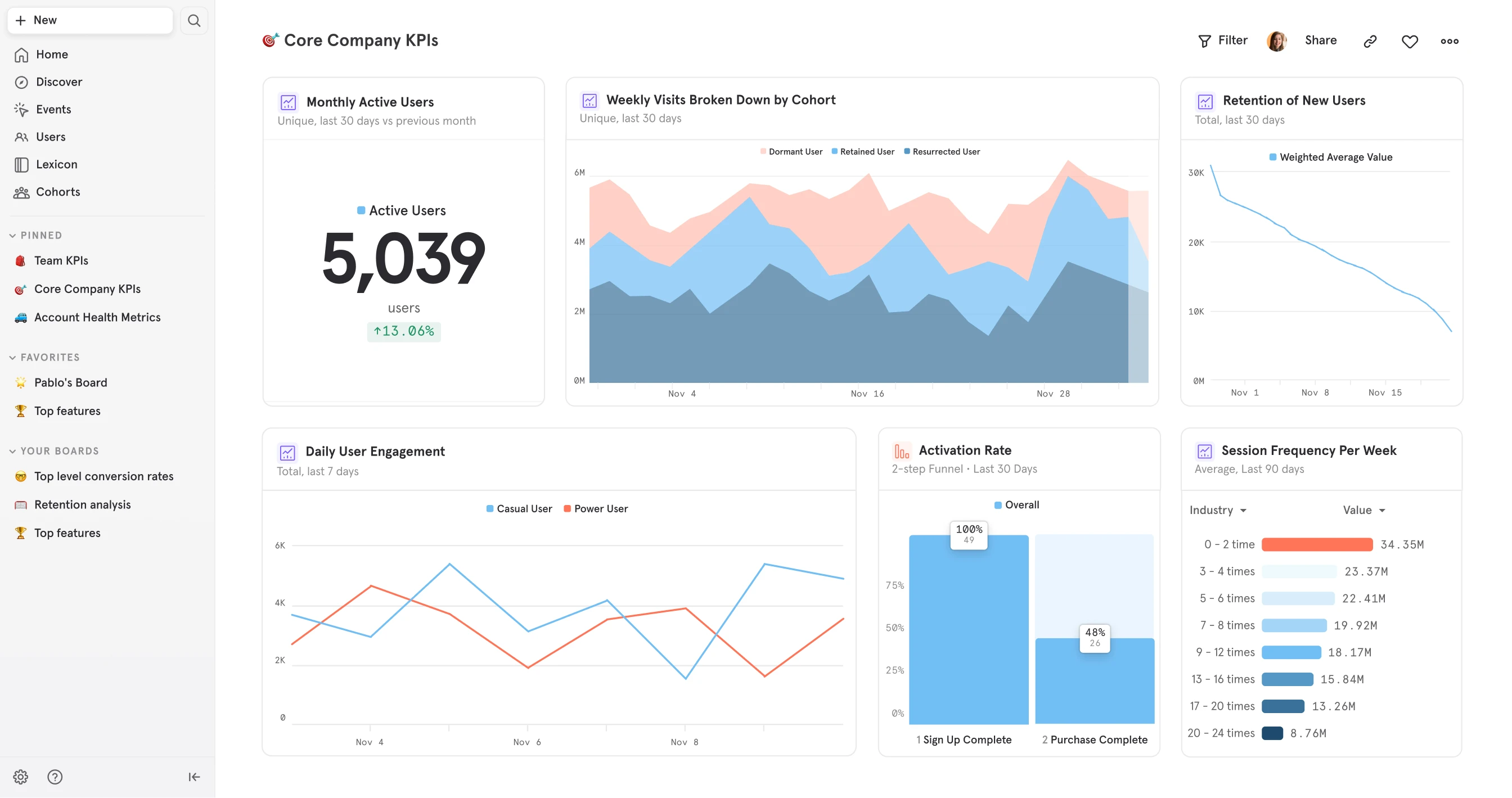
In modern digital platforms, system health dashboards serve as essential tools for maintaining operational stability and efficiency. These dashboards provide a centralized interface where real-time data about system performance, resource utilization, and potential anomalies can be monitored. By consolidating complex technical metrics into a visually digestible format, dashboards allow engineers, administrators, and stakeholders to quickly identify issues before they escalate, ensuring uninterrupted service delivery. The clarity and accessibility of information on a dashboard reduce cognitive load, enabling faster decision-making during critical situations.

System health dashboards often integrate multiple layers of monitoring, including infrastructure metrics, application performance, and network activity. Infrastructure monitoring tracks CPU usage, memory consumption, disk space, and server uptime, offering insight into the underlying hardware and virtualized environments. Application performance monitoring focuses on software responsiveness, error rates, and transaction latency, which are key indicators of user experience quality. Network monitoring observes data flow, bandwidth utilization, packet loss, and latency, providing a complete picture of communication health within the system. Combining these layers ensures a holistic understanding of system operations, highlighting interdependencies that might otherwise remain invisible.

Customization is a defining feature of effective dashboards. Organizations can tailor dashboards to emphasize the metrics most relevant to their operational priorities. For instance, e-commerce platforms might prioritize transaction success rates and payment gateway uptime, whereas streaming services may focus on content delivery latency and server response times. Custom dashboards allow teams to filter, sort, and visualize data in ways that match their workflow and strategic goals. Visualization options such as graphs, heatmaps, gauges, and alerts turn raw numbers into actionable insights, making patterns, trends, and anomalies immediately apparent.

Alerting mechanisms embedded within dashboards further enhance system reliability. When monitored parameters exceed predefined thresholds, the dashboard can trigger notifications via email, SMS, or collaboration tools. This proactive alerting system reduces the time between issue detection and resolution, preventing minor disruptions from becoming critical failures. Additionally, historical data logging allows teams to conduct trend analysis and root cause investigations. By examining performance over time, teams can identify recurring issues, predict future bottlenecks, and optimize system architecture proactively.

The integration of artificial intelligence and machine learning into dashboards has added a predictive dimension to system monitoring. AI-powered dashboards can detect anomalies, forecast performance degradation, and recommend remediation steps based on historical patterns. Predictive analytics help teams anticipate resource constraints or identify potential failures before they affect end users, supporting a proactive maintenance approach. Machine learning models can also adapt thresholds dynamically, adjusting alerts based on normal operational variations rather than rigid static limits, which minimizes false alarms and reduces alert fatigue for engineers.

Dashboards also play a critical role in cross-team communication and transparency. By offering a shared view of system health, they foster collaboration between development, operations, and business teams. Stakeholders can access a consistent source of truth regarding system status, reducing miscommunication and aligning priorities. For example, a development team can correlate deployment schedules with performance metrics, while the operations team can use the same dashboard to plan resource scaling. Executive dashboards may summarize high-level metrics such as uptime percentage, incident response time, and customer impact, allowing non-technical stakeholders to understand system health at a glance.

Security monitoring is another crucial aspect integrated into modern system health dashboards. Security-related metrics such as unauthorized access attempts, firewall activity, intrusion detection alerts, and vulnerability scans can be displayed alongside performance indicators. This integration enables teams to respond quickly to potential threats while maintaining operational oversight. Dashboards that merge performance and security data allow for contextual decision-making, as teams can assess whether an unusual spike in resource usage is a result of legitimate demand or a potential security breach.

User experience is significantly enhanced by dashboards that support interactivity and drill-down capabilities. Users can explore metrics at various granularities, from high-level summaries to individual server logs or transaction traces. Interactive elements such as filters, date selectors, and dynamic graphs empower users to tailor their view in real time, facilitating deeper analysis and more precise troubleshooting. The ability to drill down from aggregated metrics to specific incidents reduces the time spent hunting for the root cause and accelerates resolution, ultimately improving system resilience.

Moreover, modern dashboards emphasize accessibility and mobile responsiveness. With distributed teams and remote monitoring becoming increasingly common, dashboards accessible via web browsers or mobile devices ensure that system health can be tracked from anywhere at any time. Notifications and alerts delivered to mobile devices allow engineers to respond promptly, minimizing downtime and maintaining service continuity. Cloud-based dashboards further simplify deployment and scalability, enabling organizations to monitor multiple environments and geographies through a single interface.

Continuous improvement and iterative design are key principles in dashboard development. As systems evolve, dashboards must adapt to reflect new metrics, changing priorities, and emerging technologies. Regular feedback from users helps refine the dashboard layout, visualization choices, and alerting mechanisms. By prioritizing clarity, relevance, and usability, teams can ensure that dashboards remain a trusted tool for monitoring, diagnosing, and optimizing system health. Over time, dashboards become not just a reactive tool for incident management but a strategic instrument for capacity planning, operational excellence, and informed decision-making.

Ultimately, system health dashboards are more than a collection of charts and statistics—they are a vital component of operational strategy. By consolidating complex data, enabling proactive monitoring, facilitating communication, and supporting informed decision-making, dashboards strengthen an organization’s ability to maintain high performance and reliability. In fast-paced digital environments where downtime can translate into significant financial or reputational loss, the insights provided by well-designed dashboards are indispensable. Through ongoing refinement and integration with emerging technologies, system health dashboards will continue to evolve as a central pillar of resilient, high-performing digital operations.

Decision Friction Reduction

Reducing decision friction is a crucial element in designing experiences that feel effortless, intuitive, and satisfying. Every interaction a user has with a platform, service, or product involves choices—some small, some large—but each choice carries cognitive load. Decision friction occurs when the process of making these choices feels cumbersome, confusing, or mentally taxing, leading to hesitation, abandonment, or dissatisfaction. Minimizing this friction enhances not only efficiency but also engagement, trust, and overall user satisfaction.

One of the most effective strategies for reducing decision friction is clarity in information presentation. Users often encounter friction when they are confronted with ambiguous options, unclear labels, or inconsistent messaging. Providing concise, precise, and contextually relevant information helps users understand their choices quickly. This can involve labeling buttons with explicit actions rather than generic terms like “Click Here” or “Submit.” It can also include using progressive disclosure, where more complex information is revealed only when necessary, preventing overwhelming the user upfront. By presenting information in a digestible, structured manner, platforms allow users to act confidently without second-guessing their decisions.

Another key approach is limiting unnecessary options. While choice can empower, too many options often lead to decision paralysis. Studies in behavioral economics suggest that users presented with an overabundance of choices may feel stressed, indecisive, or prone to regret. By curating options based on relevance, frequency of use, or user preference, platforms reduce cognitive load. For instance, suggesting the most commonly selected options first, or using smart defaults, helps guide users toward optimal decisions without eliminating autonomy. The goal is to strike a balance between freedom and guidance, ensuring users feel in control while minimizing the effort required to make a choice.

Streamlining the interaction process itself also lowers decision friction. Steps that are redundant, repetitive, or unnecessarily complex can slow users down and increase frustration. Simplifying flows, combining related actions, and reducing the number of clicks required to reach a goal all contribute to a smoother experience. For example, pre-filling forms with known user data, offering autofill options, or enabling one-click actions allows users to complete tasks efficiently. When interactions are predictable and intuitive, users expend less mental energy, allowing them to focus on higher-level decision-making rather than the mechanics of execution.

Visual design and information hierarchy play an equally important role in reducing friction. Humans process visual cues faster than text alone, so employing clear layouts, consistent typography, and strategic use of color and contrast helps direct attention to relevant choices. Key actions should be prominently displayed, secondary options clearly differentiated, and potential consequences visually reinforced. This allows users to scan interfaces quickly and make informed decisions without unnecessary deliberation. Visual cues can also convey system states or feedback, reducing uncertainty and the mental burden of guessing what happens next.

Personalization is another powerful tool for mitigating decision friction. By leveraging past behavior, preferences, and contextual data, platforms can tailor experiences to individual users, presenting the most relevant options and minimizing irrelevant ones. Personalized recommendations, adaptive workflows, and context-aware prompts not only reduce the number of decisions a user must make but also enhance satisfaction by aligning options with user intent. When done transparently, personalization fosters trust and a sense of being understood, further smoothing the path to decision-making.

Reducing cognitive load through clear language and consistent terminology is equally vital. Technical jargon, ambiguous labels, or inconsistent phrasing can confuse users and slow their progress. Ensuring that language is simple, actionable, and aligned across the platform helps users internalize patterns and predict outcomes. When users understand the system’s rules and logic, they can make decisions faster and with greater confidence. Instructional microcopy, tooltips, and inline guidance can supplement this clarity without overwhelming the interface.

Feedback and error handling are integral to friction reduction as well. Users experience friction when outcomes are uncertain or when mistakes are difficult to correct. Providing immediate, understandable feedback after each action reassures users that their choices have been registered correctly. When errors occur, clear explanations and simple recovery options prevent frustration and reduce hesitation in future decisions. Allowing users to undo actions or offering confirmation prompts for critical choices balances safety with efficiency, maintaining momentum without introducing anxiety.

Automation and predictive assistance also contribute to smoother decision-making. Intelligent defaults, contextual suggestions, and proactive alerts reduce the number of choices a user must consider. By anticipating needs based on historical behavior or current context, platforms can surface the most likely next steps. This minimizes the mental load and allows users to act quickly, enhancing both speed and confidence. Automation should always be optional and transparent, ensuring that users retain control while benefiting from streamlined guidance.

Ultimately, the goal of reducing decision friction is to make interactions feel natural, effortless, and satisfying. It is not about removing choice or oversimplifying experiences but about designing environments where users can make informed, confident decisions with minimal cognitive strain. Every element of design—from information clarity and option curation to visual hierarchy, feedback mechanisms, and personalization—works in concert to achieve this goal. By carefully considering the user journey and identifying points of hesitation or confusion, platforms can systematically remove obstacles, guiding users toward successful outcomes with ease.

Minimizing decision friction also has broader implications beyond individual interactions. It encourages continued engagement, fosters trust in the platform, and supports long-term satisfaction. Users who experience seamless, low-friction decision-making are more likely to return, explore additional features, and adopt new behaviors. In contexts where choices carry significant consequences, such as financial, health, or safety-related platforms, reducing friction also promotes responsible and confident decision-making, mitigating risks associated with poor judgment or rushed actions.

In conclusion, reducing decision friction is a multifaceted endeavor that combines clarity, efficiency, guidance, and user-centric design. It requires thoughtful attention to how information is presented, how options are structured, and how interactions flow. It emphasizes predictability, responsiveness, and personalization, all while maintaining user autonomy and trust. Platforms that succeed in minimizing friction create experiences that feel effortless and intuitive, allowing users to focus on meaningful choices rather than wrestling with complexity. By prioritizing the removal of unnecessary cognitive burdens, designers not only enhance usability but also build stronger, more positive relationships with their users, ultimately supporting satisfaction, loyalty, and continued engagement.

Outcome Review Clarity

In the realm of digital platforms, ensuring clear and transparent communication about outcomes is a cornerstone of user trust and engagement. Outcome review clarity refers to the precise, understandable, and actionable presentation of results, decisions, or performance metrics to users or stakeholders. When outcomes are communicated effectively, users can make informed choices, evaluate their progress accurately, and maintain confidence in the platform or service. Conversely, unclear outcomes can lead to frustration, disengagement, or even suspicion of fairness, regardless of whether the results themselves are positive or negative.

One of the foundational principles behind outcome review clarity is simplicity in presentation. Complexity often obscures understanding, so distilling information into digestible, straightforward formats is essential. For example, numerical results should be accompanied by intuitive visualizations or contextual explanations that allow users to grasp trends and patterns quickly. Rather than merely showing a raw score, a platform can provide comparative benchmarks, historical data, or categorical interpretations that help users understand the significance of the outcome. This approach transforms abstract numbers into actionable insights, reducing cognitive load and enhancing user comprehension.

Timeliness is another critical factor. The effectiveness of outcome reviews diminishes if feedback is delayed or inconsistent. Immediate or near-real-time reporting allows users to connect their actions to consequences, reinforcing learning and encouraging more thoughtful engagement. Whether it is a financial transaction, a gaming result, or a progress update in a learning system, the sooner users can see and process outcomes, the more meaningful their experience becomes. Delayed feedback, by contrast, can cause confusion and disrupt the sense of causality, weakening trust in the platform’s integrity.

Consistency in the communication of outcomes also plays a pivotal role. Users should encounter a predictable structure, terminology, and level of detail each time they receive feedback. When formats or explanations fluctuate without rationale, it can lead to misunderstanding or the perception that the platform is unreliable. Consistent outcome review practices, including standard reporting formats and repeated clarity cues, reinforce user confidence and support a sense of fairness. This is particularly crucial in platforms where results carry significant weight, such as financial services, educational assessments, or competitive environments.

Clarity is not solely about visual or textual simplicity; it also involves transparency in methodology. Users are more likely to trust outcomes when they understand how results were generated. This might include a brief overview of algorithms, scoring rules, or evaluation criteria. While the full technical details may not be necessary for every user, a high-level explanation provides insight into the process and mitigates the perception of arbitrariness. Transparency bridges the gap between outcome delivery and user understanding, allowing individuals to accept and act on the results with confidence.

Contextual relevance further enhances the clarity of outcomes. Data without context can be ambiguous or misleading. For instance, a numerical score is far more informative when placed within a spectrum of possible results, historical trends, or peer comparisons. Context allows users to interpret the significance of outcomes accurately, fostering an informed perspective. It also supports decision-making by revealing patterns or insights that raw numbers alone cannot convey. A platform that prioritizes contextualized outcomes demonstrates attentiveness to user comprehension and reinforces trustworthiness.

The mode of communication is another element that influences outcome review clarity. Different users have different preferences and cognitive strengths, so offering multiple formats—such as dashboards, summaries, charts, or notifications—can accommodate diverse needs. Interactive features, like drill-down capabilities or explanatory pop-ups, empower users to explore results at their own pace, deepening understanding without overwhelming them. This flexibility respects individual learning and processing styles while maintaining the integrity of the information presented.

User engagement is often heightened when outcomes are actionable. Clear feedback should not only communicate what happened but also suggest potential next steps or implications. In performance-based platforms, guidance on improvement or strategy can transform a static outcome into a dynamic learning opportunity. Actionable clarity turns mere reporting into an empowering tool, enabling users to make adjustments, optimize performance, or adjust expectations based on the reviewed outcome.

Error handling and exception reporting are integral to maintaining outcome clarity. When discrepancies or unusual results occur, timely and comprehensible explanations prevent misinterpretation. Users should be informed of anomalies, their causes, and any corrective actions taken. This approach demonstrates accountability and preserves the platform’s credibility. Clarity in error reporting reassures users that the system is reliable, even when unexpected events occur, reinforcing overall confidence.

Inclusive language and accessibility considerations are also critical. Outcome reviews should be comprehensible to users with varying levels of expertise, language proficiency, or sensory abilities. Avoiding jargon, providing alternative text, and ensuring readability for diverse audiences ensures that clarity is universally achievable. Inclusive design principles ensure that all users, regardless of background or ability, can fully engage with the outcome information presented.

Finally, continuous feedback loops enhance clarity over time. Platforms that solicit user input on how outcomes are presented can identify areas of confusion and iteratively improve their communication strategies. By aligning the presentation of results with user expectations and comprehension patterns, platforms foster a responsive environment where clarity is maintained and reinforced. The iterative refinement of outcome reviews underscores a commitment to user-centric design and long-term engagement.

In conclusion, outcome review clarity is a multifaceted aspect of digital platforms that encompasses simplicity, timeliness, consistency, transparency, context, flexible communication, actionability, error reporting, accessibility, and iterative improvement. By prioritizing these elements, platforms can deliver outcomes that users not only understand but also trust and act upon confidently. The clarity of outcomes directly impacts user satisfaction, engagement, and loyalty, creating a foundation for sustainable, effective, and user-centered experiences. Clear outcomes transform interactions from mere transactions into meaningful, insightful exchanges, strengthening the relationship between users and the platform while ensuring informed decision-making and enduring confidence.

Player Insight Modeling

Understanding player behavior is a cornerstone of creating meaningful and engaging experiences in digital gaming, particularly within the realm of online casinos and mobile gaming platforms. Player insight modeling is a sophisticated approach that leverages data analytics, behavioral tracking, and predictive modeling to comprehend how players interact with games, what drives their engagement, and how their experiences can be optimized to balance enjoyment with responsible play. At its core, player insight modeling is about transforming raw behavioral data into actionable intelligence that informs game design, personalized experiences, and platform management.

To construct an effective player insight model, it is essential first to collect comprehensive behavioral data. This includes basic metrics like session duration, frequency of play, wager amounts, and preferred game types, but it also extends to more nuanced data points such as response times, feature utilization, patterns in bonus engagement, and even in-game decision-making strategies. By capturing a wide array of behaviors, platforms can establish a multidimensional profile for each player, going beyond superficial statistics to reveal deeper motivational patterns.

Once data collection is in place, the next step involves segmentation. Players are rarely homogenous; they vary in preferences, risk tolerance, play intensity, and responsiveness to rewards. By segmenting players into meaningful groups—casual vs. high-intensity players, thrill-seekers vs. strategic planners, or reward-driven vs. socially motivated users—platforms can tailor experiences that resonate with each group. Segmentation also enables targeted communication, personalized promotions, and adaptive difficulty balancing, all of which enhance player satisfaction while maintaining engagement.

Predictive modeling is a critical component of player insight. By analyzing historical behaviors, platforms can anticipate future actions, such as predicting which players are at risk of churn, which are likely to escalate their play, or which may respond positively to specific incentives. Techniques like machine learning algorithms, clustering, and regression analysis allow the modeling of complex behaviors that are not immediately obvious. For example, a model might detect that a player who frequently engages with progressive jackpots but shows long gaps between sessions could be receptive to limited-time bonus offers designed to re-engage them.

Equally important is understanding player psychology. Insights derived from behavioral data must be interpreted within the context of cognitive biases, decision-making heuristics, and emotional responses. Players may overestimate their chances of winning after a near-miss, or they might chase losses impulsively. Recognizing these tendencies enables platforms to design interventions that support responsible play. For instance, subtle nudges like session reminders, loss limits, or cooling-off periods can be informed by predictive models to encourage healthier behaviors without disrupting the overall entertainment value.

Data privacy and ethical considerations are fundamental when constructing player insight models. Players must be assured that their personal data is handled securely, anonymized where appropriate, and used solely to enhance their gaming experience. Transparency about data usage builds trust, and platforms that demonstrate a commitment to ethical analytics are more likely to maintain long-term engagement. Regulatory compliance also plays a critical role, as many jurisdictions require explicit consent and strict reporting standards for player data collection and usage.

Once insights are generated, they must inform practical design and operational decisions. Game developers can use modeling outcomes to adjust reward structures, create dynamic content tailored to different segments, or refine feature accessibility to match player preferences. Platform operators can leverage insights to optimize user flows, reduce friction points, and introduce personalized onboarding processes. Marketing teams can craft offers that align with predicted player needs and motivations, maximizing effectiveness while minimizing intrusive or irrelevant messaging.

Feedback loops are essential to ensure that player insight models remain accurate and relevant. Player behavior evolves over time, influenced by new game releases, seasonal trends, social dynamics, and even external life events. Continuous monitoring, validation, and recalibration of models help maintain predictive accuracy. By integrating real-time analytics, platforms can respond quickly to changes in player behavior, adjusting incentives, recommendations, or content delivery dynamically to sustain engagement.

Visualization tools and dashboards play a supportive role by making complex insights accessible to decision-makers across teams. Interactive dashboards can illustrate engagement patterns, churn risks, and the effectiveness of interventions, enabling data-driven decision-making. By translating complex predictive outputs into intuitive visual representations, stakeholders can grasp actionable trends without requiring deep technical expertise, ensuring that insights lead to tangible improvements in player experience.

Beyond enhancing engagement, player insight modeling supports responsible gaming initiatives. By identifying patterns associated with problematic behavior, platforms can proactively intervene with educational content, self-assessment tools, or personalized guidance. This dual focus on enjoyment and safety enhances brand reputation and fosters trust, as players recognize that the platform values their well-being alongside entertainment.

In the broader context, the benefits of player insight modeling extend to monetization and operational efficiency. By aligning game design, marketing, and retention strategies with actual player behavior, platforms can optimize revenue streams without resorting to exploitative practices. Reduced churn, improved player satisfaction, and higher lifetime value are natural outcomes of a system that understands and responds to player needs.

In conclusion, player insight modeling is an indispensable tool for modern gaming platforms seeking to harmonize engagement, personalization, and responsible play. By integrating detailed behavioral data, segmentation, predictive analytics, psychological understanding, and ethical considerations, platforms can craft experiences that are both compelling and safe. Continuous iteration and real-time responsiveness ensure that the insights remain actionable, allowing developers and operators to anticipate player needs, enhance satisfaction, and cultivate long-term loyalty. Far from being a mere analytical exercise, effective player insight modeling shapes the very foundation of user experience, turning data into meaningful, player-centric design decisions.

Interface Consistency Rules

Maintaining interface consistency is a cornerstone of user experience design, directly influencing how users perceive, navigate, and interact with a digital platform. Consistency in interface elements ensures that users can predict outcomes, reduce cognitive load, and develop confidence in using an application or website. When rules governing interface consistency are properly implemented, they foster a seamless experience where users feel in control, minimizing frustration and increasing overall satisfaction.

A consistent interface relies on uniformity across multiple aspects, including visual design, interaction patterns, terminology, and feedback mechanisms. Visual design consistency involves the use of a coherent color palette, typography, spacing, and iconography throughout the platform. By standardizing these visual elements, users can quickly recognize functional areas, understand the hierarchy of information, and navigate intuitively. For instance, buttons that perform similar actions should share size, color, and placement to avoid confusion. Icons should be immediately recognizable and used consistently for similar functions, so users don’t have to guess their meaning in different contexts.

Interaction patterns must also follow predictable rules. When users encounter familiar gestures, clicks, or navigation flows repeatedly, they can transfer learned behaviors across different sections of the platform. For example, if a swipe gesture consistently deletes an item in one part of an application, it should not perform a different action elsewhere. Predictable interactions not only enhance efficiency but also reduce errors caused by users accidentally invoking the wrong function. Rules for interaction consistency should be explicitly documented and adhered to, serving as a reference for designers and developers throughout the lifecycle of the platform.

Terminology and language consistency are equally important. Using the same terms to describe similar actions, features, or content prevents misunderstandings. For instance, if a platform labels a feature “Favorites” in one section, it should not label it “Bookmarks” in another. Uniform terminology supports clarity, ensures smooth communication, and helps users build a mental model of the system. The application of consistent language also extends to instructional text, error messages, and notifications, which should all maintain tone, style, and clarity to reinforce a cohesive experience.

Feedback mechanisms are another area where consistency rules play a vital role. Users rely on visual, auditory, and haptic feedback to understand the outcomes of their actions. Consistent feedback ensures that users can immediately recognize success, failure, or processing states without confusion. For example, if form submission errors are highlighted in red with an icon and tooltip in one section, the same style should be applied to errors throughout the platform. Similarly, loading indicators should behave uniformly across screens to set appropriate expectations for wait times. Inconsistent feedback can lead to misinterpretation of system behavior, eroding trust and confidence in the platform.

Layout consistency also contributes significantly to usability. Standardizing grid structures, content spacing, and alignment allows users to scan information efficiently. When elements are predictably placed, users develop spatial memory, reducing the time required to locate features and information. This is particularly crucial in complex applications with multiple functions and menus. Consistent layouts not only enhance aesthetic appeal but also support accessibility, making it easier for users with cognitive or visual impairments to navigate the interface without unnecessary effort.

Applying consistency rules requires a deliberate and systematic approach. Design systems, style guides, and component libraries serve as practical tools to enforce uniformity. They provide a centralized reference for colors, fonts, buttons, forms, and other UI elements, ensuring that teams maintain coherence even as the platform evolves. A design system also facilitates collaboration between designers and developers, reducing discrepancies and preventing the proliferation of ad hoc solutions that compromise consistency.

Testing and evaluation are critical in maintaining interface consistency. Usability testing with real users can reveal inconsistencies that may have been overlooked during design. Heuristic evaluations can assess adherence to consistency principles, identifying deviations that could confuse users. Regular audits of the interface help maintain uniformity as new features are added or existing ones are modified. Continuous monitoring ensures that consistency rules are not only established but actively upheld, supporting long-term user satisfaction.

Consistency in interface design also positively impacts user confidence. When users encounter predictable patterns, familiar terminology, and reliable feedback, they develop trust in the platform. This trust encourages engagement, reduces hesitation, and fosters a sense of competence. Users are more likely to explore advanced features, make decisions quickly, and achieve their goals without external assistance. Conversely, inconsistencies disrupt this flow, causing uncertainty, errors, and frustration, which can diminish overall engagement and loyalty.

Moreover, interface consistency supports brand identity. A coherent visual and interaction style across the platform reinforces brand recognition and strengthens the emotional connection users have with the product. Consistency in branding elements such as logos, colors, and tone contributes to a unified experience that aligns with user expectations. It signals professionalism, attention to detail, and a commitment to quality, all of which enhance the perception of the platform.

Adhering to interface consistency rules is not about stifling creativity but about providing a stable framework within which innovation can thrive. Designers can introduce novel features, aesthetics, or interaction patterns, provided they align with established rules or thoughtfully extend them. By maintaining a balance between standardization and creativity, platforms can deliver engaging experiences without sacrificing predictability or usability.

In conclusion, interface consistency rules are essential for creating intuitive, efficient, and satisfying user experiences. They govern visual design, interaction patterns, terminology, feedback, layout, and brand elements, providing a coherent framework that guides both users and design teams. Through systematic application of these rules, supported by design systems, testing, and audits, platforms can reduce user confusion, increase confidence, and enhance overall engagement. Consistency is not merely an aesthetic concern; it is a fundamental principle that underpins usability, accessibility, trust, and brand integrity, ultimately shaping the success of a digital experience.

Session Reentry Flow

In modern digital platforms, ensuring a seamless session reentry flow is essential for maintaining user engagement and trust. Users frequently navigate away from applications or experience interruptions due to network issues, device changes, or deliberate logouts. Without a well-designed reentry process, these interruptions can result in frustration, abandonment, and a loss of confidence in the platform. A carefully orchestrated session reentry flow allows users to resume activities efficiently, preserving continuity while safeguarding data integrity and security.

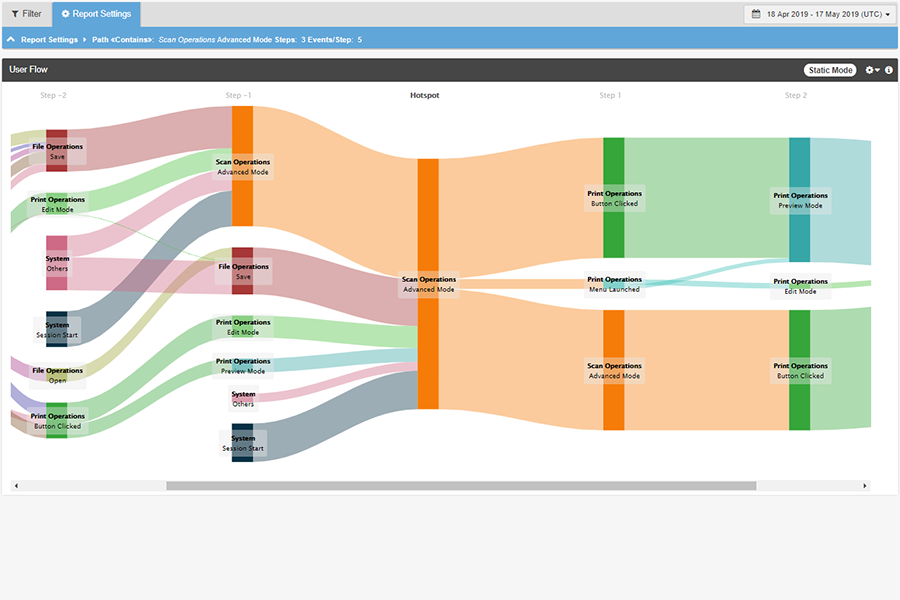
One fundamental aspect of session reentry flow is recognizing the user’s previous state. This requires systems to track and store the session context accurately, including the specific page, workflow step, or task a user was performing. When users return, they should be presented with an interface that reflects this prior state, minimizing the need for retracing steps. For instance, in a multi-step transaction or form, the system should highlight completed sections and direct the user to the exact point of interruption. This kind of continuity reinforces a sense of reliability, signaling that the platform respects the user’s time and effort.

Authentication is another critical component. Platforms must balance security with ease of access, ensuring that returning users are correctly verified without introducing cumbersome barriers. Implementing secure token-based authentication or single sign-on mechanisms can enable users to resume sessions quickly while maintaining robust security. For platforms handling sensitive data, additional verification layers, such as two-factor authentication or biometric checks, can be selectively applied to maintain trust without overcomplicating the reentry process.

Error handling plays a significant role in the reentry experience. Users often encounter disruptions due to connectivity lapses, server errors, or application crashes. Designing for resilience involves creating systems that detect these interruptions, log them appropriately, and offer users clear guidance on how to resume. Informative, context-aware messages are more effective than generic error alerts, as they provide reassurance and actionable next steps. By anticipating possible interruptions, platforms can preempt frustration, turning a potentially negative encounter into a smooth recovery.

Data persistence underpins effective session reentry. Platforms must ensure that user-generated content, selections, and progress are saved in real time or at regular checkpoints. This is particularly important for environments with high interaction complexity, such as e-commerce platforms, collaborative tools, or financial applications. Users who can return and find their input intact are far more likely to perceive the platform as dependable. Techniques such as local caching, cloud synchronization, and database snapshots can all contribute to maintaining session continuity across devices and network conditions.

User interface design also contributes to a frictionless reentry experience. Visual cues such as progress indicators, highlights of recently accessed sections, or prompts summarizing prior actions can orient users immediately upon return. Subtle animations or notifications can guide attention without overwhelming, helping users pick up seamlessly from where they left off. The interface should also allow flexibility, providing options to restart, review, or continue, depending on user preference. A one-size-fits-all approach is less effective than offering adaptive pathways that reflect different user behaviors and expectations.

Personalization enhances session reentry by aligning the experience with individual preferences and habits. By learning from user behavior, platforms can preemptively load relevant content, restore prior configurations, and suggest logical next steps. This creates a sense of familiarity and control, reducing cognitive load and reinforcing engagement. Personalization must be carefully balanced with privacy considerations, ensuring that stored session data is handled transparently and in compliance with data protection regulations.

Latency and performance considerations are integral to session reentry. Slow or inconsistent responses can erode trust, even if the underlying functionality is solid. Optimizing data retrieval, leveraging efficient caching strategies, and minimizing heavy resource loads during reentry can significantly enhance perceived responsiveness. Users tend to associate speed and smooth transitions with reliability, making performance a key factor in the overall satisfaction of returning to a session.

Testing and monitoring of session reentry flows are essential to ensure consistent quality. Platforms should simulate various interruption scenarios, such as abrupt network loss, device switching, or prolonged inactivity, to verify that users can resume without data loss or confusion. Continuous monitoring and analytics can identify patterns where reentry fails or leads to abandonment, enabling proactive improvements. Feedback loops, including user reporting mechanisms, provide additional insight into real-world challenges and preferences.

Finally, communication strategies around session continuity influence user perception. Clear messaging about automatic saving, restoration of progress, and security protocols builds confidence. Users are more likely to tolerate minor interruptions if they understand that their work is protected and that resuming will be straightforward. Educating users through onboarding tutorials or contextual prompts about session persistence features can reduce uncertainty and encourage exploration without fear of losing progress.

In conclusion, an effective session reentry flow is a combination of technical resilience, thoughtful interface design, performance optimization, and transparent communication. By prioritizing continuity, security, and user-centered guidance, platforms can transform interruptions from disruptive events into seamless transitions. This not only preserves engagement and satisfaction but also strengthens trust, positioning the platform as reliable and attentive to user needs. When executed correctly, session reentry flow becomes an invisible yet critical element of the overall user experience, ensuring that every return is as smooth and reassuring as the initial entry.

Trust Measurement Framework

Measuring trust in any system, especially in digital platforms, is a complex but essential task. Trust is inherently intangible, influenced by multiple factors including perceived reliability, transparency, security, and user experience. Establishing a trust measurement framework requires a structured approach that integrates both qualitative and quantitative data to assess how users perceive and interact with a platform. At its core, trust can be divided into several dimensions: reliability, integrity, competence, transparency, and empathy. Each dimension contributes to the overall perception of trustworthiness, and measuring them requires different methods and metrics.

Reliability refers to the consistency and dependability of a system or service. Users must feel confident that the platform will perform as expected without failures or unexpected behavior. Metrics for reliability can include uptime statistics, error rates, response times, and incident resolution efficiency. A reliable platform builds confidence by ensuring that users’ expectations are met consistently. Monitoring these metrics over time allows organizations to identify patterns, predict potential issues, and take preventive action to maintain user trust. Reliability is often the foundation of trust; without it, other trust-building measures may be less effective.

Integrity involves the ethical and moral standards of the organization managing the system. Users are more likely to trust a platform when they believe it operates fairly, protects their data, and adheres to established rules and regulations. Measuring integrity can involve tracking compliance with industry standards, user privacy adherence, data protection protocols, and feedback on perceived fairness. Surveys and sentiment analysis can capture user perceptions of integrity, while audits and third-party certifications provide objective evidence. Integrity not only enhances trust directly but also reinforces perceptions of reliability and transparency.

Competence reflects the ability of a platform or organization to fulfill its promises and meet user needs effectively. Users assess competence based on the quality of service, accuracy of information, and performance outcomes. Key performance indicators for competence may include the speed and accuracy of support responses, system functionality, feature completeness, and success rates in completing user tasks. Competence is closely linked with reliability; even if a system is technically reliable, it must also be capable of delivering value to the user. Measuring competence often involves combining operational metrics with user satisfaction scores, as these together provide a holistic view of performance.

Transparency refers to the clarity and openness with which information is shared with users. Platforms that communicate policies, decisions, and system behaviors openly are more likely to earn trust. Measuring transparency can be done by assessing the availability and clarity of information such as terms of service, privacy policies, and operational notifications. User surveys can capture perceptions of how transparent the platform is in its actions and communications. Transparency also includes responsiveness to inquiries and explanations of incidents or outages. A transparent system enables users to make informed decisions and reduces uncertainty, which is a key driver of trust.

Empathy involves recognizing and addressing user needs and concerns. A platform that demonstrates understanding and responsiveness fosters emotional trust, which complements cognitive trust derived from reliability and competence. Empathy can be measured through user feedback, complaint resolution effectiveness, personalization of services, and responsiveness to accessibility or support needs. Platforms that actively listen to user concerns and adapt services accordingly show that they value their users, which strengthens the overall trust relationship.

Implementing a trust measurement framework requires integrating these dimensions into a structured model. One effective approach is to use a multi-layered framework combining objective metrics with subjective user perceptions. Objective metrics include system uptime, error rates, compliance records, and response times, which provide concrete evidence of reliability, integrity, and competence. Subjective metrics, on the other hand, rely on user feedback through surveys, interviews, ratings, and sentiment analysis to capture perceptions of trustworthiness, transparency, and empathy. Combining both types of data allows organizations to understand both the actual performance and the perceived experience, which together influence trust.

The framework should also include a method for weighting and scoring each dimension to generate an overall trust score. Not all dimensions carry equal importance in every context; for example, in financial platforms, integrity and security may weigh more heavily, while in social platforms, empathy and transparency may be prioritized. Assigning weights based on context and stakeholder priorities ensures that the measurement reflects the aspects of trust most relevant to users. Over time, tracking changes in these scores can help organizations identify trends, benchmark against competitors, and evaluate the effectiveness of trust-building initiatives.

Visualization and reporting are key components of a trust measurement framework. Dashboards and reports that present trust scores, trends, and dimension breakdowns enable decision-makers to quickly understand strengths and weaknesses. They also provide a means of communicating trust performance to stakeholders, which further reinforces transparency. Additionally, advanced analytics can uncover correlations between trust metrics and business outcomes, such as user retention, engagement, or conversion rates, providing actionable insights for improvement.

Finally, a trust measurement framework should be iterative. Trust is dynamic, influenced by changing user expectations, technological developments, and external events. Regular review and refinement of metrics, survey instruments, and data collection methods ensure that the framework remains relevant and effective. Continuous feedback loops allow organizations to respond proactively to emerging trust challenges and adjust strategies to maintain or enhance trust over time. By systematically measuring, monitoring, and managing trust, organizations can foster stronger relationships with users, improve satisfaction, and sustain long-term engagement and loyalty.

This structured approach ensures that trust is not treated as an abstract concept but as a measurable, manageable aspect of platform performance, providing both operational and strategic guidance for organizations seeking to earn and maintain user confidence.

Session Exit Design

Designing user interactions with careful attention to session exit is a critical aspect of creating a seamless and user-centered digital experience. The way a session concludes can significantly influence how users perceive the overall platform, their willingness to return, and their understanding of their own actions within the system. A well-thought-out session exit design ensures clarity, maintains user trust, and fosters a sense of control, while a poorly executed exit can create confusion, frustration, or even unintended consequences.

Session exit design starts with understanding user intent. Users leave sessions for various reasons: completing a task, needing a break, encountering frustration, or switching to another platform. Recognizing these motivations allows designers to create exit strategies that feel natural and supportive rather than abrupt. For instance, if a user has been actively engaging with content or a service, the system should acknowledge completion or progress before concluding the session. This can be done through summary screens, notifications of saved progress, or gentle prompts indicating that the session is ending. By framing the exit as a continuation of the user journey rather than an abrupt stop, the experience maintains coherence and reassurance.

Another key principle is transparency. Users should always understand the consequences of ending a session. Whether it involves saving work, closing an interactive experience, or terminating a game, the platform must clearly communicate what will happen if the session ends. Ambiguity in this regard can lead to anxiety or mistrust, especially in contexts where data or effort might be lost. Implementing clear confirmations, informative messaging, and visible status indicators helps users make informed decisions. For example, a confirmation dialogue that specifies, “Your progress has been saved, and you can resume later,” provides both clarity and peace of mind, reinforcing the perception of a reliable and thoughtful platform.

Consistency is another fundamental aspect of effective session exit design. Users develop mental models based on previous interactions, and predictable exit behaviors align with those expectations. If a platform behaves inconsistently—sometimes saving automatically, sometimes discarding progress, or showing different exit flows for similar tasks—users may experience cognitive dissonance and frustration. Consistency can be reinforced through standardized visual cues, uniform exit prompts, and familiar navigation patterns. Over time, these consistent signals create an intuitive experience where users feel confident that ending a session will behave as anticipated, which is essential for user satisfaction and retention.

Session exit design should also accommodate flexibility and control. Users vary in their approach to digital experiences; some prefer explicit closure, while others appreciate automatic session termination after inactivity. Designing with these preferences in mind allows for multiple exit pathways. Providing options such as “Save and exit,” “Exit without saving,” or “Return later” empowers users to choose the path that aligns with their intentions. Moreover, incorporating adaptive elements, such as auto-saving features, background progress tracking, or reminders, can reduce the cognitive load on users and mitigate potential errors, all while respecting individual preferences and enhancing the feeling of agency.

Emotional impact is a subtle but important consideration in session exit design. How a user leaves a session can affect their emotional state and their perception of the platform. Positive reinforcement, such as congratulatory messages, progress milestones, or gentle reminders of future opportunities, can create a sense of accomplishment and encourage return visits. Conversely, abrupt or unclear exits can generate stress, disappointment, or a sense of incompleteness. Incorporating empathetic messaging, friendly tone, and thoughtful design elements, such as visually calming transitions or encouraging language, can enhance the emotional quality of the session exit, contributing to a more holistic and enjoyable user experience.

Accessibility is also central to effective session exit design. Users with varying abilities must be able to understand and interact with exit mechanisms without confusion. This includes ensuring that visual cues are clear, interactive elements are properly labeled, and screen readers or other assistive technologies can accurately convey exit options. Designing for accessibility not only broadens the platform’s user base but also signals inclusivity and consideration, which strengthens trust and long-term engagement.

Additionally, session exit design benefits from integrating feedback mechanisms. After a session ends, brief opportunities to provide input, rate the experience, or report issues can inform ongoing improvements. These feedback loops should be optional, non-intrusive, and concise, ensuring that users do not feel burdened at the moment of departure. Collecting insights in this manner allows designers to identify friction points, validate exit flows, and enhance the platform iteratively, creating a more refined and user-friendly environment over time.

Data integrity and security play a pivotal role in shaping session exit experiences. Users need assurance that their information, whether personal data, financial details, or progress, is handled securely when a session concludes. Automatic logouts, encrypted storage, and clear messaging about data handling reinforce user confidence and prevent potential anxieties associated with leaving a platform. Transparent security practices not only protect users but also elevate the platform’s credibility, making the exit process a trust-building moment rather than a source of concern.

Finally, session exit design should be viewed as part of a broader user journey. Exits are not isolated endpoints; they influence re-engagement, retention, and the perception of the entire platform. Thoughtful design integrates exits with reminders, follow-up notifications, or personalized messaging that acknowledges the user’s journey and encourages continuity. By aligning session exit strategies with overall user goals and experiences, designers can transform what might otherwise be a mundane interaction into a meaningful and reinforcing touchpoint that supports loyalty, satisfaction, and ongoing engagement.

In conclusion, session exit design is a multifaceted aspect of user experience that demands attention to clarity, consistency, control, emotional impact, accessibility, feedback, and security. By centering user intentions and experiences, platforms can ensure that the act of leaving is smooth, informative, and supportive. A well-crafted exit flow not only preserves the integrity of user interactions but also strengthens trust, encourages return visits, and enhances the overall perception of the platform. It turns what could be a simple termination into a purposeful, user-centered moment that completes the session while laying the groundwork for future engagement. Thoughtful session exit design is, therefore, an essential component of any platform seeking to deliver meaningful, seamless, and trustworthy experiences.

Trust Longevity Planning

Building and maintaining trust over the long term requires a deliberate approach that encompasses transparency, consistency, and proactive engagement. Trust is not a static attribute; it is cultivated and reinforced over time through repeated actions that align with communicated values and promises. Organizations and individuals alike must recognize that trust longevity depends on sustained behavior, credibility, and the ability to adapt to evolving expectations without compromising core principles.

A fundamental pillar of long-term trust is transparency. Being open about intentions, processes, and decisions fosters a sense of reliability. When stakeholders—whether they are clients, employees, or partners—have access to clear and accurate information, they are better equipped to understand decisions and anticipate outcomes. Transparency is not just about disclosing successes but also about acknowledging challenges and setbacks. By communicating obstacles honestly and outlining the steps taken to address them, organizations signal accountability, which strengthens confidence over time.

Consistency is equally crucial in trust longevity. Stakeholders gauge trustworthiness based on patterns of behavior rather than isolated incidents. Delivering on promises, meeting deadlines, and maintaining high-quality standards contribute to a reliable reputation. Inconsistent actions, even if unintentional, can erode trust faster than the time it took to build it. Therefore, embedding consistent practices into organizational culture and personal routines ensures that trust is reinforced through predictable and dependable behavior.

Another essential aspect is proactive engagement. Sustaining trust requires ongoing communication and relationship nurturing. Waiting until problems arise to communicate or address concerns often results in reactive measures that may appear insincere. Proactively seeking feedback, clarifying expectations, and involving stakeholders in decision-making demonstrates a commitment to collaboration and mutual respect. Such engagement not only reinforces trust but also helps identify potential areas of concern before they escalate.

Adaptability is a subtle yet critical component of trust longevity. Environments, markets, and social expectations change, and the ability to navigate these shifts while maintaining core values strengthens credibility. Stakeholders trust entities that demonstrate foresight and responsiveness without compromising principles. For example, a company that adjusts its policies to meet evolving privacy standards shows both responsibility and a commitment to safeguarding stakeholder interests. Adaptability, when balanced with integrity, signals resilience and reliability, key factors in sustaining trust over extended periods.

Ethical behavior underpins all long-term trust strategies. Adhering to ethical principles and social responsibilities communicates that decisions are guided by fairness and respect rather than expedience. Ethical lapses, even minor, can create disproportionate damage to trust because they signal potential vulnerabilities in judgment and values. Conversely, consistent ethical conduct, particularly in challenging situations, cements a reputation for principled action. Trust built on ethical foundations tends to be more durable and resistant to short-term pressures.

Credibility is reinforced through competence. Demonstrating expertise, skill, and informed decision-making instills confidence among stakeholders. People are more likely to trust those who consistently show that they can deliver results and navigate complex situations effectively. Competence must be paired with humility, acknowledging limitations and seeking input when necessary. This balance ensures that trust is not misplaced due to overconfidence and that decisions remain grounded in reality.

Monitoring and evaluating trust levels over time is a practical approach to longevity planning. Regular assessments, whether through surveys, feedback mechanisms, or performance reviews, provide insights into how trust is perceived and maintained. Identifying gaps early allows for corrective action and demonstrates a commitment to continuous improvement. A systematic approach to measuring trust ensures that it does not erode unnoticed and that strategies can be refined to meet changing needs and expectations.

Crisis management is another critical dimension. Trust is often tested under pressure, and how an organization or individual responds to unexpected challenges can significantly influence long-term perception. Effective crisis management involves transparency, rapid communication, and decisive action. A well-managed crisis not only mitigates immediate damage but can also reinforce trust by showcasing competence, accountability, and resilience. Conversely, mishandling crises can create lasting skepticism and diminish credibility.

Building trust longevity also requires recognizing the human element. Emotional intelligence, empathy, and understanding the perspectives of others are essential in creating meaningful connections. Trust is not solely a function of rational assessment; it is also shaped by emotional resonance. Demonstrating genuine care for the needs and concerns of stakeholders reinforces relational bonds and encourages loyalty. Empathetic engagement ensures that trust extends beyond transactional interactions to form deeper, enduring relationships.

Finally, documenting and institutionalizing trust-building practices enhances sustainability. Establishing policies, standards, and guidelines for behavior, communication, and decision-making ensures that trust-oriented practices are embedded across an organization or community. Institutional memory safeguards against reliance on individual efforts alone, ensuring continuity even as personnel or circumstances change. By formalizing trust principles, entities can create a culture where long-term credibility and reliability are systematically nurtured and protected.

In conclusion, planning for trust longevity is a multidimensional effort requiring transparency, consistency, proactive engagement, adaptability, ethical conduct, competence, and emotional intelligence. It demands deliberate monitoring, crisis readiness, and institutionalization of practices that sustain credibility over time. Trust that is carefully cultivated through these interconnected strategies is resilient, enduring, and capable of supporting long-term relationships, organizational success, and community confidence. By prioritizing these principles, individuals and organizations can navigate uncertainty and change without compromising the foundational trust that underpins enduring success.

Trust Experience Integrity

Trust is a cornerstone of any meaningful interaction, whether between individuals, institutions, or digital platforms. In the realm of digital experiences, especially where financial transactions or personal data are involved, the perception of trustworthiness directly influences engagement, loyalty, and long-term success. Users seek platforms that not only promise security but also consistently demonstrate integrity through transparent practices, reliable performance, and clear communication. Trust, therefore, is not just a feeling—it is the cumulative result of experiences that reinforce confidence in the system and its operators.

A critical aspect of building trust is the alignment of user expectations with actual experiences. When users interact with a platform, they develop mental models of how the system operates, what outcomes are possible, and what safeguards are in place. If these expectations are met or exceeded, trust deepens; if they are repeatedly broken, trust erodes quickly. Therefore, platforms must prioritize predictability and consistency in all interactions. Features that behave as expected, interfaces that are intuitive, and processes that are transparent all contribute to a user’s sense of security and confidence.

Transparency is another essential element. Users want to understand not only what the platform does but also why and how it does it. This includes clear communication about data handling, security protocols, and decision-making processes. For example, when a digital service collects personal information, providing users with easily accessible explanations of how the data will be used, stored, and protected enhances trust. Transparency also involves honesty about limitations and potential risks. Platforms that openly acknowledge potential issues and outline mitigation strategies signal integrity, whereas platforms that obscure or downplay such information risk user skepticism and disengagement.

Integrity extends beyond transparency to the reliability and ethical conduct of the platform. Integrity is demonstrated when the system consistently honors commitments, maintains fairness, and safeguards users’ interests. This can manifest in several ways: ensuring fair outcomes in transactional or gamified environments, protecting users against fraudulent activity, and enforcing policies impartially. When users perceive that a platform acts with integrity, they feel that their interactions are valued and safeguarded, reinforcing their willingness to engage and recommend the service. Conversely, any indication of manipulation, bias, or unfair treatment can irreparably damage trust, even if technical security measures are robust.

A robust user trust experience also relies on technical dependability. System stability, fast response times, minimal downtime, and error-free operations are practical indicators that a platform can be relied upon. Users often judge trustworthiness not only by promises but by observable performance. Frequent crashes, delayed updates, or unpredictable behavior signal unreliability and can undermine perceptions of integrity. Therefore, consistent operational excellence is as critical as ethical behavior in cultivating user trust.

Another dimension is the management of expectations during error recovery. No platform is infallible, and users recognize that. What differentiates trustworthy platforms is how they respond to mistakes. Rapid acknowledgment of issues, clear explanations, proactive solutions, and compensation where appropriate all reinforce the perception of a responsible and accountable system. In contrast, opaque handling of errors, shifting blame, or failing to provide remedial measures signals a lack of integrity and erodes confidence. Users tend to remember these recovery experiences as much as, if not more than, ordinary interactions, making them pivotal in shaping overall trust.

Communication and feedback mechanisms also play a vital role. Platforms that provide users with multiple channels to ask questions, report issues, and offer suggestions demonstrate respect for user agency. When feedback is acknowledged and acted upon, users perceive that their input matters, reinforcing trust. This interaction loop—listening, responding, and improving—is essential for sustaining confidence, as it reflects an ongoing commitment to integrity rather than a static claim.

Trust and integrity are further reinforced by adherence to external standards and third-party validation. Certifications, compliance with regulatory frameworks, and independent audits provide external confirmation of a platform’s reliability and ethical conduct. While users may not always inspect the details, the presence of recognized endorsements signals a commitment to accountability and builds confidence. In addition, visible indicators such as verified profiles, encrypted communications, and transparent policies signal proactive measures that safeguard user interests.

Finally, the emotional dimension of trust cannot be overlooked. Users respond not only to facts and features but also to the tone and demeanor of interactions. Respectful, empathetic, and human-centered communication fosters a sense of safety and connection. Platforms that treat users as valued participants rather than mere data points or revenue sources cultivate a deeper and more resilient trust. This emotional resonance, combined with transparent operations and reliable performance, creates a holistic trust experience that encourages sustained engagement.

In conclusion, trust is the product of consistent integrity, transparency, and performance excellence. A platform that demonstrates ethical behavior, protects user interests, communicates openly, and responds responsibly to challenges establishes a foundation of confidence. By attending to both the technical and human dimensions of interactions, organizations can create experiences where users feel secure, respected, and confident in the system. This comprehensive approach not only enhances immediate satisfaction but also strengthens long-term loyalty and engagement, highlighting the inextricable link between trust, experience, and integrity.

Trust Governance Visibility

Trust governance in any system, especially in digital platforms or organizations that handle sensitive information, is a crucial aspect of establishing reliability, transparency, and accountability. At its core, trust governance refers to the frameworks, policies, and practices that ensure stakeholders—users, partners, regulators, and the broader public—can have confidence that operations are conducted ethically, securely, and in accordance with stated commitments. When trust governance is made visible, it strengthens the perception of integrity and promotes user confidence, encouraging sustained engagement and positive reputational outcomes.

One of the foundational components of trust governance visibility is transparency. Organizations that openly share their operational procedures, compliance measures, and decision-making processes provide stakeholders with a clear understanding of how outcomes are determined. This transparency can be achieved through detailed documentation, regular reporting, and user-friendly dashboards that display metrics such as compliance rates, audit results, and risk assessments. By offering this visibility, platforms reduce uncertainty, allowing users to make informed choices and fostering a sense of safety. Transparency does not mean exposing sensitive data recklessly; rather, it focuses on sharing relevant insights in a manner that enhances accountability without compromising security.

Accountability mechanisms form another essential element of effective trust governance. When organizations implement clearly defined roles, responsibilities, and escalation procedures, they create a structure where actions can be traced and evaluated. Visibility in governance is enhanced when these mechanisms are communicated effectively, for instance through organizational charts, governance committees, or independent oversight boards. Users and stakeholders can see not only who is responsible for what, but also the processes in place to address failures or breaches. This level of visibility reassures participants that deviations from standards will be identified, addressed, and corrected, reinforcing the perception of reliability.

Equally important is the role of auditability in trust governance. Systems that are designed to be auditable allow external parties—regulators, independent auditors, or even informed users—to verify that operations conform to established rules and ethical standards. Audit trails, activity logs, and verifiable records contribute to governance visibility by providing evidence of compliance, operational integrity, and the effectiveness of internal controls. When stakeholders can access such information, either directly or through summarized reporting, they develop confidence in the system’s reliability and fairness. This auditability is particularly critical in environments where sensitive transactions occur, such as financial services, healthcare platforms, or digital marketplaces, where the consequences of errors or fraud can be significant.

Communication also plays a pivotal role in making trust governance visible. Merely having robust policies is insufficient if users and stakeholders are unaware of them. Effective communication strategies involve clear, consistent messaging about governance policies, security measures, and risk mitigation strategies. These messages should be accessible and comprehensible, avoiding technical jargon when possible to ensure broader understanding. Tools such as regular newsletters, public dashboards, FAQ sections, and real-time notifications about updates or incidents can significantly enhance visibility. When users understand the governance structures that protect them and ensure fairness, trust is naturally reinforced.

In addition to communication, cultural reinforcement within the organization supports visible governance. Embedding trust-oriented behaviors and values into daily operations ensures that governance is not just a formal requirement but an observable reality. Employees who are trained and empowered to adhere to ethical guidelines, report anomalies, and participate in continuous improvement initiatives contribute to an environment where trust is demonstrable. Organizational culture amplifies governance visibility when stakeholders notice consistent ethical behavior and proactive risk management across different touchpoints. This cultural dimension is often subtle but highly influential, as repeated, observable actions communicate integrity more effectively than formal statements alone.

Technology can further enhance trust governance visibility. Platforms that incorporate real-time monitoring, automated compliance checks, and AI-driven anomaly detection can present data in transparent and accessible ways. Visualization tools can transform complex metrics into digestible formats, enabling users and auditors to track performance and compliance effectively. Blockchain technology, for instance, offers immutable ledgers that provide verifiable records of transactions and governance actions. Such technological approaches make governance not only operationally effective but also perceptibly trustworthy, bridging the gap between internal policies and external perception.

Another critical aspect is stakeholder engagement. Trust governance visibility is heightened when users, partners, and regulators are invited to participate in governance processes or feedback loops. Open consultation, advisory panels, and community forums create opportunities for external perspectives to influence decision-making. Engaging stakeholders in governance not only ensures that policies align with user expectations but also signals that the organization values accountability and inclusivity. When stakeholders can see that their input shapes practices and policies, trust is strengthened, and the organization’s commitment to transparency becomes more tangible.

Risk management and incident reporting are integral to visible trust governance. No system is immune to risks, but how risks are anticipated, mitigated, and communicated reflects the robustness of governance. Platforms that maintain clear protocols for incident detection, escalation, and resolution—and openly report on these—demonstrate that they prioritize accountability. Transparency in how incidents are handled, including timelines, responsible parties, and corrective actions, enhances credibility and reassures stakeholders that issues are neither hidden nor ignored. This approach signals reliability and fosters a perception of proactive, rather than reactive, governance.

Finally, continuous improvement mechanisms underpin trust governance visibility. Organizations that commit to regular evaluation, policy updates, and adaptation to emerging risks convey that governance is an active, evolving process rather than a static checkbox. Publicly sharing updates, lessons learned, and enhancements in governance frameworks strengthens stakeholder confidence and illustrates a commitment to excellence. Visibility in this context is not just about current practices but also about demonstrating a forward-looking approach that continuously prioritizes ethical operations and accountability.

In summary, trust governance visibility is achieved through a combination of transparency, accountability, auditability, effective communication, cultural reinforcement, technological support, stakeholder engagement, risk management, and continuous improvement. Each element contributes to a system where policies and practices are not only well-defined but also observable and verifiable by those they affect. By making governance visible, organizations bridge the gap between internal operational integrity and external perception, fostering sustained trust, credibility, and engagement. When users, partners, and regulators can see, understand, and verify how governance is conducted, the overall ecosystem benefits from stronger confidence, reduced uncertainty, and an enduring foundation of trust.

Trust Operational Transparency

Trust in operational transparency is a cornerstone for any platform or organization that seeks to build lasting relationships with its users. It embodies the commitment to openness in processes, decision-making, and communications, allowing stakeholders to understand not just what actions are taken, but why they are undertaken. Transparency fosters confidence, reduces uncertainty, and creates an environment where users feel respected and informed, leading to greater engagement and loyalty over time.

At its core, operational transparency involves clear and consistent communication of procedures, policies, and performance metrics. Users are more likely to trust a platform when they can see how decisions are made, how data is handled, and how outcomes are monitored. For instance, when a platform provides detailed insights into system updates, service interruptions, or changes in operational protocols, users are reassured that nothing is hidden from them. This reduces speculation and minimizes anxiety, particularly in contexts where sensitive information or financial transactions are involved.

Transparency also plays a critical role in error management and incident reporting. Platforms that openly acknowledge issues and provide timely updates about corrective actions demonstrate accountability. Rather than attempting to conceal problems, these organizations show that they value honesty over image, which in turn strengthens user trust. When users see that their concerns are addressed promptly and thoroughly, they are more likely to perceive the organization as reliable and principled. This proactive approach also allows users to make informed decisions based on the real-time status of services or processes.

Furthermore, operational transparency extends to the internal mechanisms that govern fairness and compliance. By offering insights into algorithms, decision-making frameworks, and quality control measures, platforms help users understand the basis for outcomes that affect them. For example, if a service relies on automated processes or predictive systems, transparency about how these systems operate—without compromising security—can alleviate fears of bias or arbitrary decision-making. Users gain confidence when they know that operations are conducted according to established rules and standards, rather than hidden processes that may appear opaque or capricious.

Clear documentation is another pillar of operational transparency. Providing accessible guides, FAQs, and updates ensures that users have the information they need at their fingertips. This not only empowers users to navigate services effectively but also reduces dependence on direct support channels, enhancing efficiency. When organizations invest in creating structured, understandable, and regularly updated documentation, they demonstrate a commitment to user empowerment and clarity, which are essential components of trust.

Metrics and reporting are equally important. Sharing performance indicators, uptime statistics, and operational benchmarks gives users a quantifiable view of the organization’s capabilities. Regularly published reports that detail successes, challenges, and improvements contribute to a culture of openness. Users are better equipped to evaluate the reliability and integrity of services when they can see evidence of consistent monitoring and accountability. This transparency in reporting also signals that the organization values measurable performance and is willing to be held accountable against its own standards.

In addition to communication and documentation, transparency encompasses visibility into governance and decision-making hierarchies. When users understand the roles, responsibilities, and ethical standards of the team managing a service, they are more likely to trust the intentions behind operational choices. Leadership visibility, such as sharing strategic priorities or explaining how decisions align with user needs and regulatory requirements, reinforces the perception of a responsible, user-centered approach. Users feel included in the ecosystem rather than being passive recipients of opaque processes.

The psychological impact of transparency cannot be overstated. Humans have an innate desire to understand their environment and predict outcomes. In digital platforms, uncertainty can lead to frustration, skepticism, or disengagement. Operational transparency addresses this by reducing ambiguity and providing a reliable framework of information. When users perceive that processes are predictable, well-documented, and visible, they experience lower cognitive load and higher confidence in their interactions. This leads to stronger engagement and a more positive perception of the platform overall.

Building operational transparency also requires ethical alignment and integrity. Transparency is not merely about disclosure, but about truthful and responsible disclosure. Selective or misleading transparency can erode trust faster than complete opacity. Organizations must ensure that the information shared is accurate, comprehensive, and contextually relevant. Users can detect inconsistencies, and once trust is broken, it is difficult to rebuild. Therefore, operational transparency must be a genuine practice embedded in the culture, policies, and daily operations of the organization.

Technological tools can support transparency by providing dashboards, real-time notifications, and traceable logs that users can access to monitor their interactions and outcomes. These tools transform abstract processes into concrete insights, allowing users to see the impact of their choices and the efficiency of operational mechanisms. Additionally, providing channels for feedback and queries ensures that transparency is two-way: not only does the platform share information, but it also listens and adapts based on user input.

Ultimately, trust in operational transparency is not built overnight. It requires sustained commitment, consistent behavior, and ongoing communication. Organizations that prioritize openness, accountability, and clarity signal respect for their users and a dedication to ethical operations. This fosters an environment where users feel safe, informed, and valued, enhancing both engagement and loyalty. When transparency is embedded in operations, it becomes a powerful differentiator, strengthening the relationship between the organization and its community, and setting a foundation for long-term success in any sector where reliability and trust are paramount.

Trust Feature Alignment

In the ever-evolving landscape of digital platforms, trust remains one of the most critical factors influencing user behavior and long-term engagement. Users today are more informed and discerning than ever before, often evaluating platforms not just by their functionality but by the degree to which they feel secure and confident in interacting with the system. Trust feature alignment refers to the deliberate integration of features and design elements that consistently reinforce trustworthiness, ensuring that every user interaction contributes positively to the perception of reliability, transparency, and security.

A foundational component of trust feature alignment is transparency. When a platform clearly communicates how its features operate, the rationale behind certain processes, and the outcomes users can expect, it establishes a baseline of reliability. This transparency can manifest in multiple ways: explanatory tooltips that describe what a particular function does, detailed information on system decisions, or visible indicators of data processing practices. By providing this clarity, users are able to make informed decisions, reducing uncertainty and enhancing confidence in their interactions. A transparent interface also mitigates the perception of hidden agendas, which can erode trust even in highly functional systems.

Another crucial element is consistency. Users develop trust when they observe predictable behaviors and outcomes. If a platform delivers consistent responses and maintains uniform design and interaction patterns, it signals that the system is stable and well-managed. Inconsistent behavior, on the other hand, can trigger anxiety and skepticism, leading users to question the integrity of the platform. Consistency extends beyond the visual layout to functional expectations, response times, and the alignment of notifications with user actions. A system that behaves reliably fosters an environment where users feel secure experimenting and engaging with various features without fear of unexpected results.

Security measures are inherently tied to trust. Features that protect user data, authenticate identities, and safeguard transactions are not just technical necessities—they are visible indicators of a platform’s commitment to user safety. Clearly presented security features, such as encryption notifications, two-factor authentication prompts, and privacy controls, reassure users that their information is protected. When these measures are thoughtfully integrated into the user experience, they become intuitive rather than intrusive, allowing users to feel both empowered and secure. Security alignment with trust also involves proactive communication regarding updates, potential risks, and the steps being taken to maintain system integrity, which reinforces confidence in the platform’s ongoing stewardship.

User control and agency further enhance trust feature alignment. When users feel they have the ability to influence their experience and manage their interactions, they perceive the platform as respecting their autonomy. Customizable settings, adjustable notifications, and accessible preferences give users a sense of ownership over their data and the interface itself. This empowerment reduces friction, enhances satisfaction, and deepens the user’s psychological investment in the platform. Additionally, features that allow users to undo actions or recover from mistakes demonstrate an understanding of human fallibility and an empathetic design approach, both of which contribute to trust.

Feedback mechanisms also play a pivotal role. Platforms that provide clear, timely, and meaningful feedback on user actions help establish a transparent cause-and-effect relationship. Whether through confirmation messages, progress indicators, or error explanations, feedback reassures users that the system is responsive and attentive to their needs. In situations where errors occur, constructive guidance rather than ambiguous or punitive messaging can preserve trust, emphasizing that the platform is supportive and solution-oriented. Feedback loops that reflect user input in measurable ways, such as product improvements or adaptive customization, further reinforce the sense that the platform is attentive, reliable, and aligned with user interests.

Another dimension of trust feature alignment is ethical clarity. Platforms that integrate ethical considerations into their design and operations demonstrate commitment to fairness and respect for users. Features such as transparent content moderation, fair recommendation algorithms, and clear usage policies communicate that the platform prioritizes integrity alongside functionality. Users are more likely to engage with systems they perceive as principled, where decisions are made based on consistent values rather than opaque rules or manipulative tactics. Ethical transparency, therefore, is a reinforcing factor in establishing both short-term confidence and long-term loyalty.

Social proof and credibility indicators also strengthen trust. Integrating elements such as verified user badges, endorsements, ratings, and reviews can reassure users that their peers have had positive experiences, lending credibility to the platform’s claims. These features work best when they are authentic, consistent, and resistant to manipulation, ensuring that they genuinely reflect user sentiment. By aligning social proof with actual performance and user outcomes, platforms create a cohesive trust ecosystem that validates user expectations and reduces cognitive dissonance.

Finally, the continuous refinement of trust-aligned features is essential. Platforms must monitor user interactions, feedback, and behavioral data to ensure that trust features remain relevant, effective, and responsive to evolving needs. This iterative process demonstrates accountability, showing users that the platform is attentive, proactive, and committed to maintaining a trustworthy environment. Trust is not a static attribute; it is cultivated over time through consistent, deliberate design choices that prioritize user confidence and security above all else.

In conclusion, trust feature alignment encompasses transparency, consistency, security, user control, feedback mechanisms, ethical clarity, social proof, and continuous refinement. By integrating these elements thoughtfully and cohesively, digital platforms can foster deep user confidence, encourage meaningful engagement, and build enduring loyalty. A platform that aligns its features with the principles of trust does more than prevent skepticism—it actively cultivates an environment where users feel respected, informed, and secure, creating a foundation for sustainable success and positive user experiences.

Trust Visual Language

In modern digital experiences, trust is a cornerstone of user engagement, and visual language plays a pivotal role in establishing that trust. Visual cues, design elements, and the overall aesthetic of a platform communicate messages beyond words, often subconsciously influencing user perception. Consistency, clarity, and thoughtful design choices contribute significantly to how users interpret credibility and reliability. For instance, clean interfaces with organized layouts suggest professionalism and attention to detail, while cluttered or inconsistent visuals can create doubt or confusion. Users often make rapid judgments based on first impressions, and visual language acts as the initial bridge to trust, guiding them to feel secure and confident in their interactions.

Color selection is among the most powerful tools in visual communication. Certain hues naturally evoke feelings of safety, stability, or reliability. Blues and greens, for example, are commonly associated with calmness, trustworthiness, and balance. Contrastingly, overly bright or aggressive colors may trigger unease or skepticism, especially in contexts where financial transactions or personal information are involved. Beyond color, typography also significantly impacts perceived trustworthiness. Clear, legible typefaces with adequate spacing convey professionalism and care, while inconsistent fonts or overly decorative styles may undermine credibility. Hierarchical structure in text, including headings, subheadings, and visual emphasis, helps users quickly understand information flow, reinforcing confidence in the platform’s transparency and user-centric design.

Icons and imagery contribute further to trust visual language by providing intuitive cues that guide users through interactions. Recognizable icons that align with common conventions, such as a lock symbol indicating security or a checkmark confirming completion, reduce cognitive load and signal reliability. Imagery that depicts real people, situations, or authentic scenarios can foster a sense of relatability and honesty, whereas overly stylized or abstract visuals may create emotional distance or raise suspicion. Micro-interactions, including hover effects, transitions, and feedback animations, also communicate attention to detail and responsiveness, indirectly reinforcing user confidence. Each visual element, when thoughtfully crafted, contributes to a cohesive system that signals trustworthiness without explicit explanation.

Consistency across all touchpoints is fundamental to trust-building. Users expect uniformity in visual language across pages, screens, or products. Inconsistencies, such as varying button styles, misaligned spacing, or unpredictable iconography, can disrupt perception and erode confidence. A coherent design system, which defines standard colors, typography, spacing, and interactive elements, ensures that users encounter a predictable and reassuring environment. Predictability in visual language reduces anxiety, fosters familiarity, and encourages engagement. Platforms that maintain visual consistency demonstrate reliability and a clear commitment to user experience, strengthening trust at both conscious and subconscious levels.

Transparency is another key aspect communicated through visual language. Clear indicators of process, status, and functionality reassure users that they are informed and in control. Progress bars, step indicators, and notifications offer visibility into ongoing actions, reducing uncertainty and reinforcing a sense of security. Similarly, well-designed forms with clear labels, error messages, and success confirmations minimize user frustration and convey competence. Providing visual cues for privacy, security, or compliance—such as badges, shields, or seals—signals adherence to standards and regulations, which enhances trust, particularly in sensitive contexts like finance, healthcare, or online transactions. The ability of visual language to convey transparency efficiently contributes to user confidence and platform credibility.

Accessibility also intersects with trust visual language, ensuring that all users, regardless of ability, can navigate and interact confidently. High-contrast text, scalable elements, clear focus indicators, and alternative text for images not only fulfill ethical and legal standards but also communicate consideration and integrity. Users perceive platforms that prioritize accessibility as responsible and trustworthy, reinforcing positive emotional connections. Additionally, responsive design across devices ensures that visual cues remain consistent and legible, maintaining trust even in varied usage contexts. Inclusive design demonstrates attentiveness to diverse user needs, fostering a sense of reliability and respect that strengthens overall trust.

Cultural sensitivity in visual design is another subtle yet critical dimension. Colors, symbols, and imagery carry cultural connotations that can influence perception. Designers must consider these variations to avoid misinterpretation and to cultivate universal trust. For instance, a color representing luck or prosperity in one culture may symbolize danger in another. Thoughtful consideration of such nuances ensures that the visual language communicates the intended message accurately, respecting diverse audiences and avoiding unintended distrust. Localization of visual content, while maintaining brand consistency, further reinforces credibility and user confidence across global platforms.

Emotional resonance is also a component of trust visual language. Users often rely on gut feelings, and design that evokes calm, reassurance, and clarity enhances perceived trustworthiness. Subtle animations, smooth transitions, and balanced compositions contribute to positive emotional responses, reinforcing the notion that the platform is reliable and thoughtfully constructed. Conversely, abrupt changes, chaotic layouts, or visual clutter may induce stress or uncertainty, undermining trust. Designers must balance functionality with aesthetics, ensuring that visual elements support both usability and emotional comfort, which together cultivate a stable trust relationship.

Feedback loops through visual language solidify trust over time. Providing immediate and clear responses to user actions, whether confirming a completed task, alerting to an error, or guiding next steps, reinforces reliability and responsiveness. Users come to expect consistent feedback, and when this expectation is met through visual cues, trust is strengthened. Iterative refinement of these cues based on user interaction and behavioral insights ensures that the visual language continues to support confidence and satisfaction.

Ultimately, trust visual language operates as a multidimensional system where color, typography, iconography, imagery, consistency, transparency, accessibility, cultural awareness, emotional resonance, and feedback coalesce. Each element contributes to a perception of reliability and professionalism that goes beyond explicit communication. In an era of digital interactions where first impressions are formed instantly, platforms that leverage visual language to signal trust create lasting user confidence. A carefully crafted visual environment reduces uncertainty, enhances engagement, and fosters a sense of security that underpins long-term relationships. By prioritizing trust in visual design, organizations not only enhance user experience but also establish a foundation for loyalty, credibility, and sustainable engagement in increasingly competitive digital landscapes.

Trust Recovery Processes

Recovering trust, especially after a disruption or breach, requires a deliberate and multi-layered approach. Trust is inherently fragile, often built over time through consistent, reliable actions, but it can be lost quickly due to mistakes, miscommunication, or perceived negligence. Organizations that prioritize trust recovery recognize that repairing relationships involves both structural adjustments and emotional acknowledgment. A first critical step in trust recovery is transparency. Being open about what went wrong, why it happened, and what is being done to prevent recurrence demonstrates accountability. When stakeholders, whether customers, employees, or partners, perceive honesty in communication, the process of rebuilding credibility begins. This does not mean oversharing or making excuses, but rather providing clear, factual information accompanied by sincere acknowledgment of responsibility. Transparency also includes sharing timelines for corrective actions and progress updates, helping stakeholders feel included in the resolution process.

Active listening is another cornerstone of trust recovery. Those affected by the breach or failure need to feel heard and understood. Organizations can implement feedback channels, surveys, or one-on-one discussions to capture concerns and expectations. Listening actively conveys respect and signals that the organization values the perspectives of those impacted. Moreover, incorporating this feedback into actionable changes demonstrates responsiveness and strengthens the perception of integrity. Listening alone is insufficient if it does not translate into meaningful action. A trust recovery strategy requires visible changes that directly address the causes of the problem. These changes can range from process improvements and updated policies to enhanced training or new oversight mechanisms. Stakeholders are more likely to regain trust when they see concrete measures being implemented to prevent a recurrence.

Consistency over time reinforces these efforts. Trust is not restored by a single apology or isolated action; it is rebuilt through repeated demonstration of reliability and ethical conduct. Organizations should maintain consistent behavior in line with communicated values and promises. This includes ensuring that customer interactions, employee experiences, and partner dealings all reflect the corrective measures being adopted. Consistency signals stability and reassures stakeholders that the risk of repeated mistakes is being mitigated. In parallel, organizations must be proactive in monitoring and addressing potential vulnerabilities. Early detection and rapid response to emerging issues prevent small problems from escalating into trust-damaging crises. Systems for internal audits, risk management, and compliance checks contribute to sustained trustworthiness, as stakeholders recognize an ongoing commitment to excellence and accountability.

Empathy plays a critical role in rebuilding trust as well. Recognizing the emotional impact of a failure or breach on those affected demonstrates human understanding beyond procedural fixes. Empathetic communication can include personalized messages, gestures of goodwill, or tailored remedies that acknowledge inconvenience, loss, or frustration. Such actions humanize the organization and help re-establish relational bonds. However, empathy must be balanced with accountability; it should not replace concrete action or appear performative.

Leadership visibility during trust recovery is also influential. Leaders who take an active role in addressing failures, communicating plans, and engaging with stakeholders exemplify accountability and commitment. This presence provides reassurance and sets a cultural tone, signaling that the organization takes the situation seriously at the highest level. Leaders who model transparency, consistency, and responsiveness encourage similar behaviors throughout the organization, creating an environment where trust can be sustainably rebuilt.

Strategic communication supports these efforts by framing the narrative in a way that is truthful, clear, and reassuring. This includes choosing the right channels for different audiences, ensuring messaging aligns with observed actions, and managing expectations realistically. Avoiding defensive language and focusing on solutions rather than blame fosters a constructive dialogue that facilitates recovery. Additionally, external communication can serve to demonstrate progress publicly, reinforcing credibility and restoring confidence among a broader audience.

Measurement and evaluation are vital components of trust recovery processes. Organizations should track key indicators such as customer satisfaction, employee engagement, complaint resolution rates, and public perception metrics to assess the effectiveness of recovery initiatives. Continuous assessment allows for adaptive strategies, ensuring that interventions are refined to better meet stakeholder needs. Lessons learned from these evaluations can inform future risk management strategies, creating a feedback loop that strengthens organizational resilience.

In some cases, third-party validation can accelerate trust restoration. Independent audits, certifications, or endorsements provide external verification that the organization’s corrective measures are genuine and effective. This external assurance often carries weight with skeptical stakeholders, as it signals impartial scrutiny and reinforces credibility.

Finally, patience and realistic timelines are essential. Trust is rebuilt incrementally, and stakeholders may require time to perceive genuine change. Organizations should avoid expecting immediate forgiveness and instead focus on sustained, authentic engagement. By combining transparency, empathy, consistency, proactive management, leadership involvement, strategic communication, evaluation, and third-party validation, organizations can systematically restore trust. These processes transform a moment of crisis into an opportunity to strengthen relationships, enhance reputation, and embed resilience into organizational culture, ultimately fostering long-term credibility and loyalty.

Live Trust Reinforcement

In the fast-paced world of online gambling and live betting, trust is the cornerstone of user engagement. Platforms that emphasize live trust reinforcement create an environment where players feel secure, informed, and confident in their interactions. Building trust in real-time scenarios requires a combination of transparency, responsive communication, and consistent system performance. By focusing on these elements, platforms not only enhance user satisfaction but also reduce attrition, foster loyalty, and encourage responsible play.

One of the most crucial components of live trust reinforcement is transparency in game operations and betting processes. Players need to understand that outcomes are fair and that the platform operates with integrity. This is often achieved through real-time display of game statistics, live odds, and clear explanations of how results are determined. For example, in live casino games, broadcasting the dealer’s actions through high-definition streaming and providing verifiable game data in real-time allows users to witness the process as it unfolds. Similarly, in sports betting, displaying live odds fluctuations, alongside context about game events, helps users comprehend the factors influencing their potential returns. Transparency does not merely inform; it reassures players that the platform is committed to fair play and accountability.

Responsive communication forms another pillar of trust reinforcement. In live environments, situations can evolve quickly, and users may encounter uncertainties or technical issues. Platforms that offer immediate assistance through live chat support, real-time notifications, and interactive guides significantly enhance trust. When users can resolve questions instantly or receive timely updates about ongoing bets, they feel a sense of control and reliability. The speed and quality of communication also reflect the platform’s commitment to its user base. Live support staff, trained to handle complex scenarios efficiently, play a vital role in reinforcing the perception that the platform values the player experience and prioritizes problem resolution without delay.

Consistency in system performance is equally critical. Live betting platforms must maintain seamless operation even under high traffic or during peak gaming periods. Any delay, glitch, or unexpected downtime can erode trust instantly. Therefore, robust infrastructure, continuous monitoring, and proactive maintenance are essential for live trust reinforcement. Players need assurance that their bets will be processed accurately, balances will be updated without delay, and games will function smoothly. By delivering a stable and predictable user experience, platforms demonstrate competence and reliability, which are fundamental to building long-term trust.

Another aspect that strengthens trust is clear presentation of rules, payouts, and limitations. In a live context, users make decisions quickly, often under time pressure. Confusion or ambiguity about game mechanics or betting rules can lead to frustration and skepticism. Platforms that provide immediate, accessible explanations of how bets work, the structure of games, and any associated conditions reduce misunderstandings and increase user confidence. Real-time updates on potential winnings, current game states, or changes in odds further reinforce clarity and trust. Players who feel informed at every stage are more likely to engage actively and responsibly.

Security is a non-negotiable factor in live trust reinforcement. With financial transactions occurring in real-time, users must trust that their personal and payment information is protected. End-to-end encryption, secure authentication methods, and visible security indicators serve not only as technical safeguards but also as psychological reassurances. When users can see that the platform prioritizes security, they are more willing to participate fully and confidently in live betting activities. Security transparency extends to fraud detection, account monitoring, and real-time alerts about unusual activity, all of which contribute to a safer and more trustworthy environment.

Social proof and community engagement also play a role in reinforcing trust. Live leaderboards, chat interactions, and visible user activity signal that the platform is active, monitored, and credible. Observing other players’ participation and outcomes in real-time reassures users that the system is functioning as expected. This dynamic interplay between transparency, performance, and social validation creates a feedback loop that enhances user confidence and encourages continuous engagement.

Personalization can further enhance trust in live settings. Platforms that recognize user preferences, suggest relevant games or bets, and provide tailored notifications show attentiveness to individual needs. This personalized approach makes players feel valued and understood, increasing emotional trust in the platform. For instance, notifying users about upcoming games they frequently engage with, or highlighting real-time opportunities aligned with their betting history, reinforces a sense of partnership between the platform and its users. Personalized experiences, when combined with transparency and responsiveness, create a robust trust ecosystem.

Ultimately, live trust reinforcement is about creating an ecosystem where users feel secure, informed, and respected in every interaction. It requires a delicate balance of transparency, responsiveness, technical stability, clear communication, security, social validation, and personalization. Platforms that succeed in integrating these elements do more than facilitate betting—they cultivate confidence, loyalty, and long-term engagement. Users return not only because of potential winnings but because they trust that the platform will operate fairly, transparently, and reliably at all times.

In practice, effective live trust reinforcement involves continuous evaluation and adaptation. Platforms must analyze user behavior, identify friction points, and implement enhancements that maintain trust even as gaming dynamics evolve. Whether through improved real-time analytics, advanced fraud detection, or more intuitive user interfaces, the ongoing commitment to trust is visible in every feature and interaction. By fostering this environment, platforms transform the live betting experience from a simple transactional interaction into a reliable, engaging, and emotionally reassuring journey.

Players today are not just looking for excitement—they are seeking certainty in uncertainty, reassurance in a high-stakes environment, and confidence that their engagement is both respected and protected. Live trust reinforcement addresses these needs by ensuring that every bet, every game, and every interaction reflects fairness, clarity, and security. The resulting trust is self-reinforcing: confident users engage more actively, remain loyal, and become advocates for the platform. In the competitive landscape of online gambling and live betting, the ability to reinforce trust in real-time is not just an operational necessity; it is a defining characteristic of sustainable success.

Trust Policy Readability

In the complex landscape of digital services, trust is a cornerstone for user engagement and retention. Users are increasingly conscious of how their data is handled, the transparency of processes, and the overall reliability of platforms they interact with. A well-structured trust policy is not merely a legal obligation; it is an essential communication tool that conveys the organization’s commitment to safeguarding user interests. The clarity of this policy can significantly affect user perception, influencing their decision to engage with the platform, share personal information, or continue using its services over time.

Trust policy readability hinges on several fundamental principles, starting with language simplicity. Users come from diverse backgrounds, and legal jargon or overly technical explanations can alienate them, reducing the effectiveness of the policy. To maximize comprehension, organizations should use plain, concise language, avoiding unnecessary legalese while preserving accuracy. Sentences should be structured logically, presenting key points first and providing additional details in a hierarchical manner. Bullet points, subheadings, and short paragraphs enhance navigability, allowing readers to scan and locate relevant sections without feeling overwhelmed.

Transparency is another critical factor in enhancing readability. Users must understand what data is collected, how it is used, and who has access to it. Vague statements or hidden clauses erode trust and can lead to reputational damage. Clearly defined purposes for data collection, retention periods, and third-party sharing arrangements help users make informed decisions. For instance, explicitly stating that user email addresses will be used solely for account notifications, rather than marketing campaigns, reduces ambiguity and builds confidence. Transparency also extends to the mechanisms available for users to exercise control over their data, such as opt-in and opt-out options, data deletion requests, and preference management tools.

The structure of the trust policy is as important as its content. Users are more likely to engage with a document that is organized intuitively. Logical sequencing of sections, with a clear introduction explaining the purpose of the policy, followed by detailed clauses about data handling, security practices, and user rights, ensures smoother reading. Incorporating a table of contents or quick links to major sections facilitates direct access to critical information. Additionally, highlighting key takeaways or providing a summary at the beginning of each section can accommodate users who prefer an overview before diving into specifics.

Visual readability contributes indirectly to comprehension. While the content itself must be clear, the presentation enhances accessibility. Adequate spacing, legible font sizes, and contrasting colors between text and background improve readability, especially for users with visual impairments. Incorporating visual aids such as flowcharts or icons to represent processes like data collection or security measures can further support understanding, provided they are not overly complex. An effective trust policy balances textual clarity with visual cues, enabling users to grasp essential information quickly.

Consistency in terminology and tone reinforces readability. Using uniform terms to describe key concepts, such as “personal information,” “third-party partners,” or “security protocols,” avoids confusion. Similarly, maintaining a professional yet approachable tone fosters a sense of reliability while remaining user-friendly. Abrupt shifts in tone or inconsistent phrasing can disrupt comprehension, causing users to disengage or misinterpret the policy’s intentions. A carefully edited document that has undergone readability testing with real users ensures that the language resonates with its audience and conveys trustworthiness.

Interactivity can enhance the user’s experience and understanding. Digital trust policies can include collapsible sections, tooltips, or hover-over definitions for technical terms. Such features allow users to explore details at their own pace, without being forced to read dense blocks of text. Additionally, linking to external resources, such as regulatory guidelines or privacy best practices, can empower users with deeper knowledge while maintaining a concise primary document. Interactive features also signal that the platform is invested in user comprehension, further reinforcing trust.

Localization is a crucial consideration in global platforms. A trust policy that is only available in one language limits accessibility and may inadvertently exclude users. Translating the document accurately while maintaining clarity ensures that users from different regions can fully understand their rights and responsibilities. Moreover, cultural sensitivity in phrasing and examples helps the policy resonate with diverse audiences, reinforcing credibility. Local legal requirements must also be considered, ensuring that translated policies comply with regional data protection laws and industry standards.

Regular updates and version transparency support long-term trust. Users are reassured when they can easily identify when the policy was last revised and what changes were made. Change logs, notifications of updates, and highlighting significant modifications allow users to stay informed without rereading the entire document. This approach demonstrates accountability and responsiveness, key attributes for maintaining user confidence in dynamic digital environments.

Feedback mechanisms further improve readability and trust. Inviting users to ask questions or provide suggestions regarding the trust policy not only enhances engagement but also identifies areas where clarity can be improved. This participatory approach underscores the platform’s commitment to user-centric practices, strengthening trust. Platforms can also monitor common queries or support tickets related to the policy to refine explanations and address recurring confusion points.

Ultimately, the readability of a trust policy is a reflection of an organization’s respect for its users. Clear, concise, and well-structured policies communicate transparency, accountability, and reliability, all of which are critical for building lasting relationships. By prioritizing user comprehension through simple language, logical organization, visual clarity, interactive elements, localization, and regular updates, platforms can transform a compliance document into a powerful tool for fostering trust. A readable trust policy not only mitigates legal risks but also signals to users that the organization values their privacy and is committed to ethical and transparent practices, creating a foundation for sustained engagement and loyalty.

Live Decision Contextualization

In the fast-paced world of live platforms, the ability to contextualize decisions in real time has become a defining factor for both user satisfaction and operational efficiency. Every interaction, from a simple click to a complex multi-step transaction, carries embedded cues that inform how decisions should be interpreted, processed, and acted upon. Contextualization in live decision-making ensures that these cues are accurately understood and leveraged, providing a foundation for dynamic, responsive systems that can adjust to user behavior, environmental changes, and evolving operational requirements. This approach moves beyond static rules and predetermined flows, instead emphasizing a fluid understanding of the situation as it unfolds, enabling platforms to deliver outcomes that feel intuitive, fair, and timely.

One of the key challenges in live decision contextualization is the need to integrate multiple streams of information simultaneously. Users often interact with platforms through a combination of actions, preferences, and external signals. Capturing and interpreting these inputs in real time demands sophisticated algorithms capable of weighting the significance of each piece of information appropriately. For example, a user’s past behavior might indicate a preference for certain outcomes, but current situational factors, such as recent activity patterns or concurrent events, can dramatically alter the optimal decision. Platforms that fail to consider these nuances risk providing responses that feel mechanical or misaligned with user expectations, undermining trust and engagement.

Another critical component is temporal sensitivity. In live contexts, decisions are rarely static; they are influenced by the immediate past, the present moment, and projections into the near future. Effective contextualization requires platforms to maintain a sense of temporal awareness, recognizing how prior interactions shape the current state and anticipating potential consequences of actions before they occur. This forward-looking perspective allows for more proactive decision-making, where systems can not only react to inputs but also guide behavior in ways that enhance overall outcomes. For instance, personalized recommendations or alerts delivered at precisely the right moment can dramatically improve user satisfaction, whereas mistimed interventions may create friction or confusion.

The role of clarity and transparency cannot be overstated. Users are more likely to trust decisions when they perceive that the platform understands the context in which they operate. Live contextualization should therefore include mechanisms for conveying rationale without overwhelming the user with complexity. Simple indicators, such as contextual hints, dynamic prompts, or adaptive feedback, can provide insight into why a particular decision or suggestion is made. This transparency fosters confidence, reduces uncertainty, and encourages more meaningful engagement. Users who feel that their unique circumstances are recognized and respected are more likely to accept automated guidance and integrate it into their decision-making processes.

Adaptive learning is another pillar of live decision contextualization. Platforms that continuously analyze outcomes, adjust algorithms, and refine models based on real-world interactions can achieve a level of responsiveness that static systems cannot match. This iterative improvement process ensures that decisions remain relevant, even as user behavior evolves or external conditions shift. Importantly, adaptive learning should be balanced with safeguards to prevent overfitting or unintended biases. Decisions made in live contexts carry real consequences, and errant patterns can propagate quickly, affecting large numbers of users. Therefore, robust monitoring, validation, and correction mechanisms are essential components of a responsible contextualization strategy.

Contextualization also extends to understanding the broader ecosystem in which users operate. Live platforms often intersect with multiple domains, including social, economic, and technical spheres. Recognizing these external factors and incorporating them into decision frameworks allows platforms to deliver outcomes that are not only locally optimal but also globally coherent. For example, in financial applications, contextualization might involve considering market volatility, regulatory shifts, and historical trends alongside individual user preferences. In entertainment or social platforms, decisions may benefit from awareness of trending topics, peer behavior, or regional cultural nuances. By situating decisions within a rich tapestry of contextual information, platforms can enhance relevance and resonance across diverse user segments.

Operational design must support these capabilities through architecture that facilitates real-time data processing, decision modeling, and feedback loops. Scalable infrastructure, low-latency communication channels, and modular algorithms enable platforms to handle complex contextual reasoning at the speed required for live interaction. Furthermore, interface design plays a complementary role: clear presentation of options, actionable feedback, and intuitive controls help users interpret and respond to decisions effectively. The interplay between backend decision intelligence and frontend user experience is crucial for maintaining coherence, usability, and trust.

Human factors remain central to live decision contextualization. Even in highly automated systems, understanding cognitive load, emotional state, and behavioral tendencies can dramatically influence outcomes. Platforms that integrate behavioral insights into their decision frameworks can anticipate needs, mitigate errors, and promote positive engagement. For instance, adjusting the complexity of choices, timing interventions to reduce stress, or highlighting relevant context can improve both effectiveness and satisfaction. This human-centric approach ensures that decisions do not merely follow logical rules but also resonate with the people who interact with the system, creating a more harmonious and productive experience.

Finally, ethical considerations are deeply intertwined with live decision contextualization. Transparency, fairness, and accountability must be embedded in the design and operation of contextual decision frameworks. Decisions made in real time can have far-reaching consequences, affecting trust, well-being, and perception of fairness. Systems that are sensitive to these ethical dimensions, and that provide mechanisms for user input, correction, and oversight, are more likely to cultivate long-term engagement and loyalty. By marrying technological sophistication with ethical rigor, platforms can ensure that live contextualized decisions serve both operational objectives and user interests.

In conclusion, live decision contextualization represents a convergence of real-time data integration, temporal awareness, adaptive learning, human-centric design, and ethical responsibility. It enables platforms to interpret complex streams of information, anticipate user needs, and respond in ways that are timely, relevant, and transparent. Through a combination of technical precision and thoughtful user engagement, contextualized decision-making enhances trust, satisfaction, and overall system effectiveness. As live platforms continue to evolve, the capacity to contextualize decisions in real time will remain a cornerstone of user experience, operational success, and sustainable growth.

Live Performance Assurance

Ensuring live performance assurance is a critical aspect of any digital platform that relies on real-time interaction. Users expect seamless, responsive experiences, and any hiccup in live performance can directly impact user satisfaction and trust. Achieving consistent performance begins with understanding the variables that affect system responsiveness and reliability. Network latency, server load, and client-side performance are among the top factors that need continuous monitoring and optimization. By implementing robust monitoring tools, platforms can proactively detect bottlenecks before they affect end-users. Real-time analytics not only reveal current performance metrics but also allow predictive insights, helping technical teams anticipate issues during peak usage periods.

A layered approach to performance management is highly effective. At the infrastructure level, distributing load across multiple servers or using content delivery networks (CDNs) can reduce latency and handle spikes in traffic. Scalability is vital; platforms must be able to expand resources dynamically as user demand increases, ensuring that performance does not degrade during high-traffic events. Cloud-based solutions offer elasticity, automatically allocating more computing power when needed and scaling down when traffic is lower, which also helps optimize operational costs. Redundancy is another key principle. By having backup systems and failover mechanisms, platforms can maintain service continuity even when individual components fail, which is essential for live events where interruptions are highly noticeable.

Application-level optimizations further enhance live performance. Efficient code, minimized resource usage, and proper caching strategies reduce the load on servers and improve response times. Developers must prioritize asynchronous processing where possible, allowing non-critical tasks to run in the background without blocking user interactions. Furthermore, streaming protocols should be chosen and tuned carefully. Protocols like WebRTC and HLS can be configured to balance quality and latency, ensuring smooth delivery of audio and video content. Adaptive bitrate streaming is particularly effective in adjusting video quality dynamically according to the user’s network conditions, maintaining continuity even on fluctuating connections.

Client-side considerations are equally important. Users access live services on a variety of devices and networks, so ensuring broad compatibility is crucial. Lightweight front-end frameworks, optimized media delivery, and responsive design all contribute to a seamless experience. Performance monitoring should extend to the client side as well, capturing metrics such as frame rates, load times, and playback smoothness. By analyzing these metrics, platforms can identify common issues related to specific devices or browsers and release targeted fixes. Additionally, providing users with feedback mechanisms, like buffering indicators or quality adjustment options, empowers them to control their experience and reduces frustration during temporary performance dips.

Security and stability are intertwined with live performance assurance. Any vulnerability that leads to system compromise can result in downtime or degraded performance, which is particularly damaging in live environments. Platforms must implement rigorous security practices, including regular vulnerability scans, encrypted data transmission, and real-time threat monitoring. Load testing and stress testing are also essential, simulating extreme usage scenarios to ensure that the system remains responsive and stable under pressure. These tests reveal weaknesses in both hardware and software, providing a roadmap for improvements before real users encounter problems.

Another critical factor is incident management. Despite best efforts, performance issues can still arise. A well-defined incident response plan ensures that problems are addressed quickly and transparently. Automated alerts and escalation protocols help technical teams respond in real time, while communication channels inform users of ongoing issues and expected resolution times. Maintaining a clear record of incidents also enables post-mortem analysis, guiding future improvements and reinforcing reliability. Platforms that demonstrate consistent responsiveness and rapid resolution of performance issues build stronger trust and loyalty among their user base.

Continuous improvement relies on feedback loops. By analyzing performance data, user behavior, and incident reports, teams can identify patterns and implement targeted optimizations. Machine learning models can predict potential bottlenecks or failures, enabling preemptive actions that prevent disruptions. Performance dashboards provide real-time visibility for stakeholders, aligning technical efforts with business objectives. Investing in a culture of performance excellence ensures that live services evolve in parallel with user expectations, technology advancements, and industry standards.

Collaboration across teams is crucial for live performance assurance. Developers, operations engineers, quality assurance specialists, and user experience designers must work in concert to deliver smooth, uninterrupted experiences. Cross-functional collaboration ensures that performance is not only a technical metric but also a core element of user satisfaction. Agile practices, continuous integration, and automated deployment pipelines accelerate the implementation of performance improvements, allowing rapid iteration without sacrificing stability.

Finally, user education and expectation management play an often-overlooked role. Transparent communication regarding system capabilities, recommended devices or network conditions, and potential limitations helps set realistic expectations. Users who understand the environment in which live services operate are more tolerant of minor issues and more likely to appreciate proactive updates. Combining technical excellence with thoughtful user engagement creates a holistic approach to live performance assurance, ensuring that platforms not only deliver content reliably but also foster confidence, satisfaction, and long-term engagement among their audience.

Live Risk Alerts

In the fast-paced environment of online gambling, maintaining user safety while ensuring seamless gameplay requires robust mechanisms that can respond to potential threats in real time. One of the most critical tools in achieving this balance is live risk alerts. These alerts are designed to identify unusual or potentially harmful behaviors as they happen, allowing operators to intervene promptly and mitigate negative outcomes. Live risk alerts operate as a proactive safety net, detecting patterns that could indicate financial overexposure, problem gambling tendencies, fraudulent activity, or technical anomalies that may affect the integrity of the platform. By continuously monitoring user interactions, transaction volumes, and behavioral indicators, these systems create a dynamic layer of protection that is responsive rather than reactive.

The foundation of live risk alerts lies in advanced data analytics and machine learning algorithms. These systems analyze vast streams of real-time data, comparing user actions against established behavioral baselines. For instance, if a player suddenly increases bet sizes dramatically or engages in unusually high-frequency wagering, the system can flag this as atypical behavior. Unlike static rules or periodic audits, live risk alerts can adapt to evolving patterns, refining their detection capabilities over time. This adaptability is essential because no two users behave identically, and external factors such as promotions, tournaments, or seasonal activity can temporarily skew behavior. By using dynamic modeling, operators can differentiate between legitimate spikes in activity and patterns that pose genuine risk.

Integration with user accounts is a crucial aspect of effective live risk alert systems. Alerts must not only identify risks but also link them to the specific user profiles and relevant activity history. This enables operators to contextualize alerts accurately and determine the most appropriate response. For example, an account flagged for frequent large bets might simply belong to a high-stakes player, whereas another account exhibiting the same pattern without prior history could be experiencing compulsive behavior. Contextual intelligence ensures that responses are proportionate, avoiding unnecessary disruption for responsible players while prioritizing intervention for those at risk.

Live risk alerts are also essential for protecting the financial integrity of the platform. Fraudulent activities, such as account takeovers, unauthorized transactions, or collusion in multiplayer games, can be detected through patterns that deviate from typical behavior. Alerts triggered in real time allow operators to freeze accounts, verify identities, or temporarily suspend suspicious activity, preventing significant losses. This capability is especially valuable in multi-channel environments where users may interact through desktop, mobile, or live casino interfaces. Consistent monitoring across all channels ensures that risk management is comprehensive rather than siloed, maintaining the platform’s credibility and trustworthiness.

A critical dimension of live risk alerts is their role in promoting responsible gambling. Operators can configure alerts to identify signs of problem gambling, such as chasing losses, erratic deposit patterns, or excessively long sessions without breaks. When such behaviors are detected, the system can trigger a range of interventions—from gentle reminders and session limits to more stringent measures like mandatory cooling-off periods or self-exclusion prompts. The immediacy of live alerts ensures that interventions occur while the behavior is active, increasing the likelihood of preventing harm rather than addressing it retroactively.

Transparency and user communication are important considerations in implementing live risk alerts. Users benefit from understanding that the platform actively monitors for their safety and the integrity of their accounts. While the underlying algorithms remain confidential to prevent circumvention, clear messaging about risk management practices reinforces user confidence. For example, notifications about unusual activity on an account or prompts to confirm recent transactions reassure users that the platform is attentive and protective. This transparency also helps to build trust, as players recognize that the operator prioritizes fairness and security alongside entertainment.

Scalability is another key factor. As platforms expand their user base, live risk alert systems must handle increasing volumes of data without compromising accuracy or responsiveness. Cloud-based infrastructure and real-time analytics pipelines enable systems to process millions of interactions concurrently, ensuring that alerts are timely and actionable. Scalability also supports the deployment of more sophisticated algorithms, including predictive modeling that can anticipate potential risk events before they escalate. This forward-looking capability moves risk management from a reactive to a preventive posture, enhancing both user safety and operational resilience.

Moreover, live risk alerts contribute to regulatory compliance. Many jurisdictions mandate that operators implement measures to identify and mitigate gambling-related harm, detect fraud, and maintain financial integrity. By providing real-time monitoring and evidence of intervention, these systems help operators demonstrate adherence to legal and regulatory requirements. Detailed logs of alerts, actions taken, and outcomes provide a transparent audit trail, facilitating inspections or reporting obligations without burdening staff with manual oversight of every transaction or interaction.

The operational design of live risk alerts involves a balance between automation and human oversight. While algorithms can detect patterns and trigger alerts efficiently, human analysts are essential for interpreting complex situations that require judgment and nuanced decision-making. Collaboration between automated systems and trained personnel ensures that alerts are acted upon appropriately, reducing false positives while maximizing protective measures. This hybrid approach allows operators to maintain high standards of user safety without stifling engagement or introducing excessive friction into the gaming experience.

In addition to detecting risk behaviors, live risk alerts can also inform broader strategic decisions. Aggregated insights from alert patterns can highlight trends in user behavior, identify emerging threats, and guide the development of interventions or product features. For instance, recurring alerts related to high-frequency betting on a particular game might prompt a review of game mechanics or the introduction of additional responsible gambling tools. By leveraging data from live alerts, operators can create a cycle of continuous improvement, where risk management informs design, and design reduces risk exposure.

Ultimately, live risk alerts are indispensable in the modern online gambling ecosystem. They serve as a real-time safeguard that protects users, maintains platform integrity, and ensures regulatory compliance. By combining sophisticated analytics, contextual intelligence, and proactive interventions, these systems enable operators to respond to potential threats immediately, preserving both the safety of individual players and the reputation of the platform. As technology evolves, live risk alerts will continue to become more precise, predictive, and integrated, forming a critical pillar of responsible, secure, and trustworthy online gaming experiences.

Live Engagement Pacing

Live streaming has fundamentally transformed the way audiences interact with content, blending real-time entertainment, commerce, and social interaction into a single immersive experience. Central to this transformation is the concept of live engagement pacing, a subtle yet powerful strategy that dictates how hosts and platforms manage the flow of interaction to maximize audience retention, satisfaction, and participation. Unlike pre-recorded media, where viewers consume content at their own speed, live streaming demands careful orchestration of energy, timing, and interactivity. The way moments unfold—whether fast-paced, slow, or dynamically alternating—can significantly influence viewer behavior, perceptions of authenticity, and overall enjoyment.

At its core, live engagement pacing is about rhythm. Just as music relies on tempo to convey emotion and maintain interest, live streams require a balance between high-energy segments, interactive intervals, and quieter, reflective moments. High-intensity segments, such as product reveals, challenges, or breaking news, capture immediate attention and create spikes in excitement. These peaks, however, must be tempered with strategic pauses or slower-paced interactions that allow audiences to absorb information, respond to prompts, or engage with each other. Without this balance, streams risk overwhelming viewers, leading to cognitive fatigue, disengagement, or premature exit from the session.

Interactivity is the lifeblood of live engagement. Chat messages, polls, Q&A sessions, and reaction prompts are mechanisms through which viewers actively shape the experience. However, the timing and pacing of these interactions are crucial. If a host introduces too many prompts too quickly, the audience may feel pressured or ignored, creating frustration rather than connection. Conversely, long stretches without engagement can feel monotonous and reduce the sense of immediacy that distinguishes live streams from on-demand video. Effective pacing ensures that interactive elements are interspersed in a rhythm that keeps viewers both engaged and comfortable, fostering a sense of belonging and participation.

Another key element of pacing is narrative structure. Even in casual or informal streams, an underlying storyline or progression helps guide viewer attention. Segmenting content into distinct phases—introduction, development, climax, and conclusion—allows audiences to anticipate shifts in energy and focus, creating a coherent experience. Hosts can use pacing to emphasize important moments, highlight key products or messages, and build anticipation. For example, delaying a highly anticipated announcement, while maintaining engagement through smaller interactions, enhances the emotional payoff when the reveal finally occurs. This controlled pacing leverages suspense and curiosity to sustain attention over longer periods.

Visual and auditory cues are equally important in regulating engagement pacing. Background music, sound effects, and visual transitions can subtly signal changes in tempo or mood. Quick cuts, flashing graphics, or energetic music may signal high-energy moments, while softer tones, slower camera movements, and calmer backgrounds cue more relaxed interactions. For viewers, these cues create a sensory rhythm that aligns with the host’s delivery, reinforcing the intended pacing and making the experience more intuitive and satisfying. Inconsistent cues, on the other hand, can confuse viewers, reducing engagement and diminishing the perceived professionalism of the stream.

Metrics play a pivotal role in optimizing pacing. Real-time data, such as viewer count fluctuations, chat activity, and reaction rates, provide immediate feedback on which segments resonate most strongly with the audience. Hosts and platform algorithms can use these insights to adjust pacing dynamically, extending popular segments, introducing new interaction prompts, or accelerating transitions through less engaging content. This adaptive approach ensures that the stream maintains optimal energy levels, maximizes retention, and creates a responsive environment where the audience feels heard and valued.

Psychological principles underpin many pacing strategies. Human attention is naturally limited and influenced by novelty, surprise, and social cues. Well-paced streams alternate between predictable and unpredictable elements to sustain interest without causing fatigue. Introducing unexpected interactions, surprise guests, or sudden shifts in topic keeps viewers mentally alert and emotionally invested. At the same time, predictable structures—such as regular check-ins, scheduled Q&A sessions, or consistent thematic segments—provide comfort and reliability, making the experience more enjoyable and reducing cognitive load.

Pacing is also critical in commerce-oriented live streams. When selling products or promoting services, timing is everything. Presenting offers too quickly may overwhelm viewers, whereas dragging the presentation risks losing attention before the pitch concludes. Successful live commerce hosts use pacing to build desire gradually, integrate social proof through real-time feedback, and create urgency with limited-time offers. By carefully controlling the rhythm of product exposure, demonstration, and audience interaction, hosts maximize both engagement and conversion rates.

Cultural and demographic factors further influence how pacing should be applied. Younger audiences, accustomed to fast-moving digital content, may prefer shorter, high-energy bursts with rapid interactivity. Older or more contemplative audiences may favor slower pacing that allows for reflection and detailed exploration of content. Understanding these preferences allows hosts and platforms to tailor pacing strategies to the target demographic, enhancing overall satisfaction and deepening viewer loyalty.

Technological tools amplify the impact of pacing. Features such as automatic moderation, reaction tracking, and AI-driven highlights help manage the flow of engagement, ensuring that interactions remain smooth and timely. Stream overlays, countdowns, and interactive graphics guide viewers through the content at the desired rhythm. Platforms may even dynamically adjust video speed, segment length, or notification timing to match real-time engagement levels, creating a more personalized and compelling experience.

Finally, pacing is inseparable from authenticity. Viewers are highly sensitive to perceived manipulation; overly forced or artificial pacing can backfire, making interactions feel contrived. The most successful streams integrate pacing organically, allowing hosts to respond naturally to audience cues while still guiding the overall rhythm. This blend of structure and spontaneity creates an environment where audiences feel both entertained and connected, fostering trust and encouraging repeat participation.

In conclusion, live engagement pacing is a multidimensional strategy that combines rhythm, interaction, narrative structure, sensory cues, metrics, psychological insight, and technology to create compelling live experiences. By understanding and managing the ebb and flow of content and interaction, hosts and platforms can enhance attention, deepen emotional connection, and maintain a satisfying balance between excitement and reflection. In the competitive world of live streaming, mastering pacing is not merely a stylistic choice—it is an essential driver of engagement, retention, and long-term audience loyalty. Thoughtful pacing transforms passive viewers into active participants, turning fleeting attention into meaningful interaction, and ultimately defining the success of a live stream in the digital landscape.

Live Event Scalability

Scalability in live events has become a central focus for organizers seeking to accommodate growing audiences without compromising quality or performance. As demand for real-time, interactive experiences increases, the ability to scale seamlessly from hundreds to tens of thousands of participants is no longer optional; it is essential. Achieving effective scalability requires careful consideration of infrastructure, technology, content delivery, user experience, and operational processes, all of which must be aligned to support both immediate and long-term growth.

One of the first aspects of live event scalability is the underlying technological infrastructure. Traditional approaches often relied on fixed physical venues with limited capacity, but modern solutions leverage cloud computing, content delivery networks (CDNs), and edge computing to dynamically allocate resources. Cloud platforms provide the elasticity needed to handle sudden spikes in traffic, ensuring that live streams, interactive elements, and real-time communication remain smooth and uninterrupted. By integrating auto-scaling capabilities, event platforms can respond in real time to user load, preventing bottlenecks that could otherwise disrupt the experience.

Content delivery is another critical factor. High-quality video and audio streams must be transmitted efficiently to users across diverse geographies and devices. CDNs play a pivotal role by caching content closer to end users, reducing latency and minimizing buffering. This becomes particularly important for events that span multiple time zones or feature participants with varying internet speeds. Adaptive bitrate streaming further enhances scalability by automatically adjusting the quality of the stream based on network conditions, ensuring that each participant receives a consistent experience regardless of their connection.

Interactivity is a hallmark of modern live events, and scalable platforms must be able to accommodate large numbers of simultaneous interactions. Chat, polls, Q&A sessions, and collaborative tools must function reliably under high load. Implementing event-driven architectures and distributed messaging systems allows these interactions to be processed efficiently without overwhelming servers. The ability to segment audiences into smaller, manageable groups for interactive sessions, such as breakout rooms or moderated chats, also enhances both performance and participant engagement.

Operational scalability is equally important. Event organizers must have processes in place to handle large numbers of participants, technical issues, and content moderation. Automation tools can streamline registration, access control, and real-time monitoring, freeing human staff to focus on higher-level management tasks. For example, automated load testing can simulate peak usage scenarios in advance, identifying potential weaknesses in the infrastructure before they impact real users. Similarly, AI-powered moderation tools can manage chat and user-generated content at scale, ensuring a safe and engaging environment.

The user experience must remain seamless as the event scales. Even minor disruptions, such as delays in joining a session or lag in interactive features, can significantly impact satisfaction. Scalability strategies should prioritize minimizing friction and maintaining consistency across devices, browsers, and network conditions. Offering multiple viewing options, including mobile-friendly interfaces and low-bandwidth modes, ensures broader accessibility. Additionally, clear communication regarding session start times, system requirements, and troubleshooting steps helps participants feel confident and reduces support demands.

Security and compliance cannot be overlooked when scaling live events. Larger audiences often attract increased attention from malicious actors, and platforms must be prepared to protect both data and participant safety. Distributed denial-of-service (DDoS) protection, end-to-end encryption, and secure authentication protocols are essential components of a scalable live event system. Compliance with data protection regulations, such as GDPR or CCPA, becomes more complex as the number of participants grows, requiring automated processes to handle consent, data retention, and reporting efficiently.

Analytics and feedback mechanisms also support scalable growth by providing actionable insights. Real-time monitoring of attendance, engagement metrics, and technical performance allows organizers to make immediate adjustments during the event. Post-event analytics inform future planning, identifying which sessions, features, or formats were most effective and where improvements are needed. Scalable platforms often integrate dashboards that aggregate data from multiple sources, enabling a holistic view of event performance across different regions and segments of the audience.

Emerging technologies continue to push the boundaries of what is possible in live event scalability. Virtual reality (VR) and augmented reality (AR) experiences, for instance, demand significant processing and network resources, yet they offer highly immersive engagement that traditional formats cannot match. Leveraging cloud rendering, edge computing, and advanced compression algorithms, organizers can deliver these experiences to larger audiences without sacrificing quality. Similarly, AI-driven personalization can tailor content and interactions to individual users at scale, enhancing satisfaction and retention.

Scalability is not merely a technical challenge; it also involves strategic planning and organizational readiness. Successful large-scale events require collaboration across IT, operations, content production, and customer support teams. Clear protocols for escalation, contingency planning, and communication ensure that the organization can respond effectively to unexpected issues. Investment in staff training and cross-functional coordination is crucial for maintaining performance as participant numbers grow.

Financial considerations play a role as well. Efficiently scaling live events requires balancing resource allocation with cost-effectiveness. Cloud-based infrastructure offers pay-as-you-go models, reducing upfront investment while enabling flexibility, but careful planning is needed to avoid unexpected expenses during peak usage. Optimizing resource utilization through load balancing, caching, and distributed processing can reduce operational costs while maintaining quality.

Ultimately, scalable live events empower organizers to expand reach, foster engagement, and enhance participant satisfaction without compromising reliability. They provide the flexibility to accommodate rapid growth, adapt to emerging technologies, and deliver consistent experiences across diverse contexts. By integrating robust infrastructure, efficient content delivery, seamless interactivity, operational preparedness, security measures, and data-driven insights, organizations can create live events that perform flawlessly at any scale. As audience expectations continue to evolve, the ability to scale intelligently becomes a competitive differentiator, enabling memorable, high-quality experiences that resonate with participants worldwide.

Live Match Context

In the fast-paced world of live sports betting, the context of a match plays an essential role in shaping decisions, perceptions, and engagement. Understanding live match context is about more than simply knowing the score; it encompasses a dynamic mix of statistical, psychological, environmental, and situational factors that influence both players and spectators in real time. For bettors, analysts, and enthusiasts alike, grasping the nuances of a match as it unfolds can dramatically alter expectations and strategies.

One of the most immediate aspects of live match context is the flow of the game itself. Momentum shifts, tactical adjustments, and individual performances can create situations where outcomes that seemed likely at the start suddenly become uncertain. For example, a team that dominates possession in the first half may face a rapid reversal if the opposing side adapts its strategy effectively. Observing patterns such as these in real time allows bettors and viewers to understand not just the “what” but the “why” behind the scoreline. Recognizing these patterns can inform better in-play betting choices, where timing and insight become as critical as raw luck.

Player-specific factors also weigh heavily in live contexts. Injuries, fatigue, substitutions, and personal form all affect performance and, by extension, the likelihood of certain outcomes. A star player being substituted may decrease a team’s offensive potency, while a bench player with high energy may inject unexpected resilience. Keeping track of these developments in real time provides bettors with the ability to adjust strategies quickly. Furthermore, psychological factors such as confidence, composure under pressure, and historical performance in similar situations can alter the perceived odds of success. Teams that have consistently come back from deficits may inspire confidence in live bets, while others that falter under pressure may trigger caution.

Environmental conditions create another layer of complexity. Weather, pitch quality, crowd dynamics, and even lighting can influence how a match unfolds. Rain may slow the pace, favoring defensive play, while a hostile crowd can affect player composure. Bettors who incorporate these factors into their analysis gain a more nuanced understanding of live conditions and can anticipate shifts in momentum that are not immediately apparent from scores alone. Stadium familiarity and travel fatigue also play a subtle but significant role, as visiting teams may struggle with routine and acclimatization, affecting overall performance and risk profiles in betting scenarios.

Statistical data has become a cornerstone of live match analysis. Metrics such as possession percentages, shot accuracy, pass completion rates, and defensive clearances provide quantitative insight into game trends. Advanced models even incorporate expected goals (xG), heat maps, and player tracking to predict potential outcomes more accurately. However, interpreting these statistics requires context: a team may have high possession but struggle in the final third, signaling inefficiency despite apparent control. Understanding how these numbers interact with the live flow of the match is crucial for making informed, adaptive decisions.

The situational stakes of a match add another critical dimension. Tournaments, league standings, and qualification implications create different psychological pressures that influence team behavior. A team needing only a draw to progress may adopt conservative tactics, while one facing elimination may take aggressive risks. In-play decisions, both by players and bettors, are shaped by these stakes. For bettors, recognizing the motivation behind tactical shifts can provide an edge, allowing for predictions that go beyond surface-level statistics and reflect strategic intent.

Communication and real-time feedback also play a vital role in live match contexts. Coaches, commentators, analysts, and social media platforms provide ongoing interpretation and insights that can help observers understand subtle shifts in dynamics. While relying solely on external analysis carries the risk of bias or overreaction, informed feedback can complement personal observation and data analysis. Understanding how to balance immediate perceptions with analytical rigor is a skill that separates casual observers from seasoned bettors or strategists.

Cognitive factors are equally important. Human perception is influenced by recency, visible highlights, and emotional attachment, often leading to overestimation of recent events’ significance. In live betting, these cognitive biases can distort judgment if not tempered by analytical frameworks. Recognizing patterns of bias, such as overvaluing a late goal or a spectacular save, allows for more rational decision-making that aligns with underlying probabilities rather than emotional reactions.

Technological advancements have further transformed live match contexts. Real-time data feeds, dynamic odds updates, and predictive algorithms provide bettors with instant access to evolving conditions. Mobile applications, live streaming, and augmented statistics enable immediate responses to shifts in gameplay, allowing for more precise timing in decision-making. The integration of these tools enhances situational awareness, helping users interpret matches with a depth and speed that were previously impossible. Nevertheless, technology amplifies the need for discernment, as an overload of information without proper context can create confusion rather than clarity.

The cultural and social context surrounding a match also impacts perception and engagement. Rivalries, fan sentiment, and media narratives can influence expectations and behavior. Teams with a historical dominance may enjoy psychological advantages, while underdogs might capitalize on the pressure placed on favorites. Bettors who factor in these elements can gain subtle insights into performance tendencies, though they must carefully separate narrative appeal from empirical reality.

Finally, risk management remains a cornerstone of engaging with live match contexts. Recognizing the volatile nature of in-play betting, managing stakes, and setting thresholds for action helps maintain control amid uncertainty. Understanding that live context amplifies both opportunity and risk encourages disciplined engagement, where strategic patience and informed intuition work together. Experienced observers and bettors learn to blend statistical analysis, situational awareness, psychological insight, and technological tools to navigate the fluid dynamics of a live match effectively.

In conclusion, live match context is a multifaceted concept that merges data, observation, psychology, environment, and situational stakes into a coherent understanding of how a game unfolds. Success in navigating live contexts depends on attentiveness, adaptability, and the ability to integrate diverse inputs into actionable insight. Whether for strategic betting, commentary, or pure fan engagement, appreciating the depth and dynamism of live match conditions transforms passive viewing into an interactive, informed experience, where each decision reflects a combination of analysis, awareness, and intuition.

Live Betting Disclosure

Live betting has rapidly become one of the most popular forms of wagering in the modern sports betting landscape, appealing to a wide array of players due to its immediacy, excitement, and dynamic nature. Unlike traditional pre-match betting, live betting allows users to place wagers as events unfold in real time, often capitalizing on shifting momentum, in-game statistics, and situational developments. This form of betting offers a more interactive experience, keeping players engaged with the action and providing opportunities to make informed decisions based on ongoing performance rather than predictions alone. While the appeal of live betting is undeniable, it also carries unique risks and considerations that require clear disclosure to ensure that participants are fully aware of the environment they are entering.

One of the most critical aspects of live betting disclosure is informing players about the speed and volatility of live markets. Odds can fluctuate rapidly based on on-field events, injuries, tactical changes, or referee decisions, often changing in a matter of seconds. Players must understand that delays in data feeds, technical lags, or platform latency can impact the odds available at the exact moment a wager is placed. Disclosing the potential for such discrepancies helps manage expectations and reinforces the importance of vigilance and prompt decision-making. Without this transparency, players may mistakenly believe that they are guaranteed to receive a certain set of odds, which could lead to dissatisfaction or disputes.

Another important consideration is the impact of in-play betting on decision-making behavior. Live betting can trigger more impulsive wagers due to the immediacy of opportunities, emotional highs from watching events unfold, or the temptation to “chase” losses. Disclosure should therefore include guidance about the psychological pressures inherent in real-time wagering. Players should be made aware that decisions made in the heat of the moment may not always align with strategic betting practices and that emotional regulation and self-awareness are essential components of responsible participation. Platforms often incorporate reminders, time limits, or prompts to encourage deliberate decision-making, and these mechanisms should be clearly explained as part of the disclosure.

The transparency of rules and conditions is another cornerstone of live betting disclosure. Each live bet type may carry unique terms regarding cancellation, voided wagers, or changes due to match interruptions such as weather delays, technical failures, or unforeseen circumstances. For example, a bet placed on a player to score a goal may be voided if the match is abandoned before completion, or a bet on the next point in a tennis match may be settled differently in the event of a medical timeout. Disclosing these conditions clearly prevents misunderstandings and ensures that players are aware of scenarios in which wagers may not be settled as initially expected. Such clarity is essential not only for regulatory compliance but also for fostering trust between platforms and their users.

Financial risk is inherently higher in live betting, and disclosures should emphasize the potential for rapid monetary losses. Since opportunities to place wagers arise continuously, a player could place multiple bets in a short timeframe, increasing their exposure. A comprehensive disclosure explains the importance of bankroll management, setting limits on wagering amounts, and understanding that previous outcomes have no predictive value for future results. Platforms may offer tools such as deposit limits, loss limits, or cooling-off periods to mitigate risk, and informing players about these resources is a key part of responsible disclosure. These measures encourage self-regulation and reduce the likelihood of problem gambling behavior.

Disclosures also need to address the technological nature of live betting. Live streaming feeds, real-time data analytics, and betting interfaces are all reliant on the robustness of the platform’s infrastructure. Interruptions in service, inaccuracies in real-time statistics, or delayed updates can affect the placement and settlement of bets. Informing users about potential technical limitations, latency issues, or maintenance schedules helps set realistic expectations and prevents unwarranted complaints. Additionally, providing guidance on optimal device and network usage, such as using stable internet connections and compatible browsers, can reduce the likelihood of technical mishaps that could affect wagering outcomes.

Moreover, live betting disclosure should cover the legal and jurisdictional considerations relevant to players. Laws regulating live wagering vary significantly across regions, and users must be aware of their local regulations regarding participation, age restrictions, taxation of winnings, and potential penalties for illegal activity. Clear disclosure ensures that users understand their legal obligations and mitigates the risk of engaging in activities that may contravene local laws. Platforms operating across multiple jurisdictions often include region-specific terms and conditions, and these must be prominently communicated to avoid inadvertent violations.

Promoting responsible gambling is a central theme in live betting disclosure. Platforms should communicate the risks associated with rapid, high-frequency betting and encourage users to utilize features designed to support responsible play. This may include time reminders, self-exclusion options, reality checks on cumulative wagers, and educational resources on recognizing problem gambling behavior. By openly discussing the potential for addictive patterns and providing tools for self-monitoring, platforms create an environment where players can enjoy live betting while minimizing harm. A comprehensive disclosure also emphasizes that gambling should remain a form of entertainment rather than a means to earn consistent profit.

In addition to risk and technical considerations, live betting disclosures often address the handling of disputes and customer support procedures. Players should know how to report discrepancies in bet settlement, how odds are verified, and what recourse is available in the event of system errors or unexpected outcomes. This transparency reassures users that their concerns will be addressed fairly and promptly, enhancing trust and user confidence. A clear understanding of support channels and resolution processes is particularly important in live betting due to the time-sensitive nature of wagers.

Finally, education on interpreting live betting data and statistics is an essential component of disclosure. Providing context on metrics such as possession percentages, player performance trends, and situational probabilities helps users make informed choices rather than relying purely on intuition or emotion. Disclosures that incorporate educational elements empower players to engage with live betting in a more strategic and informed manner, balancing the excitement of real-time wagering with rational decision-making.

In conclusion, live betting disclosure is a multidimensional tool designed to enhance transparency, promote responsible play, and manage expectations. It addresses the fast-paced and often volatile nature of in-play markets, the psychological pressures on decision-making, technical limitations, legal obligations, and mechanisms for support and education. By providing comprehensive information upfront, platforms create a safer and more enjoyable environment for players, enabling them to participate in live betting with an informed perspective, awareness of potential risks, and access to tools that support responsible engagement. This level of clarity is essential not only for user satisfaction but also for upholding regulatory compliance and fostering long-term trust between the betting platform and its community.

Live Odds Explanations

In the fast-paced world of online betting and sports gambling, understanding live odds is a fundamental aspect of making informed decisions. Live odds, sometimes referred to as in-play odds, provide dynamic betting opportunities that fluctuate in real time as events unfold. Unlike pre-match odds, which are set before an event begins, live odds continuously adjust based on the current state of play, reflecting probabilities that are influenced by both observable factors and market sentiment. For a bettor, grasping the mechanics behind live odds can improve strategic decisions, enhance engagement, and reduce the reliance on pure luck.

Live odds operate on the principle of probability recalibration. Bookmakers constantly assess the likelihood of various outcomes by analyzing real-time statistics, player performance, and historical data. For example, in a football match, factors such as possession percentages, shots on target, injuries, or even weather conditions can cause odds to shift instantaneously. This means that what may have been considered a safe bet at the start of a match can become riskier as events evolve. Conversely, underdog bets may suddenly offer higher value when momentum swings unexpectedly. By interpreting these fluctuations, bettors can identify potential opportunities and avoid overcommitting to positions that no longer reflect current conditions.

The numerical representation of odds is another critical component. Odds can be expressed in several formats: decimal, fractional, or American (moneyline). Decimal odds are widely used due to their simplicity, showing the total payout for a unit stake, including the original bet. For instance, a decimal odd of 2.50 indicates that a winning bet of one unit returns 2.5 units, reflecting both the stake and the profit. Fractional odds, more traditional in certain regions, represent the ratio of profit to stake, while American odds denote how much one would win on a $100 bet (positive values) or how much must be staked to win $100 (negative values). Understanding these formats is essential, especially in live betting, where quick mental conversions may be necessary to compare value across different bookmakers or betting platforms.

The dynamics of live odds also integrate psychological and market-driven influences. When large volumes of bets are placed on a specific outcome, bookmakers may adjust odds to balance risk and exposure. This means that live odds are not purely probabilistic but also reflect the betting market’s collective behavior. Bettors who can read these signals—such as sudden drops or spikes in odds—gain insight into where money is flowing, potentially indicating insider knowledge, momentum shifts, or strategic moves by other bettors. By recognizing these patterns, an informed bettor can capitalize on anomalies before the odds stabilize, a technique often referred to as exploiting market inefficiencies.

Timing and speed are crucial elements in live betting. Because odds can change multiple times within minutes, or even seconds, bettors must act decisively while maintaining analytical rigor. This environment rewards those who combine deep knowledge of the sport with the ability to assess statistical indicators in real time. For instance, in basketball, observing a team’s scoring run, player substitutions, or foul counts can provide predictive cues about short-term outcomes. Similarly, in tennis, momentum swings after a break of serve or injury timeouts can drastically alter probabilities. Successful live betting requires not just understanding the odds themselves but also interpreting the underlying events driving those numbers.

Technology plays a pivotal role in modern live odds systems. Advanced algorithms continuously integrate live feeds, player tracking data, and external variables to produce real-time updates. Sophisticated betting platforms use machine learning models to anticipate shifts, reduce latency, and maintain odds consistency across markets. For bettors, access to platforms with responsive interfaces, quick bet placement options, and visualizations of odds movement enhances the ability to make timely decisions. Additionally, some platforms offer alerts or odds-change notifications, allowing bettors to respond quickly to market developments without constantly monitoring a screen.

Risk management is a key consideration in live betting. While the fast-changing nature of live odds presents opportunities for profit, it also increases exposure to losses. In-play betting can be more volatile than pre-match wagers due to the rapid succession of events and the potential for unexpected outcomes. Effective strategies often involve setting predetermined limits, staking according to value rather than emotion, and diversifying bets across different markets to mitigate concentrated risk. Experienced bettors also incorporate hedging strategies, where they place counter-bets to lock in profit or reduce potential losses as the game progresses.

Another aspect of live odds is the importance of understanding implied probability. Every odd can be translated into a percentage chance of an outcome occurring. For example, decimal odds of 1.50 imply a 66.7% chance, while odds of 3.00 imply a 33.3% chance. By comparing implied probabilities to a personal assessment or statistical model, a bettor can identify value bets—situations where the odds underestimate the true likelihood of an outcome. This analytical approach is especially potent in live betting, where shifting conditions can rapidly create discrepancies between market odds and actual probabilities.

Regulatory and platform transparency factors also influence live odds. Reputable bookmakers adhere to strict licensing requirements, ensuring odds are fair, transparent, and responsive to real game conditions. Platforms often provide detailed explanations, real-time statistics, and historical trends to support informed betting. For users, recognizing platforms with robust live odds systems, clear interfaces, and trustworthy reporting mechanisms helps build confidence and reduces the risk of being misled by artificially manipulated numbers.

In conclusion, live odds represent a sophisticated intersection of probability, market behavior, and real-time analytics. They transform the betting experience from static decision-making into a dynamic, interactive process where knowledge, timing, and analysis directly impact outcomes. By understanding how live odds are generated, interpreting their fluctuations, and employing disciplined strategies, bettors can enhance their engagement while maintaining control over risk. Mastery of live odds is not about predicting the future with certainty but about leveraging information, observing patterns, and making informed decisions in an environment where conditions are constantly evolving. This comprehension elevates live betting from mere speculation to a practice grounded in insight, strategy, and adaptability, offering both excitement and the potential for sustainable success.

User Satisfaction Signals

User satisfaction in digital platforms is a complex interplay of various factors, each contributing to the overall experience and perception of the service. At its core, user satisfaction is about meeting or exceeding expectations, creating an environment where users feel valued, understood, and confident in their interactions. Platforms that excel in delivering satisfaction do so not through a single element but through a combination of clarity, responsiveness, reliability, and emotional resonance. Every touchpoint—whether a visual interface, a transactional process, or customer support interaction—serves as a signal of how much the platform prioritizes the user’s needs and comfort.

One of the most critical signals of satisfaction is usability. A platform that is intuitive, predictable, and easy to navigate allows users to accomplish their goals efficiently. Clear visual hierarchies, consistent design language, and logical workflow reduce cognitive load, allowing users to focus on the content or tasks at hand rather than struggling with the interface. When users can seamlessly perform actions without frustration, the platform communicates competence and reliability, which naturally enhances trust. Conversely, inconsistent layouts, hidden functionalities, or overly complex procedures can undermine confidence, making even well-intentioned features sources of irritation.

Responsiveness also acts as a significant satisfaction signal. Users expect platforms to react quickly to their inputs, whether it’s loading pages, executing commands, or delivering feedback. Instantaneous or near-instantaneous responses reinforce the perception that the platform is robust and capable. Delays, on the other hand, can generate uncertainty or anxiety, particularly when users are attempting time-sensitive actions or financial transactions. Equally important is the clarity of system feedback. When a platform provides clear, actionable messages, users understand what is happening and what steps to take next. Ambiguous or overly technical notifications, by contrast, may lead to confusion and diminished satisfaction.

Reliability and stability further underpin user satisfaction. A platform that consistently performs as expected communicates professionalism and respect for the user’s time. System crashes, errors, or inconsistent functionality are strong negative signals, eroding trust and leaving users questioning the platform’s credibility. Frequent updates that enhance performance, fix bugs, or introduce meaningful improvements can positively signal care and attention to quality, whereas erratic changes without clear communication may create discomfort or alienation. Transparency about maintenance schedules, potential downtime, or known issues is a subtle but powerful signal that the platform values honesty and user awareness.

Emotional signals play an equally important role. User satisfaction is not merely functional; it is psychological. Platforms that cultivate a sense of agency, empowerment, and control tend to elicit positive emotions. Personalized experiences that respect user preferences, provide relevant recommendations, or acknowledge prior interactions can make users feel recognized and appreciated. Small touches—such as subtle animations, responsive microinteractions, or adaptive layouts—enhance engagement and satisfaction without overwhelming the user. Emotional resonance is strengthened when platforms balance excitement and comfort, offering dynamic features that are visually stimulating while maintaining a sense of stability and predictability.

Support mechanisms also communicate satisfaction indirectly. Accessible, knowledgeable, and empathetic customer support reassures users that problems can be resolved quickly and fairly. The availability of multiple channels—chatbots, email, phone support—caters to varying user preferences and accessibility needs. Moreover, self-service options, such as comprehensive FAQs, intuitive troubleshooting guides, and interactive tutorials, empower users to address issues independently. When support systems function efficiently, they send a signal that the platform values the user’s time and experience. Poorly designed or unresponsive support, however, acts as a strong negative signal, implying indifference or lack of preparedness.

Another important dimension is fairness and ethical transparency. Users are increasingly sensitive to how their data is handled, how decisions are made algorithmically, and how outcomes affect them. Clear privacy policies, transparent terms of service, and visible indicators of ethical practices reassure users that the platform operates with integrity. Similarly, platforms that offer clear explanations of rules, probabilities, or processes—particularly in transactional or competitive contexts—enhance perceived fairness, which strongly correlates with satisfaction. Ambiguity or hidden mechanics can undermine confidence, even if the underlying system is technically sound.

Feedback loops are a vital channel for signaling that the platform cares about user experience. When users see that their input—whether in ratings, reviews, or feature requests—leads to tangible changes, it strengthens engagement and loyalty. Platforms that communicate improvements made in response to user feedback demonstrate attentiveness and adaptability, signaling that the user’s voice matters. Ignoring or neglecting feedback, conversely, can convey disinterest, diminishing satisfaction over time.

Lastly, consistency across devices and touchpoints reinforces user satisfaction. Many users interact with platforms through multiple devices—desktop, mobile, tablet—and expect a seamless experience across each. Visual, functional, and experiential consistency prevents friction and fosters confidence. When users encounter predictable patterns, their cognitive load is reduced, and they are free to focus on meaningful interactions rather than relearning interfaces. Any break in continuity, such as conflicting layouts or features that behave differently across platforms, acts as a negative signal, disrupting trust and comfort.

In essence, user satisfaction signals are embedded in every aspect of a platform. They arise from usability, responsiveness, reliability, emotional design, support systems, fairness, feedback responsiveness, and cross-platform consistency. Effective platforms are those that not only deliver functional success but also communicate care, competence, and ethical attention through every interaction. By recognizing and optimizing these signals, platforms can cultivate stronger user engagement, loyalty, and positive perception, turning each interaction into a reaffirmation that the platform is responsive, trustworthy, and attuned to the user’s needs. When every signal—from visual cues to operational transparency—aligns to reinforce confidence and comfort, the platform achieves not only satisfaction but lasting trust and advocacy.

User Retention Mechanics

User retention is one of the most crucial elements for any digital platform aiming to maintain a sustainable growth trajectory. While attracting new users is important, retaining them over time ensures that the investment in acquisition pays off and that the platform can cultivate a loyal user base. Retention mechanics operate on several levels, encompassing behavioral incentives, psychological triggers, and the design of interactions to encourage repeated engagement.

One foundational concept in retention is the understanding of user behavior and patterns. Platforms that analyze how users interact with their features can identify points of friction, moments of delight, and opportunities to re-engage users. Data-driven insights allow developers to create targeted interventions, such as personalized notifications or feature prompts that respond to individual habits. For example, understanding that a user frequently engages with a particular feature can prompt the system to offer content or challenges related to that activity, fostering a sense of personal relevance.

Gamification is another powerful tool for retention. By incorporating elements like rewards, badges, progress bars, and leaderboards, platforms can tap into intrinsic and extrinsic motivators. Rewards, whether in the form of points, digital currency, or status symbols, provide a tangible measure of achievement that encourages users to return. Progress indicators give users a clear sense of advancement, making the journey feel purposeful rather than arbitrary. Social elements, such as comparing performance with friends or other users, leverage social validation and competition to drive engagement. When users feel a sense of accomplishment and belonging, they are more likely to form lasting habits around the platform.

Onboarding experiences play a pivotal role in shaping retention. First impressions determine whether users perceive value and understand how to navigate the system. A well-designed onboarding process reduces cognitive load, introduces essential features gradually, and communicates the platform’s core value proposition effectively. Interactive tutorials, contextual hints, and early rewards can encourage users to explore deeper functionalities, reducing the likelihood of abandonment in the initial stages. The goal is to create a seamless transition from curiosity to habitual usage, reinforcing the user’s investment in the platform.

Personalization extends beyond initial onboarding to the ongoing user experience. Tailoring content, recommendations, and notifications based on user preferences enhances relevance and engagement. Machine learning algorithms can analyze interaction histories, demographic information, and contextual factors to deliver experiences that feel uniquely suited to each individual. This sense of personalization strengthens the user’s emotional connection to the platform, creating a feeling of being understood and catered to, which enhances loyalty.

Another critical aspect of retention is the timing and delivery of interventions. Behavioral science principles, such as the habit loop, illustrate that cues, routines, and rewards can be strategically designed to encourage repeated behavior. Notifications that are contextually relevant and delivered at opportune moments can serve as effective cues, prompting users to re-engage without feeling intrusive. Similarly, providing small, frequent rewards can reinforce desired behaviors, creating a positive feedback cycle that maintains engagement over time.

Social interaction and community building also contribute significantly to retention. Platforms that foster connections between users create an ecosystem where engagement is reinforced through social bonds. Discussion forums, chat features, collaborative challenges, and shared achievements can transform passive usage into active participation. When users feel they are part of a community and derive social value from their interactions, they are more likely to return consistently, even in the absence of direct rewards from the platform itself.

Retention strategies often leverage content design to maintain interest. Regularly updated content, dynamic challenges, and seasonal or limited-time events create a sense of novelty and urgency. Users are motivated to return to avoid missing out on new opportunities or experiences. By balancing consistency with variation, platforms can prevent monotony while still providing a familiar framework that users trust. This careful orchestration of predictability and surprise strengthens long-term engagement.

Feedback mechanisms and responsiveness are equally important. Platforms that solicit user input, acknowledge contributions, and adapt based on feedback foster a sense of agency and value. Users who feel their voices matter are more likely to invest time and attention, translating into higher retention rates. This approach also enables platforms to iteratively refine features, resolve pain points, and enhance the overall experience, creating a positive cycle of continuous improvement and user satisfaction.

Monetization strategies intersect with retention when designed thoughtfully. For example, freemium models that unlock additional content or perks over time encourage sustained engagement. Timed rewards or progression-based incentives can subtly nudge users toward continued participation while maintaining a balance between monetization and user satisfaction. When users perceive fairness and tangible benefits in these systems, their commitment to the platform deepens, reducing churn.

Emotional design plays a subtle but significant role in retention. Platforms that evoke positive emotions, such as delight, curiosity, or achievement, create memorable experiences that users want to repeat. Interface aesthetics, micro-interactions, and sound design all contribute to emotional resonance. By crafting moments that feel rewarding or enjoyable, platforms can foster habits that extend beyond rational calculation, embedding engagement into the user’s daily routines.

Finally, monitoring and predictive analytics allow platforms to proactively address retention challenges. By identifying patterns of disengagement or churn risk, interventions can be deployed before users abandon the system. Targeted campaigns, personalized messaging, and adaptive experiences based on predictive modeling increase the likelihood of sustained engagement. This proactive approach demonstrates a platform’s attentiveness, reinforcing trust and loyalty.

In sum, user retention mechanics integrate behavioral insights, psychological principles, and design strategies to cultivate ongoing engagement. From onboarding and personalization to gamification, social interaction, and predictive interventions, these mechanisms work synergistically to maintain user interest and loyalty. Platforms that successfully implement comprehensive retention strategies not only reduce churn but also build enduring relationships with their user base, creating a resilient ecosystem that supports both growth and satisfaction.

User Support Routing

In digital platforms, particularly those providing services or products, user support routing plays a critical role in ensuring that inquiries, complaints, and requests are addressed efficiently and effectively. At its core, user support routing is the process of directing customer queries to the appropriate department, agent, or automated system based on the nature, urgency, or complexity of the request. Effective routing not only improves the user experience but also enhances operational efficiency, reducing response times and increasing satisfaction levels.

One key aspect of support routing is understanding the diversity of user queries. Customers may reach out for various reasons, ranging from simple informational requests, such as how to reset a password, to complex problem-solving scenarios involving technical glitches or account issues. To handle this spectrum effectively, platforms often employ categorization strategies that identify the type of inquiry. These categories can include technical support, billing inquiries, product information, account management, and feedback or complaints. Proper categorization ensures that queries are channeled to staff members with the appropriate expertise, preventing delays caused by misrouted requests.

Automation plays an increasingly significant role in modern support routing. Artificial intelligence and machine learning algorithms are often utilized to analyze the content of user messages, identifying keywords and intent to determine the most suitable routing path. AI-powered chatbots can handle straightforward requests immediately, such as password resets, order status checks, or account updates, freeing human agents to focus on more complex issues. Furthermore, AI can prioritize queries based on urgency, recognizing patterns that indicate critical issues and ensuring these are escalated promptly to senior support staff. This proactive approach helps maintain high service levels even during periods of high demand.

Another critical factor in effective user support routing is the integration of multiple communication channels. Users interact with platforms through email, chat, social media, and phone calls. Seamless routing requires a unified system that can consolidate inquiries from these diverse channels and ensure consistent handling. For instance, if a customer begins an inquiry via chat and later follows up through email, a well-integrated system can recognize the continuity and maintain context. This prevents redundant explanations and reduces frustration, fostering a smoother and more coherent user experience.

Human factors are equally important in designing a successful routing system. While automation can handle many routine tasks, human agents bring empathy, judgment, and problem-solving skills that are critical for more nuanced inquiries. Effective routing involves balancing automated triage with human oversight, ensuring that complex or sensitive issues are escalated appropriately. Training support staff to understand the routing system, as well as the platform’s products and policies, further enhances the speed and quality of responses. In addition, empowering agents with tools that provide context, history, and suggested solutions allows them to resolve inquiries efficiently while maintaining a personal touch.

Feedback loops and data analytics are central to optimizing support routing over time. By tracking metrics such as response times, resolution rates, and customer satisfaction scores, organizations can identify bottlenecks and inefficiencies in the routing process. Machine learning models can leverage this data to refine routing algorithms, adjusting priorities and paths based on historical patterns. Additionally, analyzing recurring issues can inform improvements in self-service options, such as FAQs or knowledge bases, reducing the volume of incoming queries and allowing the routing system to focus on unique or complex cases.

Escalation protocols are another essential element of effective support routing. Not all queries can be resolved at the first level of contact. A robust routing system defines clear criteria for escalation, ensuring that issues requiring specialized knowledge or higher authorization are promptly transferred to the appropriate tier. Escalation policies also prevent unnecessary delays by defining time thresholds and accountability measures, ensuring that no inquiry stagnates within the system. By providing structured paths for complex cases, platforms maintain both efficiency and user trust.

Personalization and user profiling further enhance the effectiveness of support routing. By leveraging historical data, preferences, and past interactions, platforms can tailor routing decisions to individual users. For example, premium customers or users with high engagement may receive priority routing or direct access to specialized agents. Similarly, recurring issues can trigger proactive outreach, with the system anticipating needs based on prior behavior. This personalized approach not only resolves inquiries more effectively but also strengthens customer loyalty and perceived value.

Challenges in user support routing include maintaining accuracy, managing volume, and adapting to evolving user behavior. Misrouted queries, delays in response, and inconsistent handling can lead to frustration and diminished trust. To address these challenges, platforms implement monitoring tools that track routing accuracy, analyze workload distribution, and detect patterns that indicate potential failures. Regular system audits, combined with continuous agent training and AI model refinement, ensure that the routing process remains effective and adaptable over time.

Scalability is also a critical consideration. As platforms grow, the volume and complexity of user inquiries increase. A scalable routing system must handle fluctuations in demand without sacrificing quality. Cloud-based solutions, automated triage, and dynamic workload balancing allow platforms to respond efficiently during peak periods, such as product launches or service outages. By maintaining performance under varying conditions, scalable routing systems support consistent user experiences and operational resilience.

In conclusion, user support routing is a cornerstone of effective customer service in digital platforms. It combines categorization, automation, human expertise, multi-channel integration, analytics, escalation protocols, personalization, and scalability to ensure that user inquiries are handled efficiently, accurately, and empathetically. By continuously refining these elements, platforms can deliver a seamless support experience, fostering trust, satisfaction, and long-term engagement. Effective routing not only resolves immediate issues but also contributes to a broader perception of reliability and responsiveness, which is essential for sustaining user confidence and loyalty in competitive markets.

User Feedback Intake

Gathering user feedback is an essential element in shaping products, services, and experiences that truly resonate with an audience. Effective feedback intake starts with creating an environment where users feel comfortable and motivated to share their thoughts. This requires clear communication, intuitive channels for feedback, and a genuine acknowledgment of the value each user’s perspective brings. The first step in building a robust feedback system is understanding the types of feedback users can provide. Feedback generally falls into categories such as usability issues, feature requests, satisfaction ratings, complaints, and open-ended suggestions. Each type serves a distinct purpose. Usability issues highlight barriers in interaction, feature requests reveal unmet needs, satisfaction ratings quantify user sentiment, and open-ended suggestions provide context and creative ideas. Designing a system that can capture all these nuances without overwhelming users is critical.

Channels for feedback should be varied to meet users where they are. Some users prefer in-app prompts or surveys, which can be timed based on user behavior or session milestones. Others might favor direct communication through email, chat support, or social media. Each channel must be monitored and maintained to ensure responses are timely and meaningful. Additionally, making feedback mechanisms visible but unobtrusive encourages participation without disrupting the user experience. For example, a small, persistent feedback button can invite comments while allowing users to engage at their discretion. Transparency about how feedback will be used also increases participation. Users are more willing to share insights if they understand that their input contributes to real improvements rather than disappearing into a black hole.

When designing feedback intake, simplicity is paramount. Users should be able to submit their thoughts in a few steps, avoiding long forms or complex rating scales. Tools like emoji-based ratings, star scales, or single-click responses are effective for capturing quick impressions. For more detailed feedback, optional open-text fields can allow users to elaborate on their experience. The design should balance between capturing sufficient information and respecting users’ time. Offering incentives can also boost engagement, such as loyalty points, discounts, or recognition for thoughtful contributions. However, incentives must be handled carefully to ensure feedback remains authentic rather than skewed by rewards.

Analyzing feedback requires structured methodologies. Quantitative data from ratings or surveys can be aggregated to detect patterns and trends. For example, a sudden drop in user satisfaction scores may signal a systemic issue in the platform that warrants immediate attention. Qualitative data from open-ended comments requires thematic analysis, often using tagging or categorization to identify common themes. Machine learning tools can assist by highlighting recurring issues or emerging trends across large datasets. Combining both quantitative and qualitative insights provides a holistic understanding of user experience, guiding decision-making with both statistical significance and contextual richness.

Timeliness is a key factor in effective feedback management. Responding to user input promptly reinforces trust and demonstrates that the platform values its community. Automated acknowledgment messages can reassure users that their feedback has been received, while follow-up communications can provide updates on any actions taken. Moreover, visible changes inspired by user feedback can close the loop, showing the direct impact of their contributions. This fosters a culture of engagement where users feel heard and empowered.

Segmentation of feedback is another important consideration. Users differ in their experience, needs, and expectations. Segmenting feedback by user type, demographic, or usage behavior can uncover specific insights that might be lost in aggregate data. For instance, new users may highlight onboarding challenges, whereas long-term users may focus on advanced functionality. Tailoring responses or improvements based on these segments ensures that feedback translates into meaningful enhancements for diverse user groups.

Confidentiality and ethical handling of feedback are critical in establishing trust. Users should have confidence that their input, particularly sensitive or critical feedback, is treated respectfully and securely. Platforms must comply with data protection regulations and communicate clearly about how feedback data is stored, used, and anonymized when appropriate. Transparency about these practices enhances credibility and encourages candid sharing.

An often-overlooked aspect of feedback intake is the emotional dimension. Feedback is not purely informational; it often carries users’ emotions, frustrations, and aspirations. Recognizing and acknowledging this emotional content can guide more empathetic responses and user-centered solutions. For example, a complaint about a confusing interface may be accompanied by expressions of frustration. Addressing both the functional and emotional elements can turn a negative experience into an opportunity to build loyalty and satisfaction.

To maximize the value of feedback, it should be integrated into broader organizational processes. Regular review cycles, cross-functional collaboration, and strategic alignment ensure that insights inform product development, customer support, and overall experience design. Feedback should not be siloed; instead, it must feed into a continuous improvement loop where user voices directly shape decisions. This approach transforms feedback from a reactive tool into a proactive driver of innovation.

Finally, cultivating a feedback-friendly culture extends beyond the technical system. It requires leadership commitment, internal communication, and recognition of staff efforts in responding to user insights. Training teams to interpret and act on feedback effectively ensures that user contributions result in tangible improvements. By embedding feedback into the organizational ethos, platforms not only enhance their offerings but also build stronger relationships with their users. Over time, this commitment fosters loyalty, trust, and advocacy, creating a community where users feel genuinely valued and heard.

In conclusion, user feedback intake is a multifaceted process that combines accessibility, responsiveness, analysis, and ethical handling. By designing intuitive channels, simplifying submission, analyzing data thoughtfully, responding promptly, and integrating insights into organizational practice, platforms can transform user feedback into actionable improvements. This continuous dialogue between users and the platform enhances experience quality, drives innovation, and builds enduring trust. A successful feedback intake system is more than a collection of forms or surveys; it is a strategic tool that empowers users, informs decisions, and strengthens the bond between a platform and its community.

User Session Summaries

In digital platforms, user session summaries serve as an essential tool for both users and system administrators, providing a concise record of activity during a session. These summaries encapsulate information such as login times, actions taken, duration of engagement, and any errors or anomalies encountered. For users, session summaries offer clarity, allowing them to review their recent activities and ensure that all intended actions were completed. This is particularly useful in contexts like banking, online gaming, or enterprise software, where transactions or decisions must be tracked for accountability. By providing a clear snapshot of activity, session summaries enhance transparency and support informed decision-making.

From a technical standpoint, user session summaries rely on the systematic capture of interaction data. Every click, navigation step, form submission, or system response can be logged and later aggregated into a digestible summary. Modern platforms often employ backend systems that track these interactions in real time, compiling them into structured formats that are both readable and actionable. This structured logging not only aids the user but also assists support teams in diagnosing issues or confirming activity when disputes arise. In addition, session summaries often include metadata such as device type, location, and IP address, adding a layer of security by helping detect unusual activity patterns.

Security is another critical aspect addressed through session summaries. By maintaining a record of each session, platforms can identify unauthorized access, repeated login attempts, or suspicious patterns that may indicate fraud or breaches. Users benefit from visibility into their account usage, being able to spot unfamiliar logins or activity that may compromise their data. Administrators, on the other hand, gain a comprehensive overview of system utilization, which helps in monitoring performance, optimizing resource allocation, and preemptively mitigating potential threats. In regulated industries, maintaining detailed session records can also satisfy compliance requirements, providing a verifiable audit trail that demonstrates adherence to security standards.

User session summaries also enhance the overall user experience. By summarizing the activities in an accessible format, users can quickly catch up on what was done previously without needing to navigate through multiple screens or logs. This efficiency reduces cognitive load and saves time, which is particularly valuable in high-traffic or task-intensive environments. In educational platforms, for example, session summaries can show which lessons or exercises a learner has completed, highlighting progress and helping educators identify areas needing attention. In professional software, summaries can indicate completed workflows or pending tasks, allowing users to resume work seamlessly after interruptions.

Personalization is another benefit tied to session summaries. Advanced platforms can analyze historical session data to tailor content, recommendations, or system prompts to individual users. For instance, e-commerce platforms can highlight items viewed or purchased in prior sessions, improving relevance and driving engagement. In productivity tools, summaries can suggest follow-up actions based on past session patterns, nudging users toward efficient workflows. By leveraging session summaries for personalization, platforms not only improve user satisfaction but also increase retention, as users feel that their interactions are recognized and valued.

Session summaries also play a vital role in troubleshooting and support. When users encounter errors or unexpected behaviors, the summary serves as a first point of reference, enabling support teams to quickly understand the context. The inclusion of detailed logs, timestamps, and system responses allows for precise diagnosis without requiring the user to retrace every step manually. This reduces resolution times and enhances confidence in the platform’s reliability. For complex systems with multiple integrated modules, session summaries provide a cohesive view of interactions, helping isolate issues that may span across different components.

In addition to operational advantages, session summaries contribute to strategic insights. Organizations can analyze aggregated session data to understand user behavior, engagement trends, and system performance. Metrics derived from summaries, such as average session duration, frequency of feature usage, and common navigation paths, inform design improvements and guide feature development. Patterns observed in session summaries can reveal pain points or bottlenecks, prompting interface adjustments or workflow optimizations that directly enhance user satisfaction. This analytical layer turns routine summaries into powerful tools for continuous improvement.

Accessibility and clarity in presenting session summaries are crucial for maximizing their effectiveness. Clear labeling of actions, concise descriptions, and logical grouping of activities allow users to comprehend their session at a glance. Visual elements, such as timelines or grouped actions, can further aid understanding, although the core value lies in the accuracy and completeness of the underlying data. Ensuring that session summaries are intuitive and easy to interpret increases their utility, encouraging users to consult them regularly as part of their routine interaction with the platform.

Moreover, the timeliness of session summaries enhances their relevance. Immediate or near-real-time generation of summaries ensures that users can act on information while it is still fresh. This immediacy supports decision-making, such as verifying transactions, confirming submitted forms, or following up on tasks. Some platforms extend this functionality with notifications or alerts, highlighting key events or anomalies within a session. By combining summary data with actionable alerts, users gain both awareness and control, strengthening their confidence in managing digital interactions.

Data privacy considerations are integral to designing effective session summaries. Platforms must balance transparency with confidentiality, ensuring that sensitive information is adequately protected while still providing meaningful summaries. Techniques such as anonymization, secure storage, and controlled access help safeguard user data, allowing session summaries to serve their intended purpose without compromising privacy. Providing users with options to view, export, or delete session data also aligns with privacy best practices, fostering trust and compliance with regulatory frameworks.

In conclusion, user session summaries are a multifaceted tool that supports security, transparency, user experience, and operational insight. By condensing complex activity into accessible formats, they empower users to understand, verify, and act on their interactions. For administrators and organizations, session summaries offer a lens into system performance, user behavior, and potential risks, informing decisions that enhance reliability and efficiency. With careful attention to clarity, timeliness, personalization, and privacy, session summaries bridge the gap between raw interaction data and meaningful understanding, making them an indispensable component of modern digital platforms. They not only provide a record of what has occurred but also guide users and organizations toward safer, smarter, and more efficient engagement with digital systems.

User Personalization Balance

In the modern digital landscape, the concept of user personalization has become central to how platforms interact with their audiences. Personalization offers a tailored experience that can enhance engagement, satisfaction, and loyalty. By presenting content, recommendations, and interfaces that align with individual preferences, platforms can foster a sense of familiarity and comfort for users. This approach can range from simple customization options, such as themes and layouts, to complex algorithms that predict and suggest content based on past behavior. However, the challenge lies in maintaining a balance between personalization and the overall user experience. Excessive personalization may lead to an echo chamber effect, where users are only exposed to content that reinforces their existing preferences, potentially limiting discovery and diversity. Platforms must carefully design personalization strategies that respect user autonomy, encourage exploration, and avoid overwhelming individuals with overly targeted suggestions.

Effective personalization begins with understanding user behavior and preferences. Data collection is the foundation of this process, enabling platforms to gather insights from interactions, choices, and engagement patterns. By analyzing these data points, systems can construct profiles that guide content recommendations, notifications, and interface adjustments. Machine learning models often power these systems, identifying patterns and predicting what users may find relevant. While these technologies are powerful, transparency is key. Users should be informed about what data is collected, how it is used, and the benefits of personalization. Providing clear options to control the degree of personalization empowers users to find their preferred level of tailored experience, creating trust between the platform and the user.

A balanced approach to personalization also requires consideration of diversity in content and experiences. While it is tempting to prioritize immediate engagement through highly targeted recommendations, platforms that expose users to a wider array of content can foster curiosity and long-term satisfaction. For example, a news platform might combine articles aligned with user interests with pieces from different perspectives, encouraging critical thinking and preventing a narrow informational focus. Similarly, entertainment or shopping platforms can introduce new genres, products, or creators alongside familiar favorites, supporting discovery and keeping the experience fresh. This approach ensures that personalization enhances rather than restricts user interaction, promoting a richer and more dynamic engagement.

Another important aspect is the management of user expectations and fatigue. Personalization can sometimes lead to cognitive overload if users are bombarded with recommendations or notifications. Systems should be designed to deliver relevant content without becoming intrusive, offering features such as digest formats, adjustable frequency settings, or the ability to pause recommendations. By allowing users to moderate how personalization is applied, platforms respect their attention and prevent negative experiences that may result from excessive targeting. Balance, in this sense, is not only about diversity in content but also about timing, frequency, and the manner in which personalized elements are integrated into the overall interface.

Privacy considerations are inextricably linked to personalization. Users are increasingly aware of the implications of sharing personal data, and platforms must prioritize secure data handling practices. An effective personalization system balances the benefits of tailored experiences with robust privacy safeguards. This includes anonymizing data, minimizing unnecessary collection, and offering clear opt-out mechanisms. Transparency about data use and personalization algorithms builds trust and allows users to feel confident in engaging with the platform. When users understand how personalization serves them rather than manipulates them, the experience becomes more meaningful and sustainable.

Moreover, personalization should accommodate varying levels of user control. Some users may prefer a highly curated experience, while others enjoy exploring content freely with minimal guidance. Platforms can achieve this by offering adjustable settings that influence recommendation algorithms or interface layouts. For instance, a music streaming service might allow users to specify favorite genres or moods while still providing options to explore new tracks suggested by the system. This approach recognizes the diversity of user preferences and supports autonomy, ensuring that personalization enhances rather than dictates interaction.

Evaluation and iteration are essential to maintaining balance in personalization. Platforms should continuously monitor engagement metrics, user feedback, and satisfaction levels to assess the effectiveness of personalization strategies. A/B testing, surveys, and behavioral analytics can help identify whether the system is too aggressive, too passive, or appropriately tuned to user needs. Iterative refinement ensures that personalization evolves alongside changing user expectations, technological advancements, and emerging content trends. This dynamic approach prevents stagnation and keeps the user experience aligned with both individual preferences and broader platform goals.

In designing personalized experiences, ethical considerations also play a crucial role. Systems must avoid biases that could unfairly influence recommendations or reinforce stereotypes. Algorithms should be audited for fairness, and diversity should be actively promoted within personalized content. By incorporating ethical principles into personalization design, platforms can create experiences that are inclusive, respectful, and empowering. This not only benefits individual users but also enhances the platform’s reputation and credibility in the long term.

Ultimately, the goal of user personalization balance is to create a harmonious interaction between individual preferences and the platform’s broader ecosystem. Personalization should feel intuitive, supportive, and adaptive, providing users with content and experiences that resonate while still encouraging exploration and discovery. It should respect user autonomy, safeguard privacy, and offer adjustable controls that accommodate different engagement styles. By carefully calibrating these elements, platforms can foster sustained engagement, trust, and satisfaction. Balanced personalization transforms technology from a passive tool into an active partner in user experience, ensuring that each interaction is meaningful, relevant, and enjoyable.

User Preference Persistence

In the realm of digital platforms, user preference persistence has become a cornerstone of modern design, influencing how users interact with software, applications, and online services. At its core, preference persistence refers to the system’s ability to remember a user’s settings, behaviors, and choices across sessions, ensuring that their experience remains consistent, personalized, and efficient. This capability extends beyond mere convenience; it serves as a critical factor in user satisfaction, engagement, and loyalty, shaping how individuals perceive a platform’s intelligence, responsiveness, and respect for their time and effort.

One of the most tangible benefits of preference persistence is the reduction of repetitive tasks. Users often invest time customizing settings, selecting preferred layouts, or choosing specific content formats. Without a system that remembers these choices, each login or interaction requires users to repeat these steps, leading to frustration and potential disengagement. By storing preferences effectively, platforms streamline the user journey, enabling individuals to focus on the content or functions they value rather than the mechanics of configuration. This efficiency not only improves immediate usability but also fosters a sense of trust, as users recognize that the platform understands and anticipates their needs.

Personalization is another critical dimension of preference persistence. When a platform remembers a user’s preferences, it can tailor experiences in ways that feel uniquely relevant. For instance, streaming services can recommend content based on previously watched genres, music apps can prioritize playlists reflecting historical listening habits, and productivity tools can present layouts optimized for an individual’s workflow. This kind of persistent personalization creates an environment where users feel that the platform is adaptive and considerate, reinforcing engagement through relevance and reducing cognitive load. The underlying mechanism often involves sophisticated algorithms capable of recording, analyzing, and applying user behaviors to predict future preferences, striking a balance between automation and user control.

From a technical perspective, implementing preference persistence requires careful attention to data storage, retrieval, and synchronization. Preferences can be stored locally on a device, in the cloud, or through a hybrid approach, each with distinct advantages and challenges. Local storage offers rapid access and can function offline, but it may limit cross-device consistency. Cloud storage, on the other hand, ensures that preferences follow the user across multiple devices and platforms, enhancing continuity but necessitating robust security measures. Hybrid systems attempt to leverage the strengths of both, providing offline access with the ability to synchronize updates when connectivity permits. Regardless of the approach, ensuring data integrity, preventing corruption, and providing mechanisms for seamless recovery are crucial considerations for maintaining user trust.

Security and privacy also play a central role in preference persistence. Users entrust platforms with sensitive data, including personal configurations, consumption habits, and sometimes demographic information. Ethical and legal obligations require that platforms protect this data through encryption, access control, and compliance with privacy regulations. Transparent communication about what data is stored, how it is used, and the means by which users can modify or delete preferences is essential. By demonstrating responsible stewardship of personal data, platforms not only adhere to regulatory standards but also enhance user confidence and willingness to engage more deeply.

Moreover, preference persistence can enhance accessibility and inclusivity. Individuals with specific needs, such as those requiring larger fonts, high-contrast themes, or alternative navigation methods, benefit immensely when their accessibility preferences are consistently applied. This ensures that users with disabilities can interact with the platform on their own terms without repeatedly adjusting settings, promoting equitable access and demonstrating a commitment to user-centered design. In addition, supporting multiple user profiles with distinct preferences can accommodate shared devices, ensuring that each user’s experience remains individually tailored without interference.

Behavioral insights derived from preference persistence can also inform platform improvements. By analyzing aggregated and anonymized preference data, designers can identify patterns, trends, and potential pain points. This information can guide feature development, interface refinement, and content strategy, aligning the platform more closely with user expectations. Importantly, such insights must be handled ethically, ensuring that user-specific data is anonymized and aggregated to prevent misuse, while still allowing for meaningful design iteration and personalization.

Another practical aspect involves balancing persistence with flexibility. While users appreciate continuity, they also value control and the ability to adapt their preferences over time. Effective systems provide intuitive interfaces for modifying or resetting preferences, allowing users to explore new layouts, features, or content types without feeling trapped by prior choices. This balance between consistent personalization and adaptable autonomy is a hallmark of thoughtful design, ensuring that persistence enhances the user experience without becoming rigid or intrusive.

Performance considerations are equally significant. Storing and retrieving user preferences must be seamless, with minimal latency to avoid disrupting interaction. Efficient caching strategies, optimized database queries, and intelligent preloading can all contribute to an experience where preferences feel instantly applied. When executed well, users perceive the system as responsive, intelligent, and reliable, reinforcing engagement and satisfaction.

In essence, user preference persistence is a multidimensional concept that touches on convenience, personalization, accessibility, security, and system intelligence. It transforms static interactions into dynamic, user-centered experiences, where individuals feel recognized, understood, and supported. Platforms that prioritize this aspect of design are not only enhancing usability but also fostering deeper emotional connections, encouraging repeated engagement, and promoting long-term loyalty. By understanding and anticipating user needs, safeguarding data, and maintaining flexibility, preference persistence becomes more than a technical feature—it evolves into a fundamental pillar of effective, empathetic, and sustainable digital experiences. This capability, when thoughtfully implemented, ensures that users encounter continuity, familiarity, and empowerment with every interaction, reinforcing the value of the platform and elevating overall satisfaction.

User Activity History

Understanding user activity history is essential for designing digital platforms that are both engaging and secure. Every interaction a user has with a service—whether logging in, browsing, making transactions, or interacting with features—creates a trail of data that can be analyzed to enhance the user experience. This history not only allows service providers to understand patterns of use but also helps in identifying unusual or suspicious behavior, improving personalization, and supporting compliance requirements. Platforms that leverage user activity history responsibly can create a more seamless and intuitive experience while maintaining trust and safety.

User activity history is typically captured through various methods, including server logs, cookies, session tracking, and analytics tools. Each action performed by a user generates a record, such as the time of access, duration of interaction, pages visited, and actions taken. More sophisticated tracking can include device information, location data, and interaction with specific elements of an application. By collecting these details, platforms can develop a comprehensive view of user behavior over time, providing insights that inform design decisions, content recommendations, and system optimizations.

Analyzing user activity history enables platforms to detect trends and patterns that are crucial for personalization. For example, an e-commerce platform can track which product categories a user frequently visits and use that data to suggest relevant items, increasing the likelihood of engagement and conversion. Similarly, streaming services can analyze viewing habits to recommend shows or music tailored to individual preferences. The ability to adapt the user interface, notifications, and content based on historical behavior contributes to a sense of familiarity and convenience, fostering loyalty and sustained interaction.

Security and fraud prevention are also central benefits of maintaining a detailed user activity history. By establishing baseline patterns of behavior, platforms can more easily identify anomalies that may indicate unauthorized access or fraudulent activity. For instance, a sudden login from an unusual location or device may trigger additional verification steps to protect the user’s account. Similarly, financial services can monitor transaction histories to detect unusual spending patterns, reducing the risk of fraud and enhancing overall platform integrity. This proactive approach relies heavily on accurate and comprehensive historical data.

Moreover, user activity history supports transparency and accountability in digital services. Detailed records allow users and administrators to verify past interactions, confirm transactions, and understand how their data has been used. This transparency builds trust, particularly in industries like finance, healthcare, and online gaming, where the accuracy and integrity of user data are critical. When users can review their own activity history, they gain confidence in the platform, which can enhance engagement and reduce disputes or misunderstandings.

Platforms can also leverage historical activity data to improve operational efficiency. Understanding which features are most or least used helps guide resource allocation, system updates, and feature development. For example, if analytics show that certain tools or pages are rarely accessed, developers can optimize or redesign them, ensuring the platform evolves in ways that reflect real user behavior. Conversely, identifying highly active areas allows teams to prioritize performance enhancements and ensure those elements remain fast, reliable, and responsive under load.

User activity history is particularly valuable in supporting behavioral insights and predictive analytics. By studying sequences of actions, platforms can anticipate user needs and deliver proactive support or content. For example, if a user frequently purchases specific types of products at particular times, the system can send timely reminders, suggest complementary items, or offer promotions. In educational technology, tracking how learners engage with lessons can help tailor the pacing and difficulty of content, maximizing learning outcomes. These insights are most effective when historical data is aggregated and analyzed at both individual and cohort levels.

Privacy considerations are paramount when handling user activity history. Platforms must balance the utility of historical data with respect for user consent and regulatory requirements. This includes anonymizing data where possible, implementing robust access controls, and providing clear communication about data collection practices. Compliance with regulations such as the General Data Protection Regulation (GDPR) or similar regional laws ensures that user activity history is used ethically and legally, fostering trust and reducing the risk of penalties.

Long-term retention of user activity history also provides strategic value for platform development. Trends observed over months or years can inform high-level decisions about product direction, marketing strategies, and community engagement initiatives. For instance, a pattern of declining engagement in certain features may signal the need for innovation, while sustained interest in others highlights areas for expansion. This historical perspective enables decision-makers to align platform evolution with user expectations, market trends, and competitive pressures.

Finally, effective management of user activity history enhances the user experience by making interactions more intuitive and frictionless. Platforms can use historical data to pre-fill forms, remember preferences, and maintain continuity across devices or sessions. Gamified platforms can track progress and achievements, offering personalized rewards that reflect past engagement. Customer support teams benefit from access to a user’s history, allowing them to provide context-aware assistance and resolve issues efficiently. The cumulative effect of these practices is a platform that feels responsive, intelligent, and aligned with the user’s needs.

In conclusion, user activity history is a foundational element for any digital platform that seeks to combine personalization, security, transparency, and operational insight. By collecting, analyzing, and responsibly managing historical data, platforms can enhance the user experience, detect and prevent fraud, optimize system performance, and inform strategic decisions. Respecting privacy and maintaining ethical data practices ensures that this powerful resource strengthens trust and engagement. Ultimately, the thoughtful use of user activity history transforms raw data into actionable insights, enabling platforms to anticipate user needs, support meaningful interactions, and evolve in alignment with real-world behavior.

User Onboarding Guidance

Effective user onboarding is a critical component in shaping the initial experience of any platform or service. The onboarding process acts as the first point of interaction between a user and a product, setting expectations, building trust, and fostering engagement. A well-designed onboarding sequence can significantly reduce friction, enhance comprehension, and encourage users to explore features with confidence. Conversely, a poorly executed onboarding can result in confusion, frustration, and early churn. It is essential to approach onboarding with a user-centric mindset, prioritizing clarity, accessibility, and gradual exposure to complexity.

At the core of successful onboarding is the principle of progressive disclosure. This involves introducing features and functionalities incrementally rather than overwhelming users with all available options at once. By guiding users through manageable steps, platforms can ensure that each new concept or tool is contextually relevant and digestible. This approach minimizes cognitive load, helping users retain information and develop competence in navigating the product. Onboarding should start with the most fundamental tasks necessary to achieve immediate value, such as creating a profile, completing a basic setup, or understanding primary navigation controls. These early wins instill confidence and motivate users to continue exploring more advanced features.

Visual clarity plays a pivotal role in user onboarding. Interfaces should employ consistent layouts, clear typography, and intuitive iconography. Visual cues such as highlights, arrows, and contextual tooltips can draw attention to key elements without becoming intrusive. Animations and microinteractions, when used judiciously, can enhance understanding by demonstrating cause-and-effect relationships, for instance showing how a button triggers a certain action. However, excessive or distracting animations should be avoided, as they may confuse or frustrate new users. Every visual element in the onboarding flow should serve a functional purpose, guiding the user toward comprehension and meaningful interaction.

Language and tone are equally important. Instructions and guidance must be concise, jargon-free, and empathetic. Users vary widely in their familiarity with digital products, so avoiding assumptions about prior knowledge is critical. The tone should convey encouragement and support, creating a sense of partnership rather than instruction. Phrases that reinforce user autonomy and celebrate progress can foster a positive emotional connection. Additionally, contextual help, such as inline explanations or links to more detailed resources, provides safety nets for users who need further clarification, without interrupting the overall flow.

Interactivity is another essential element. Active participation, rather than passive reading, promotes learning and retention. Onboarding sequences that encourage users to perform actions immediately, such as setting preferences, personalizing profiles, or completing simple tasks, reinforce understanding through practice. Gamified elements, such as progress bars, achievement badges, or milestone celebrations, can increase motivation and provide a sense of accomplishment. These elements should enhance, rather than distract from, the learning process, emphasizing the value of engagement and exploration.

Personalization significantly enhances the onboarding experience. By tailoring the sequence to individual user needs, goals, and prior behaviors, platforms can deliver more relevant guidance and reduce the likelihood of cognitive overload. For instance, returning users or users migrating from similar platforms may benefit from condensed onboarding that highlights only new or advanced features. Conversely, first-time users may need a more comprehensive walkthrough. Personalization can also extend to user interface adjustments, allowing users to configure settings or display preferences early in the experience. This fosters a sense of ownership and relevance, encouraging deeper engagement.

Feedback mechanisms are crucial during onboarding. Providing immediate, informative responses to user actions helps build confidence and understanding. Success indicators, error messages, and suggestions should be clear, specific, and actionable. Positive reinforcement, such as acknowledging successful completion of tasks or highlighting beneficial actions, motivates continued interaction. Equally, constructive feedback on errors should avoid blame, instead guiding users toward correction with clarity and support.

Accessibility must be a central consideration. Onboarding experiences should be designed to accommodate diverse abilities, including visual, auditory, and motor impairments. Support for screen readers, keyboard navigation, and alternative input methods ensures inclusivity. Text alternatives for images, clear contrast ratios, and scalable interfaces contribute to usability for all users. Inclusive design not only broadens reach but also demonstrates respect and consideration for every user, establishing trust from the outset.

Analytics and iterative improvement are vital for optimizing onboarding. Platforms should monitor key metrics, such as task completion rates, drop-off points, time to first meaningful action, and user satisfaction. Data-driven insights reveal friction points, allowing designers to refine flows, content, and interactions. A/B testing different onboarding approaches can uncover the most effective methods for engagement and retention. Continuous iteration ensures that onboarding evolves alongside user needs, platform updates, and emerging best practices.

Finally, fostering a sense of community and support can enhance the onboarding experience. Links to forums, support channels, or live assistance provide reassurance and avenues for resolving questions. Encouraging social connections or peer guidance can also create a sense of belonging, which reinforces user commitment. By combining clear guidance, interactivity, personalization, accessibility, feedback, and community support, platforms can deliver onboarding experiences that are intuitive, empowering, and enjoyable. This foundational stage not only improves immediate usability but also establishes long-term trust, satisfaction, and engagement, forming the basis for lasting user relationships.

User Profile Organization

Organizing a user profile effectively is crucial for both enhancing user experience and ensuring efficient system management. A well-structured user profile serves as a personal hub, containing essential information, preferences, and activity records that allow platforms to deliver personalized experiences. At the core of user profile organization is the balance between comprehensive data collection and clear, intuitive presentation. Platforms must carefully consider what information is necessary for functionality and personalization, while avoiding overwhelming users with excessive or redundant data. Segmentation of user data into logical categories helps achieve this balance, enabling users to quickly access relevant sections without confusion.

One fundamental principle in user profile organization is clarity. Each section of a profile should have a distinct purpose and clearly labeled fields. For example, separating personal information, account settings, activity history, and preferences into individual tabs or sections helps users locate and manage data efficiently. Consistent labeling and terminology are essential to prevent misunderstandings. Users should not need to guess what a specific field or option represents. A profile that follows intuitive conventions, such as using recognizable icons for notifications, privacy settings, or subscription details, further reduces cognitive load and enhances usability.

Another key aspect is prioritization of information. Platforms must consider which elements of a profile are most frequently accessed or modified. Frequently used features, such as updating contact details, changing passwords, or adjusting notification preferences, should be immediately visible, while less commonly accessed data can be nested or collapsed. This hierarchy ensures that users are not overwhelmed by clutter and can complete common tasks quickly. Additionally, actionable items should be highlighted to guide users toward completing essential updates or maintaining profile accuracy, supporting both user convenience and system integrity.

Flexibility and customization play a critical role in modern user profile design. Users often have varying needs and levels of comfort with sharing information. Allowing individuals to control which fields are visible, editable, or linked to external accounts empowers users to tailor their experience. For instance, social platforms may permit users to show certain details publicly while keeping other data private. Providing adjustable privacy and visibility settings also builds trust, as users feel in control of their personal information. Moreover, customizable layouts can accommodate user preferences for organization, enabling the platform to cater to diverse interaction patterns.

Consistency across devices and sessions is another important factor. Many users access profiles through multiple devices, including smartphones, tablets, and desktops. Ensuring that the organization, labeling, and functionality of profiles remain uniform across platforms creates a seamless experience. Inconsistencies, such as fields appearing in different orders or settings being located in disparate menus, can cause confusion and errors. Cross-platform synchronization of preferences, activity logs, and customizations further reinforces a cohesive experience, encouraging users to engage with the platform confidently.

Security considerations must be integrated into profile organization without compromising usability. Sensitive data should be segregated and protected through appropriate access controls, while still allowing authorized users to view or modify relevant fields. Security measures such as multi-factor authentication, audit logs, and session management are essential, and their implementation should be transparent yet unobtrusive. By embedding security into the profile structure, platforms safeguard user data while maintaining ease of use, ensuring that trust and convenience coexist.

Effective organization also involves leveraging data for personalization. Platforms can use profile information to tailor recommendations, notifications, and content presentation. However, personalization should be carefully managed to avoid creating a sense of intrusion or overreliance on algorithmic suggestions. Clear labeling of preferences, opt-in options for personalized features, and easy mechanisms to update or reset choices allow users to retain agency over their experience. This balance between adaptive experiences and user control enhances satisfaction and engagement.

Integrating activity tracking and history into user profiles adds value by providing insights into past interactions and behaviors. Features such as recent purchases, completed actions, or viewed content help users retrace steps and make informed decisions. Organizing this data chronologically or categorically facilitates quick retrieval and analysis. Additionally, providing summary metrics or visual indicators, like progress bars or usage charts, helps users monitor engagement or performance at a glance. Such organization not only improves usability but also encourages continued interaction with the platform.

Search and navigation features within a profile significantly enhance user efficiency. As profiles grow in complexity, the ability to quickly locate specific fields, preferences, or historical records becomes essential. Implementing search functionality, filters, and shortcut menus ensures that users can access desired information without unnecessary scrolling or clicking. Well-designed navigation also anticipates common workflows, placing related fields and controls in proximity and reducing the cognitive effort required to manage the profile.

Finally, maintaining accuracy and relevance is fundamental to long-term profile usability. Platforms should implement mechanisms to prompt users for updates, verify information periodically, and archive outdated data appropriately. Automated reminders, contextual prompts, or validation checks encourage users to keep profiles current without being intrusive. Regularly reviewing the structure and organization of profiles based on user feedback and behavior analytics ensures that the system evolves to meet changing needs, maintaining its efficiency and effectiveness over time.

In conclusion, organizing a user profile involves a careful blend of clarity, prioritization, flexibility, consistency, security, personalization, activity tracking, navigation, and data accuracy. Each element contributes to a cohesive structure that facilitates easy access, efficient management, and a satisfying user experience. By thoughtfully segmenting information, emphasizing usability, and integrating adaptive features, platforms can create profiles that serve as both practical tools and personalized hubs for engagement. Effective user profile organization not only enhances user satisfaction but also supports the platform’s operational integrity, fostering trust, and long-term loyalty. Well-designed profiles transform the way users interact with digital environments, turning complex data management into a seamless, intuitive process that empowers users while maintaining platform efficiency.

Mobile Security Prompts

In the evolving landscape of mobile applications, security prompts play a pivotal role in maintaining user trust and safeguarding sensitive information. These prompts, ranging from simple permission requests to complex authentication checks, serve as both a shield and a guide for users navigating mobile platforms. Their effectiveness hinges on clear communication, contextual relevance, and timing, all of which contribute to a seamless yet secure user experience. Mobile security prompts are designed to strike a delicate balance between user convenience and the imperative of protecting data. Poorly executed prompts can frustrate users, leading them to ignore warnings, bypass security measures, or abandon the app entirely. Conversely, well-crafted prompts educate users on the significance of each security action, creating an informed user base that actively participates in protecting their own information. One fundamental aspect of these prompts is clarity. Language used in mobile security notifications should avoid technical jargon that can confuse users. Instead, prompts should employ straightforward terms, explaining why the permission is needed, what data is accessed, and what potential risks exist if access is denied. For instance, instead of a vague notification like “App requires access to your contacts,” a more effective prompt would state, “This app needs access to your contacts to help you connect with friends and sync your messages.” This level of transparency empowers users to make conscious decisions without feeling coerced. Timing also plays a crucial role in the effectiveness of security prompts. Prompts should appear contextually, at the moment when a specific feature requires access, rather than at arbitrary points in the app. Asking for camera access during app setup, for example, can be confusing, while requesting it when the user intends to take a photo aligns with their expectations and reduces friction. This approach not only enhances usability but also reinforces the legitimacy of the request. Another key consideration is frequency. Excessive prompts can overwhelm users, leading to habituation where security warnings are habitually dismissed. Striking a balance involves prompting users only when necessary, providing options to remember their choices, and offering just-in-time guidance that reinforces security without becoming intrusive. Mobile platforms often integrate layered security prompts to provide additional protection. Multi-factor authentication (MFA), biometric verification, and one-time passcodes are common mechanisms that enhance security without significantly disrupting user flow. Properly implemented, these layers work in harmony with the interface, offering reassurance rather than frustration. Importantly, the design and presentation of security prompts contribute significantly to user perception. Visual cues such as icons, color codes, and concise messaging help users quickly assess the importance of a prompt. For example, red warnings can indicate high-risk actions, while blue or green cues suggest routine permissions. These visual signals complement textual explanations, guiding users through decisions intuitively. Furthermore, personalization of prompts can improve engagement and compliance. By understanding user behavior and app usage patterns, prompts can be tailored to the individual, highlighting relevant information and reducing unnecessary repetition. For instance, a returning user who has already verified their email may receive a different, streamlined security prompt than a first-time user attempting a sensitive transaction. Beyond individual applications, consistency across platforms and devices reinforces security norms. Users become more confident when prompts follow familiar patterns, employ similar language, and respect previous choices. This consistency reduces cognitive load and builds a mental model of safe behavior, helping users recognize legitimate prompts versus potential phishing attempts. Education embedded within prompts is another critical factor. Providing brief explanations or links to additional resources empowers users to understand the rationale behind security measures. A prompt requesting location access, for instance, might include a short note about how this data enhances app functionality and protects personal safety. This educative approach transforms security prompts from mere obstacles into valuable touchpoints for user learning. In addition, apps must accommodate accessibility considerations. Security prompts should be readable by screen readers, navigable via keyboard shortcuts, and comprehensible to users with varying levels of digital literacy. Inclusivity ensures that all users can engage with security features effectively, preventing inadvertent breaches or misunderstandings. The psychological impact of security prompts is also notable. Users respond better when prompts are framed positively, emphasizing control and protection rather than restriction. Phrases like “Protect your account by enabling two-step verification” resonate more effectively than “Your account is at risk without two-step verification.” Positive framing encourages proactive behavior and fosters a sense of empowerment. Another dimension involves contextual risk assessment. Security prompts can dynamically adjust based on the sensitivity of the action or the environment in which the user is operating. For example, logging in from a new device may trigger a more stringent verification process, whereas routine logins on recognized devices may require minimal intervention. This intelligent adaptation optimizes security while minimizing unnecessary interruptions. Testing and iteration are essential to the design of mobile security prompts. Developers must assess user comprehension, interaction patterns, and completion rates to refine prompt content, timing, and visuals. A/B testing can reveal which phrasing or presentation style maximizes compliance and minimizes confusion, ensuring the prompts achieve their intended security objectives. Transparency in handling user data further reinforces the effectiveness of security prompts. Users are more likely to follow instructions when they understand how their information is stored, processed, and protected. Clear policies and prompt messaging create a foundation of trust, mitigating concerns about misuse or unauthorized access. Importantly, security prompts should not exist in isolation. They are part of a broader ecosystem encompassing app architecture, encryption protocols, network security, and backend monitoring. A robust security framework ensures that prompts are meaningful, supported by actual protective measures rather than serving as superficial warnings. Finally, the evolution of mobile threats necessitates continuous updating of security prompts. As attack vectors and user behaviors change, prompts must adapt to new risks, maintaining relevance and effectiveness. This ongoing refinement ensures that users remain protected while enjoying a fluid, confidence-inspiring experience. In summary, mobile security prompts are a critical interface between users and technology, combining clarity, timing, visual cues, education, personalization, and psychological framing to safeguard information. Their design influences user behavior, trust, and compliance, shaping how effectively an application protects sensitive data. Thoughtful implementation transforms prompts from potential annoyances into proactive tools that enhance security awareness and empower users to navigate mobile platforms confidently, balancing convenience with safety.

Mobile Comfort Tuning

Mobile devices have become the central hub for personal and professional activities, and ensuring comfort during prolonged use is crucial for user satisfaction. Mobile comfort tuning is a deliberate approach that focuses on optimizing the interaction between the device and the user, minimizing strain while enhancing efficiency and enjoyment. One of the primary factors influencing comfort is ergonomics. The physical design of a smartphone or tablet, including size, weight, button placement, and grip texture, directly affects how long users can comfortably hold and operate the device. For instance, devices with rounded edges and lightweight materials reduce hand fatigue during extended use. Similarly, the strategic placement of frequently used buttons and controls ensures that users can perform common actions without excessive stretching or awkward finger movements. Ergonomic considerations extend to the screen as well. Display size, resolution, and touch sensitivity influence how naturally users interact with apps and content. High-resolution displays with adjustable brightness and color temperature allow users to read text and view images with minimal eye strain. Adaptive brightness, which adjusts automatically based on ambient light, ensures that the screen is neither too harsh nor too dim, maintaining comfort across different environments. The responsiveness of touch input is also critical. Lag-free interactions, smooth scrolling, and precise gesture recognition contribute to a seamless experience that feels intuitive and physically effortless. In addition to physical ergonomics, software design plays a significant role in mobile comfort. User interface (UI) elements must be logically arranged and consistently applied across apps and system menus. Clear visual hierarchy, intuitive navigation patterns, and sufficient spacing between interactive elements prevent accidental taps and reduce cognitive load. Interface animations, when used judiciously, can guide attention and reinforce actions, enhancing the sense of control without causing distraction. Another key aspect is haptic feedback. Tactile responses from the device, such as vibrations or subtle clicks, provide confirmation of actions and create a tangible connection between the user and the interface. Properly calibrated haptic feedback ensures that these signals are noticeable yet not jarring, contributing to an overall sense of physical comfort. The auditory component of mobile interaction also affects comfort. Notifications, alerts, and system sounds should be customizable in volume, tone, and frequency. Gentle, non-intrusive sounds reduce stress and prevent irritation during prolonged periods of device use. Incorporating features such as silent modes or adaptive notification settings allows users to maintain focus and avoid overstimulation. One increasingly important factor is posture management. Mobile devices often encourage forward head posture and slouched shoulders, leading to discomfort over time. Comfort tuning involves promoting healthier usage habits through both software and hardware solutions. Adjustable stands, pop-out grips, and cases designed to improve hand positioning help maintain neutral wrist and arm alignment. On the software side, reminders to take breaks or engage in micro-exercises can mitigate the cumulative effects of extended screen time. Visual comfort is further enhanced through customization options that cater to individual preferences and needs. Dark mode, for instance, reduces glare in low-light conditions and can extend battery life on OLED screens, while text scaling and font adjustments accommodate users with varying visual acuity. Color contrast settings and high-contrast modes improve readability for users with visual impairments, making prolonged engagement less taxing. Connectivity and performance also intersect with comfort. Laggy apps, frequent disconnections, or slow loading times create frustration and disrupt the flow of interaction. Ensuring stable network connections, optimizing resource usage, and maintaining smooth app performance allow users to interact with their devices fluidly, reducing mental and physical strain. Battery life and thermal management are additional contributors. Devices that heat up excessively or require frequent charging force users into uncomfortable holding positions and limit usage flexibility. Optimizing energy efficiency, managing background processes, and maintaining effective heat dissipation keep the device comfortable to handle over long periods. Mobile comfort tuning also considers the personalization of user interaction. Gesture-based shortcuts, customizable home screens, and context-aware interfaces allow users to tailor their device experience to their habits and preferences. By reducing unnecessary movements and simplifying routine tasks, the system minimizes physical effort and cognitive demand, promoting sustained comfort. Accessibility features are a critical extension of comfort tuning, ensuring that users of all abilities can interact with the device effectively. Voice control, screen readers, and assistive touch options provide alternative modes of interaction that reduce reliance on manual dexterity, preventing strain for users with mobility challenges. Integration of these features into the broader mobile ecosystem, including wearable devices and external peripherals, further enhances comfort. Smartwatches, wireless earbuds, and styluses enable hands-free operation or more natural input methods, reducing repetitive motions and supporting more ergonomic postures. Environmental factors also influence mobile comfort. Screen reflections, ambient lighting, and background noise can all affect user perception and strain. Comfort tuning addresses these variables by incorporating adaptive brightness, anti-glare coatings, noise-canceling technologies, and context-sensitive notifications, allowing users to maintain focus and ease of use across diverse conditions. Mental comfort is intertwined with physical and sensory aspects. Simplified interfaces, predictable system behavior, and clear feedback mechanisms reduce cognitive load and decision fatigue. Features like focus modes, notification batching, and customizable workflows help users maintain attention and control, creating a sense of calm and satisfaction. Continuous user feedback is central to effective comfort tuning. Monitoring usage patterns, collecting subjective experiences, and analyzing interaction data allow developers to refine device ergonomics, interface design, and system behaviors. Iterative updates informed by real-world usage ensure that comfort improvements are relevant and meaningful. In conclusion, mobile comfort tuning is a holistic approach that encompasses ergonomics, visual and auditory optimization, haptic feedback, performance stability, personalization, accessibility, and environmental adaptation. By addressing both physical and cognitive dimensions of device interaction, it enhances user satisfaction, reduces fatigue, and fosters sustained engagement. The process is dynamic, requiring ongoing attention to technological advancements, user behaviors, and contextual factors. When implemented effectively, comfort tuning transforms mobile devices from mere tools into extensions of personal comfort and efficiency, allowing users to interact with technology in ways that are both effortless and enjoyable.

Mobile Accessibility Support

Ensuring mobile accessibility has become an essential part of modern digital design, particularly as more users increasingly rely on smartphones and tablets to interact with services, apps, and platforms. Accessibility on mobile devices goes beyond simple compliance with standards; it is about creating an inclusive environment where everyone, regardless of physical or cognitive ability, can engage seamlessly with technology. For users with visual impairments, features such as screen readers, high-contrast modes, and text scaling options are fundamental. These features allow text and interactive elements to be read aloud or visually adapted so that users can navigate the interface efficiently. Moreover, voice control capabilities have grown in sophistication, enabling users to execute commands, fill out forms, and interact with content without needing fine motor skills. Ensuring that voice commands are integrated and responsive requires thoughtful design and testing across multiple device models and operating systems to accommodate variations in speech recognition performance.

Cognitive accessibility is equally important, as users with learning disabilities or attention challenges benefit from a clear, predictable layout with consistent navigation patterns. Mobile interfaces must minimize cognitive load by using straightforward language, clear iconography, and intuitive gestures. For instance, grouping related actions together, providing visible feedback on interactions, and avoiding overwhelming the user with too many simultaneous notifications can greatly improve usability. Additionally, offering customizable options, such as adjustable font sizes, color themes, and simplified navigation modes, empowers users to tailor the mobile experience to their individual needs. When users can personalize their interface, it reduces frustration and increases engagement, making the platform more welcoming to a broader audience.

Motor accessibility on mobile devices presents its own set of challenges. Users with limited dexterity or mobility impairments often struggle with small touch targets or complex gestures. Designers must ensure that buttons are adequately sized, spaced appropriately, and easy to interact with using one hand or assistive devices. Alternative input methods, such as external keyboards, styluses, and adaptive switches, should also be supported to ensure inclusivity. Gesture alternatives, like single-tap substitutes for multi-finger swipes or long presses, further enhance accessibility. Testing these features extensively is crucial, as real-world usage can reveal difficulties that are not immediately apparent in theoretical design scenarios.

Another critical element of mobile accessibility is providing multimodal feedback. Haptic feedback, sound cues, and visual indicators work together to confirm actions, signal errors, and guide navigation. For instance, a subtle vibration can indicate a successful selection, while an audible tone can alert the user to incomplete forms. Visual cues, such as highlighting active fields or displaying clear error messages, complement these other forms of feedback, ensuring that users receive confirmation through multiple sensory channels. This redundancy is especially important for users who may have impairments in one or more sensory modalities.

Connectivity and performance considerations also play a significant role in accessibility. Mobile users often rely on varying network conditions, and accessibility features must function reliably even under constrained circumstances. Lightweight designs, fast-loading interfaces, and offline support ensure that accessibility is not compromised by slow connections or limited bandwidth. Moreover, ensuring that accessibility tools and features do not introduce additional latency or complexity is vital, as delays or unresponsive interfaces can disproportionately impact users who rely on assistive technology.

Accessibility extends to content as well. Text, images, and interactive elements must include descriptive labels and alternative text to communicate meaning effectively to all users. Rich media, such as videos and animations, should be accompanied by captions, transcripts, and audio descriptions to provide equitable access. Designers must also consider color choices, avoiding reliance solely on color to convey critical information, which benefits users with color vision deficiencies. Testing with real users from diverse backgrounds and abilities helps identify potential gaps in content accessibility and ensures that all users can perceive and interact with information fully.

Inclusive mobile design is not a one-time effort but an ongoing commitment. Platforms must adopt a continuous feedback loop, incorporating user input, accessibility audits, and emerging best practices. Regular updates that address accessibility issues demonstrate a commitment to users with disabilities and foster trust and loyalty. Engaging with advocacy groups and accessibility experts can provide invaluable insights into evolving needs and expectations. By embedding accessibility into the development lifecycle, from initial design to deployment and maintenance, mobile applications can achieve a higher standard of inclusivity.

Training and awareness are equally crucial. Developers, designers, and product managers need to understand accessibility principles and the practical impact of design decisions on users. Incorporating accessibility guidelines, such as those provided by the Web Content Accessibility Guidelines (WCAG), into workflows ensures that accessibility is considered systematically rather than as an afterthought. Additionally, user testing sessions with participants who have disabilities can uncover issues that automated tools might miss, providing a richer understanding of real-world accessibility challenges.

Finally, accessibility in mobile applications has broader social and business implications. Inclusive design not only empowers users with disabilities but also enhances usability for all users, such as older adults or people using mobile devices under challenging conditions. Accessibility features often improve overall navigation, readability, and interaction flow, benefiting a wide spectrum of users. From a business perspective, accessible apps can reach a larger audience, meet legal requirements, and reinforce a brand’s reputation for inclusivity and social responsibility. By prioritizing mobile accessibility, companies create digital environments that are equitable, efficient, and enjoyable for everyone, reflecting a commitment to both ethical standards and practical user experience.

Mobile Visual Scaling

In mobile applications, visual scaling plays a crucial role in determining how effectively users can interact with content. When designing interfaces for mobile devices, developers must consider the diversity of screen sizes and resolutions. A design that looks sharp and clear on a flagship smartphone may appear cramped or distorted on a smaller or lower-resolution device. Mobile visual scaling addresses this issue by ensuring that interface elements, images, and text resize proportionally across different devices, maintaining readability and usability.

A fundamental aspect of visual scaling is responsive design. This approach involves creating layouts that automatically adjust to the screen dimensions of the device in use. Flexible grids, scalable vector graphics, and adaptive typography are all tools that facilitate responsive design. By employing these techniques, designers ensure that buttons remain tappable, text remains legible, and images do not overlap or become pixelated. The objective is to create a seamless experience where content maintains its visual hierarchy and functional clarity, regardless of device type or orientation.

Text scaling is a particularly sensitive element of mobile visual scaling. Mobile users interact with text differently than desktop users, often relying on smaller screens and touch interfaces. Therefore, font sizes must be adaptive, adjusting according to screen resolution, pixel density, and user preferences. Systems like dynamic type on iOS or scalable text in Android provide mechanisms for text to adjust automatically, promoting accessibility and reducing strain during prolonged use. Text that scales appropriately also ensures that users with visual impairments can comfortably navigate the interface, supporting inclusivity in mobile design.

Another key factor in mobile visual scaling is image optimization. Raster images, which rely on fixed pixel dimensions, can suffer from blurring or distortion when scaled improperly. In contrast, vector graphics, composed of mathematical paths rather than pixels, can scale infinitely without losing quality. Using vector icons and scalable illustrations helps maintain sharpness and clarity across various screen sizes. Additionally, developers often implement multiple image resolutions, serving high-resolution images to devices with high pixel densities while using smaller versions for standard displays. This approach balances visual quality with performance considerations, minimizing loading times and data usage.

Touch targets and interactive elements also benefit from careful visual scaling. Buttons, sliders, and other interactive components must remain comfortably tappable across different devices. Guidelines from platforms like Apple and Google suggest minimum target sizes to prevent frustration and accidental touches. Visual scaling must account not only for the apparent size of these elements but also for spacing and layout, ensuring that users can interact intuitively without errors. Poorly scaled touch elements can significantly degrade user experience, leading to higher abandonment rates and lower engagement.

Beyond individual elements, the overall layout must scale effectively to preserve the design’s integrity. Grid systems are commonly used to establish proportional relationships between content areas, ensuring that spacing, alignment, and balance remain consistent across devices. A well-implemented grid allows designers to maintain aesthetic harmony, making interfaces appear organized and intentional rather than cluttered or chaotic. Scaling constraints, such as minimum and maximum widths for columns or content blocks, help prevent layout breakdowns when screens are unusually large or small.

Animations and transitions are another consideration in mobile visual scaling. Motion can enhance user understanding and engagement, but improperly scaled animations may appear jittery or misaligned on different devices. By using relative measurements rather than fixed pixel values, developers can create fluid, adaptable animations that maintain timing and visual impact regardless of screen size. This ensures that dynamic elements contribute positively to the experience rather than detracting from it due to scaling inconsistencies.

Performance is intrinsically linked to effective visual scaling. Rendering high-resolution images or complex layouts on small devices with limited processing power can lead to lag, stuttering, or overheating. Efficient scaling strategies optimize resource usage, allowing smooth scrolling, rapid transitions, and responsive interactions. Techniques such as lazy loading images, using CSS media queries for selective styling, and implementing resolution-specific assets contribute to performance while maintaining visual fidelity.

Accessibility considerations extend beyond text size to include contrast, color usage, and visual hierarchy. Scaled interfaces must ensure that contrast ratios remain sufficient for readability, and that important elements retain prominence even when resized. Users with color vision deficiencies or other visual impairments should still be able to navigate effectively. Scaling strategies must be tested with assistive technologies, ensuring that screen readers, magnifiers, and other tools function harmoniously with the visual design.

Testing across a variety of devices is critical for validating visual scaling. Emulators and physical devices both provide insights into how content adapts to different resolutions, pixel densities, and orientations. Regular testing helps identify potential issues, such as overlapping elements, truncated text, or distorted images, before deployment. User feedback further informs adjustments, allowing iterative refinement of scaling practices to meet real-world needs.

In conclusion, mobile visual scaling is a comprehensive practice that encompasses responsive layouts, adaptive text, optimized imagery, interactive element sizing, and performance management. By addressing these factors, designers and developers create mobile experiences that are visually consistent, accessible, and intuitive across a wide range of devices. Proper scaling enhances usability, reduces cognitive load, and ensures that users can engage confidently with content, reinforcing satisfaction and loyalty. Attention to scaling details transforms mobile applications from merely functional tools into polished, user-centric experiences that feel natural and effortless, regardless of the device being used.

Mobile Performance Stability

Ensuring mobile performance stability is a cornerstone of modern application development, particularly in environments where users expect seamless, uninterrupted experiences. Mobile devices inherently present a complex set of challenges due to their variability in hardware capabilities, operating system versions, network connectivity, and usage contexts. This variability means that even minor inefficiencies in app design can lead to noticeable performance degradation, frustrating users and negatively impacting retention rates. To maintain a stable mobile performance, developers must address multiple layers of the software and hardware interaction, from efficient resource management to adaptive user interface design.

One key aspect of mobile performance stability is the optimization of application responsiveness. Users expect instantaneous feedback to their interactions, whether it’s tapping a button, scrolling through a feed, or loading multimedia content. Lag, stuttering, or delays in response times can undermine the perception of quality and reliability. Developers can mitigate these issues by leveraging asynchronous processing, where tasks that do not require immediate user feedback are executed in the background. This approach ensures that the main thread remains free to handle real-time user interactions. Additionally, efficient memory management is critical. Mobile devices often have limited RAM, and poor memory handling can lead to app crashes or slowdowns. Techniques such as object pooling, judicious use of data caching, and careful monitoring of memory allocation can substantially improve stability.

Network dependency is another significant factor influencing mobile performance. Mobile applications increasingly rely on cloud-based services for data storage, real-time updates, and content delivery. Variations in network speed and reliability can create bottlenecks, leading to perceived instability. Implementing intelligent network handling strategies, such as adaptive bitrate streaming, progressive content loading, and offline caching, can maintain a smooth user experience even under fluctuating network conditions. These strategies ensure that users are not penalized for temporary drops in connectivity and that critical functionality remains accessible.

Battery efficiency also plays a crucial role in mobile performance stability. Users are quick to abandon applications that consume excessive power, as this directly affects their device’s usability. Optimizing energy consumption involves minimizing background processes, reducing unnecessary sensor usage, and adopting efficient algorithms for data processing. Developers must balance computational needs with power efficiency, ensuring that the app remains performant without draining the device’s battery. Techniques like throttling background tasks, intelligently scheduling updates, and leveraging platform-specific power-saving features can enhance stability while preserving energy.

Another critical consideration is cross-platform compatibility. Mobile performance stability must extend across diverse devices, screen sizes, and operating system versions. Fragmentation in the mobile ecosystem introduces complexity because what runs smoothly on one device may encounter issues on another. Testing across a broad range of devices, using emulators and real-world devices, allows developers to identify performance bottlenecks and optimize accordingly. In addition, adopting responsive design principles ensures that user interface elements scale correctly and function as intended on different devices, preventing glitches that might compromise performance.

Application architecture profoundly impacts stability as well. Modular, well-structured code allows for easier maintenance, faster updates, and isolation of performance-critical components. Microservices or component-based architectures enable targeted optimization, allowing developers to improve specific parts of an application without affecting the whole system. This approach not only supports stability but also simplifies debugging and error tracking, which are essential when monitoring performance in live environments.

Monitoring and analytics are indispensable tools for maintaining mobile performance stability over time. Instrumenting applications with performance metrics, crash reporting, and user behavior analytics provides insight into how the app behaves under various conditions. This data helps identify trends, such as memory leaks, slow response times, or high battery usage, allowing for proactive optimization. Continuous monitoring combined with automated testing ensures that updates do not introduce regressions that could destabilize the app. In addition, user feedback channels provide valuable qualitative data, complementing quantitative metrics and helping developers understand performance from the end-user perspective.

Security considerations also intersect with performance stability. Secure apps must manage encryption, authentication, and data integrity without introducing excessive computational overhead. Efficient encryption algorithms, session management, and caching of authentication tokens can maintain robust security while preserving responsiveness. Neglecting performance in the pursuit of security can lead to laggy or unreliable applications, so striking the right balance is critical.

Finally, the user experience itself is central to perceived stability. Visual indicators, such as loading animations or progress bars, can reassure users during temporary delays, preventing frustration and improving satisfaction. Intuitive error handling, graceful degradation of features when resources are constrained, and seamless recovery from crashes contribute to a stable, reliable experience. Users may tolerate minor slowdowns if the app communicates effectively and maintains overall reliability, emphasizing the importance of user-centered design in mobile performance.

In conclusion, mobile performance stability is a multifaceted challenge requiring careful attention to responsiveness, memory management, network handling, battery efficiency, cross-platform compatibility, architecture, monitoring, security, and user experience. A stable mobile application is not merely one that functions without crashes but one that delivers consistent, smooth, and reliable performance across varying devices, environments, and user conditions. By adopting best practices in coding, testing, monitoring, and user-centered design, developers can ensure that their applications meet high standards of performance, keeping users engaged and confident in the reliability of their mobile experiences. Sustained focus on stability ultimately fosters trust, retention, and long-term success in an increasingly competitive mobile landscape.

Mobile Alert Prioritization

In the current era of ubiquitous smartphones, mobile applications have become central to how people interact with services, consume information, and manage their daily routines. With this surge in mobile usage, the importance of effective alert systems cannot be overstated. Alerts serve as the bridge between a user and timely, actionable information. However, not all alerts carry the same level of urgency or relevance, making alert prioritization a critical aspect of mobile user experience design. Poorly managed notifications can lead to alert fatigue, missed opportunities, and decreased engagement, while well-prioritized alerts can enhance usability, trust, and satisfaction. Understanding the principles behind mobile alert prioritization helps designers and developers create systems that are both user-friendly and efficient.

At the core of mobile alert prioritization is the recognition that users have limited cognitive and attentional resources. Each notification competes for attention, and the sheer volume of alerts from various apps can overwhelm users. Therefore, it is essential to differentiate between alerts based on urgency, context, and user preferences. Urgent alerts, such as security warnings, transaction confirmations, or critical system updates, should take precedence over routine updates, social media notifications, or promotional messages. By classifying alerts according to their potential impact, developers ensure that the most critical information reaches the user promptly, minimizing risks and improving responsiveness.

Context-awareness plays a significant role in alert prioritization. Modern mobile platforms can leverage sensors, location data, and user behavior patterns to tailor notifications. For example, a weather application might escalate alerts for a severe storm if the user is currently in an affected area, while deprioritizing the same alert for users elsewhere. Similarly, a navigation app can deliver route-change notifications based on whether the user is actively driving or has paused. By considering context, alerts become more relevant and actionable, reducing annoyance and enhancing user trust in the system.

User control is another cornerstone of effective alert prioritization. Mobile platforms increasingly allow users to customize notification preferences, giving them the ability to mute, schedule, or categorize alerts. This personalization empowers users to determine what matters most to them, creating a sense of agency and reducing perceived intrusiveness. For instance, a user may choose to receive immediate alerts for messages from family and work contacts while deferring social media notifications until later. Respecting user autonomy in managing notifications fosters a more positive interaction with mobile applications and encourages long-term engagement.

Timing is equally critical in prioritizing mobile alerts. Notifications delivered at inappropriate moments can disrupt workflow, sleep, or leisure activities, leading to frustration. Intelligent scheduling mechanisms, such as “do not disturb” modes, priority interruptions, and adaptive delivery based on usage patterns, can mitigate these issues. By aligning alert timing with user routines and preferences, applications can ensure that notifications are received when users are most receptive, maximizing the likelihood of engagement and response. This approach balances urgency with convenience, preventing alert fatigue while maintaining effectiveness.

Categorization and visual hierarchy within notifications enhance clarity and comprehension. Developers can use distinct sounds, vibration patterns, colors, and icons to differentiate alert types, signaling relative importance at a glance. For instance, a security alert may use a red icon with a specific vibration pattern, while a promotional update employs a softer visual and auditory cue. Consistent categorization reduces cognitive load and allows users to process multiple notifications quickly, prioritizing their attention according to relevance and urgency. This structured approach supports informed decision-making and encourages users to engage with critical information promptly.

Behavioral analytics can further refine mobile alert prioritization. By monitoring user interactions with past notifications, applications can learn which alerts are ignored, dismissed, or acted upon, adapting future delivery strategies accordingly. Machine learning algorithms can detect patterns and predict which notifications are likely to be relevant, optimizing timing, format, and frequency. Over time, this data-driven approach creates a dynamic system that evolves with user behavior, improving both efficiency and satisfaction. The combination of personalization, context-awareness, and predictive intelligence makes mobile alerts more effective while respecting user preferences.

Security and privacy considerations also influence alert prioritization. Sensitive notifications, such as banking alerts or personal health updates, demand immediate attention while maintaining confidentiality. Mobile platforms must ensure secure transmission, appropriate visibility on locked screens, and discretion in content display to prevent unauthorized access. Prioritizing alerts with security implications not only safeguards users but also reinforces trust in the application and platform. Clear labeling and selective disclosure of sensitive information help users respond quickly without compromising privacy.

Moreover, cross-platform consistency is vital for alert prioritization. Users often interact with multiple devices, including smartphones, tablets, and wearable technology. Coordinating notifications across these devices ensures that alerts are neither duplicated excessively nor lost entirely. A unified strategy that respects device capabilities and user preferences enhances coherence and usability. For example, urgent health or security notifications may appear on both a smartwatch and smartphone simultaneously, while routine updates may be restricted to a less intrusive channel.

Finally, continuous evaluation and iteration are necessary to maintain effective mobile alert systems. User feedback, engagement metrics, and performance monitoring provide insights into the relevance and reception of notifications. Applications that adapt based on this feedback can refine alert prioritization strategies, enhancing the overall user experience. Regular assessment ensures that the alert system remains aligned with evolving user needs, technology changes, and contextual factors, ultimately fostering a balance between informativeness and intrusiveness.

In conclusion, mobile alert prioritization is a multifaceted process that combines urgency assessment, context-awareness, user control, timing, visual hierarchy, behavioral analytics, security considerations, cross-platform consistency, and iterative evaluation. By implementing these principles, mobile applications can deliver timely, relevant, and actionable notifications that respect user preferences and cognitive limits. Effective alert prioritization enhances engagement, trust, and satisfaction while mitigating fatigue and annoyance. As mobile devices continue to play an integral role in daily life, refining alert systems remains essential to creating user-centric experiences that are both efficient and considerate.

Mobile Text Legibility

Mobile text legibility is a foundational element of a comfortable and effective digital experience. When users interact with content on small screens, their ability to quickly read and understand information depends on how clearly the text is presented. Good legibility is not only about choosing an attractive font but also about creating a reading environment where words are easy to distinguish, lines are comfortable to follow, and content feels effortless to consume. As mobile usage continues to dominate digital access, optimizing text for legibility becomes increasingly essential.

One of the most important factors in mobile text legibility is font selection. Clean, simple typefaces with clear character shapes tend to perform best on small screens. Sans-serif fonts are often preferred because they display well at various resolutions and sizes. Fonts with excessive decoration, thin strokes, or unusual letterforms may look stylish but can reduce readability, especially in bright light or on lower-quality displays. Consistency in font usage also supports legibility, as switching between too many styles forces users to repeatedly adjust their visual focus.

Font size plays a crucial role in readability. Text that is too small requires users to zoom or strain their eyes, while text that is too large disrupts reading flow and forces excessive scrolling. A balanced size allows users to read comfortably without effort. Designers must consider viewing distance, screen density, and device variation when determining optimal text size. Mobile users often read while moving, multitasking, or in changing lighting conditions, so text must remain readable in less-than-ideal environments.

Line spacing, also known as leading, strongly affects reading comfort. Adequate spacing between lines helps users track text smoothly without losing their place. When lines are too close together, words blur visually and create fatigue. When spacing is too wide, sentences feel disconnected and harder to follow. Balanced spacing supports natural eye movement and encourages longer reading sessions without discomfort. Similarly, line length must be carefully controlled. Extremely long lines force wide eye movement, while very short lines interrupt reading rhythm. Proper line width helps maintain flow and comprehension.

Contrast between text and background is another critical factor. High contrast improves clarity and ensures text remains readable under different lighting conditions. Dark text on a light background or light text on a dark background typically provides the best results when contrast levels are sufficient. Poor contrast, such as gray text on a slightly lighter gray background, may appear visually appealing but significantly reduces legibility. Designers must also consider users with visual impairments or color sensitivity, ensuring text remains readable for a broad range of users.

Color usage should support clarity rather than decoration. While color can highlight important information, excessive or inconsistent use may distract users and reduce readability. Text colors must remain distinct from the background and from other interface elements. Consistency in color application helps users quickly identify headings, links, and body text without confusion. Accessibility guidelines often recommend specific contrast ratios to ensure text remains readable for all users, including those with low vision.

Text alignment influences reading comfort as well. Left-aligned text is generally easier to read because it creates a consistent starting point for each line, supporting natural scanning. Centered or justified text may appear visually balanced but can disrupt reading flow, especially on small screens. Uneven spacing caused by justification can create visual gaps that make text harder to follow. Maintaining predictable alignment helps users process information more efficiently.

Responsive design plays an essential role in mobile legibility. Text must adapt smoothly to different screen sizes, orientations, and resolutions. Content that appears clear on one device should remain equally readable on another. Flexible layouts, scalable typography, and adaptive spacing ensure consistency across devices. Without responsiveness, users may encounter text that appears cramped, oversized, or improperly spaced, all of which reduce readability.

Reading comfort is also affected by motion and stability. Excessive animation, moving backgrounds, or shifting layouts can distract users and interrupt reading. Stable text presentation allows users to focus fully on content without visual disruption. Smooth scrolling, predictable layout behavior, and minimal visual noise support sustained attention and reduce cognitive load. Users should feel that reading on mobile is effortless, not demanding.

Hierarchy and structure enhance legibility by guiding the reader’s attention. Clear headings, subheadings, and paragraph spacing help users navigate content quickly. When information is well organized, users can scan, locate, and understand key points without reading every word. Visual hierarchy should rely on size, weight, and spacing rather than excessive decoration. Consistent structure builds familiarity, making future reading faster and more comfortable.

Touch interaction also influences text readability. Users often adjust text size, zoom, or scroll using touch gestures. Interfaces must respond smoothly to these actions without distorting layout or breaking readability. Allowing users to customize text size improves accessibility and ensures comfort across different preferences and visual abilities. Flexibility empowers users to create their own optimal reading environment.

Environmental factors must also be considered. Mobile users read in bright sunlight, dim rooms, or while moving. Text must remain readable in varying brightness and contrast conditions. Anti-glare design, strong contrast, and clear typography help maintain visibility regardless of environment. Designers cannot control where users read, but they can ensure text remains legible in diverse situations.

Cognitive load is closely tied to legibility. When text is clear and comfortable to read, users spend less mental effort decoding words and more effort understanding content. Poor legibility increases fatigue, slows comprehension, and discourages engagement. Clear typography supports faster reading, better retention, and a more enjoyable experience. Over time, users naturally prefer platforms that feel easy to read and visually comfortable.

Testing and iteration are essential for maintaining high legibility standards. Designers must evaluate text clarity across devices, lighting conditions, and user groups. Real-world testing reveals issues that may not appear in controlled environments. Continuous improvement ensures text remains readable as devices, display technologies, and user expectations evolve. Legibility is not a one-time decision but an ongoing process of refinement.

Ultimately, mobile text legibility is about removing barriers between users and information. When text is clear, comfortable, and consistent, users can focus entirely on content rather than struggling to read. Good legibility supports accessibility, reduces fatigue, and enhances overall satisfaction. In a mobile-first world, clear and readable text is not just a design preference but a fundamental requirement for meaningful digital communication.

Mobile Session Restore

Mobile session restore is a critical component of modern app design, ensuring that users can seamlessly continue their activities even after interruptions. Mobile environments are inherently dynamic. Devices run low on memory, operating systems reclaim resources, connections drop, batteries die, and users frequently switch between apps. Without a reliable session restore mechanism, these normal occurrences can result in frustration, lost progress, and reduced trust in the platform. Designing a smooth and predictable restoration experience helps maintain continuity, reinforces confidence, and improves overall usability.

At its core, session restoration is about preserving context. When a user leaves an app, intentionally or not, the system should remember where they were, what they were doing, and any relevant data required to continue. This includes navigation state, unsaved inputs, scroll position, selected filters, temporary settings, and partially completed tasks. A well-implemented system ensures that when the user returns, they do not feel like they are starting over. Instead, they feel that the app has been patiently holding their place.

Interruptions come in many forms. A phone call may minimize the app, the operating system may terminate a background process, or a network disruption may force a reload. Because these events are often unpredictable, mobile session restore must be automatic and resilient. Relying solely on manual saving is not enough. Users expect the system to handle preservation quietly in the background. Lightweight state snapshots, periodic autosave, and lifecycle-aware storage allow the app to capture meaningful progress without affecting performance or battery life.

Speed plays a major role in perceived quality. Session restoration should feel instant and smooth. When users reopen an app, they should not face long loading screens or confusing transitions. The restored interface should appear familiar and stable, with content positioned exactly where it was before. Smooth restoration reassures users that the system is reliable. Even small details, such as restoring keyboard focus or remembering the last active tab, contribute to a sense of continuity.

Data integrity is equally important. Restoring a session should never introduce errors, duplication, or outdated information. If the app syncs with remote servers, it must carefully reconcile local and server states. Conflict handling should be transparent and predictable. For example, if a user was editing data offline, the app should either merge changes safely or clearly inform the user about what happened. Silent data loss is one of the fastest ways to erode trust, so restoration logic must prioritize correctness over speed when necessary.

Security must also be considered. While session restore improves convenience, sensitive information should not be exposed unintentionally. Authentication state, personal data, and private content must be protected through encryption, secure storage, and timeout policies. In some contexts, restoring a session may require reauthentication to ensure that the returning user is authorized. Balancing convenience with protection is key. Users appreciate fast restoration, but not at the cost of privacy or safety.

Network variability adds another layer of complexity. Mobile users frequently transition between strong and weak connections, or between online and offline states. A robust session restore system handles these transitions gracefully. If the network is unavailable, the app should restore as much local state as possible and queue pending actions until connectivity returns. Offline resilience ensures that restoration does not depend entirely on immediate server communication, making the experience more dependable.

Memory management is another technical factor. Mobile operating systems may terminate background apps to free resources, which means session data must be stored efficiently and persistently. Lightweight serialization formats, incremental saving, and prioritized state capture help prevent excessive storage use while still preserving meaningful progress. Developers must decide what information is essential for restoration and avoid storing unnecessary or redundant data.

User perception often depends on clarity. If restoration cannot fully recreate the previous state, the app should communicate gently and clearly. For example, if a page was refreshed due to updated content, a subtle message explaining the change can prevent confusion. Transparency helps users understand what happened without overwhelming them. Predictable behavior is more important than perfect restoration, because consistency builds familiarity and confidence over time.

Testing and reliability are fundamental. Session restore should be validated under real-world conditions such as low memory, forced app termination, network drops, and long inactivity periods. Edge cases, including corrupted state data or incomplete saves, must be handled gracefully. A system that fails rarely but recovers cleanly is better than one that works perfectly most of the time but breaks unpredictably. Stability and resilience define the user’s long-term perception of quality.

From a design perspective, session restore supports a broader goal: continuity of experience. Mobile usage is naturally fragmented, with users interacting in short bursts throughout the day. By preserving context and progress, session restoration allows each return to feel like a continuation rather than a restart. This continuity reduces friction, saves time, and strengthens user confidence in the platform’s reliability.

Ultimately, mobile session restore is not just a technical feature but a user experience promise. It signals that the system respects the user’s time, effort, and attention. When restoration is fast, accurate, secure, and predictable, users feel supported rather than interrupted. In a mobile environment defined by constant change and interruption, the ability to pause and resume seamlessly becomes a defining marker of thoughtful and dependable design.

Mobile Navigation Flow

Mobile navigation flow is the structured path users follow when moving through an application or website using small screens. It defines how menus, buttons, gestures, and transitions guide people from entry points to desired destinations. A well designed flow reduces confusion, improves task completion, and creates a sense of control. Designers begin by understanding user goals, contexts, and constraints, then mapping journeys that minimize effort while maintaining clarity. Because mobile environments are dynamic, navigation must remain simple, predictable, and fast.

The foundation of mobile navigation is information hierarchy. Content should be organized into logical groups so users quickly recognize where to go. Primary destinations appear in persistent elements such as bottom bars or top tabs, while secondary options live inside drawers, overflow menus, or contextual screens. Clear labeling is essential, using familiar words instead of clever but vague phrases. Visual weight, spacing, and iconography help communicate importance and relationships between sections. When hierarchy aligns with mental models, users navigate naturally.

Entry points shape the beginning of the flow. Many sessions start on a home screen, dashboard, or personalized feed, presenting shortcuts to common actions. Search also acts as a powerful gateway, especially in content heavy applications. Deep links, notifications, and external referrals may drop users directly into specific pages, so navigation should always provide orientation cues like titles, breadcrumbs, or back paths. Smooth onboarding further supports first time visitors by introducing structure gradually rather than overwhelming them.

Movement between screens must feel continuous and responsive. Touch targets should be large enough for comfortable tapping, and gestures like swiping or pulling should behave consistently across the interface. Transitions provide spatial meaning, showing whether users drilled deeper, switched sections, or completed actions. Speed matters, yet clarity should never be sacrificed for animation. Loading indicators, skeleton screens, and microfeedback reassure people that progress is happening. When movement is intuitive, users stay focused on goals rather than mechanics.

Context awareness strengthens navigation decisions. Mobile devices travel with users, so flows must respect interruptions, varying connectivity, and changing environments. Saving state allows people to resume tasks after calls or app switches. Offline handling ensures essential features remain usable with limited networks. Location, time, and behavior data can personalize shortcuts, highlighting relevant destinations without cluttering the interface. However, transparency and control are necessary so users trust adaptive experiences.

Error prevention and recovery are critical parts of the flow. Clear affordances reduce accidental taps, while confirmations protect destructive actions. If problems occur, messages should explain what happened and how to fix it. Navigation must offer safe exits, undo options, and visible backtracking so users never feel trapped. Consistent patterns across screens build confidence, enabling people to predict results before interacting. Accessibility also plays a major role, supporting screen readers, scalable text, and high contrast layouts for inclusive navigation.

Evaluation keeps the navigation flow effective over time. Analytics reveal where users drop off, hesitate, or loop repeatedly, signaling friction. Usability testing uncovers misunderstandings that metrics alone cannot show. Iteration then refines structure, labels, and pathways based on evidence rather than assumption. As products evolve, navigation should scale gracefully, accommodating new features without losing simplicity. Documentation and design systems help teams maintain coherence across releases.

Ultimately, mobile navigation flow is about guiding people with minimal friction toward meaningful outcomes. It balances hierarchy, movement, context, and feedback into a seamless conversation between user and interface. When crafted thoughtfully, navigation becomes almost invisible, allowing content and functionality to shine. Users feel confident, oriented, and efficient, which strengthens satisfaction, loyalty, and long term engagement. Continuous learning and empathy ensure the flow adapts to real needs, delivering experiences that remain clear, flexible, and genuinely helpful in everyday mobile life.

Designers should collaborate closely with developers, product managers, and researchers to align technical feasibility with user expectations. Early prototypes allow quick validation of navigation concepts, revealing whether flows feel natural or confusing. Wireframes focus on structure, while interactive mockups demonstrate timing, gestures, and transitions. Feedback loops should be short, enabling rapid adjustments before full implementation. Performance optimization is equally important, since slow responses break the sense of continuity. Lightweight assets, efficient caching, and mindful data loading keep navigation smooth even on lower end devices. Security and privacy considerations must integrate naturally into flows, especially during authentication, permissions, and payments. Clear explanations and respectful requests encourage informed decisions without disrupting momentum. By combining strategy, design, and technology, teams craft navigation that supports both business goals and genuine user value, ensuring the product remains usable, coherent, and competitive within an ever evolving mobile ecosystem, where simplicity, speed, and clarity define lasting experiences for diverse audiences worldwide. Thoughtful governance and regular reviews keep navigation aligned with changing content, user behavior, and platform guidelines, preventing clutter, redundancy, and fragmentation while preserving a consistent intuitive structure across every release and interaction touchpoint in the product lifecycle overall for success.

Mobile Touch Targets

Mobile touch targets are a fundamental element of user interface design that directly affect usability, accessibility, and overall user satisfaction. A touch target refers to the area of a screen that responds to a user’s tap, swipe, or other gesture. These targets include buttons, links, icons, form fields, and interactive components. Because mobile devices rely on fingers rather than precise pointers like a mouse cursor, designers must ensure that touch targets are large enough, well-spaced, and easy to activate without causing errors. Poorly designed touch targets often lead to frustration, accidental taps, and reduced efficiency, which can ultimately drive users away from an application or website.

Human fingers vary in size, but they are generally much larger than a mouse pointer. This makes precision tapping more difficult, especially on small screens. Research in human-computer interaction shows that users perform best when touch targets meet a minimum recommended size. Many design guidelines suggest that a touch target should be at least 44 by 44 pixels or around 7 to 10 millimeters on the screen. This size provides a comfortable surface for most users and reduces the likelihood of missed taps. Smaller targets may still be usable, but they increase the risk of errors, especially for users with larger fingers, limited dexterity, or when using the device in motion.

Spacing between touch targets is just as important as size. Even if buttons are large enough, placing them too close together can cause accidental activation of the wrong element. Adequate padding helps users clearly distinguish between interactive components and improves accuracy. Designers should consider both visual spacing and invisible touch boundaries. Sometimes, the visible icon may appear small, but the interactive touch area can extend beyond it, allowing users to tap comfortably without needing perfect precision. This invisible expansion is a common technique used in modern mobile interfaces to enhance usability without compromising visual design.

Accessibility is another critical factor in touch target design. Not all users interact with mobile devices in the same way. Some individuals may have motor impairments, visual limitations, or temporary constraints such as using one hand while multitasking. Larger touch targets and sufficient spacing make interfaces more inclusive and easier to use for a broader audience. Accessibility standards often recommend generous sizing and clear visual feedback when a touch target is activated. Visual feedback, such as color change, ripple effects, or animation, reassures users that their action has been recognized and helps prevent repeated or uncertain taps.

The placement of touch targets also influences usability. Frequently used actions should be positioned within easy reach of the user’s thumb, especially on larger smartphones. This concept is often referred to as the thumb zone. Designers commonly place primary actions near the lower portion of the screen because it is more comfortable for one-handed use. Critical controls placed too high or too close to screen edges can be difficult to reach or may conflict with system gestures, such as navigation swipes. Thoughtful placement reduces physical strain and improves efficiency, particularly during prolonged use.

Consistency plays a major role in helping users learn and remember how to interact with touch targets. When buttons, icons, and interactive elements behave predictably across an interface, users develop muscle memory and navigate more confidently. Consistent sizing, spacing, and feedback reduce cognitive load and make the experience feel intuitive. In contrast, inconsistent touch targets force users to slow down and think about each interaction, which can disrupt the flow and reduce satisfaction.

Designers must also consider context of use. Mobile devices are used in a wide variety of environments, including bright sunlight, crowded public spaces, and while walking or commuting. In these situations, users may have limited attention and reduced precision. Larger, well-spaced touch targets help maintain usability even when conditions are less than ideal. High contrast and clear visual hierarchy further improve visibility and ensure that interactive elements stand out from non-interactive content.

Testing is essential to validate touch target effectiveness. Designers should observe real users interacting with prototypes or live interfaces to identify pain points, missed taps, and accidental activations. Analytics and heatmaps can also reveal how users engage with touch elements, highlighting areas where adjustments may be needed. Iterative refinement based on real feedback leads to more reliable and user-friendly designs.

In modern mobile design, touch targets are not just functional elements but also part of the overall experience. Smooth animations, responsive feedback, and intuitive gestures create a sense of direct manipulation, making users feel connected to the interface. When touch targets are thoughtfully designed, interactions become effortless and almost invisible, allowing users to focus on their goals rather than the mechanics of the interface.

Ultimately, well-designed mobile touch targets balance size, spacing, placement, and feedback to support accuracy, comfort, and accessibility. They reduce errors, increase efficiency, and create a more inclusive experience for all users. As mobile devices continue to evolve in size and capability, the importance of touch-friendly design remains constant. Careful attention to touch targets ensures that digital products remain usable, intuitive, and enjoyable in the hands of diverse users across countless real-world situations.

Platform Service Continuity

Ensuring platform service continuity has become a central focus for digital service providers in today’s fast-paced and highly interconnected environment. Users expect uninterrupted access to their services, whether they are managing financial transactions, streaming media, or engaging with social platforms. The reliability of a platform is no longer merely a technical concern; it directly influences user trust, engagement, and long-term loyalty. A service interruption, even brief, can result in user frustration, reputational damage, and financial losses. Consequently, companies must adopt robust strategies to maintain continuous service delivery, anticipate potential disruptions, and mitigate their impact effectively.

At the core of service continuity is infrastructure resilience. Platforms must be built with redundancy at multiple levels, including servers, data centers, network connections, and critical application components. Redundancy ensures that if one component fails, another can immediately take over, minimizing service disruption. Cloud-based architectures have become increasingly prevalent in this context, offering elastic scaling and geographically distributed resources that allow platforms to balance loads dynamically and recover quickly from localized outages. For instance, a well-architected cloud environment can automatically reroute traffic to operational data centers if a regional outage occurs, maintaining service availability without noticeable impact on users.

Equally critical is proactive monitoring and real-time analytics. Platforms must continuously track system performance, network latency, user activity, and other operational metrics. Advanced monitoring tools leverage artificial intelligence and machine learning to detect anomalies that may indicate impending failures. Early detection enables teams to intervene before minor issues escalate into major outages. Real-time dashboards, automated alerts, and predictive modeling help operations teams prioritize critical incidents and allocate resources efficiently. This proactive stance not only reduces downtime but also enhances overall system performance, as potential bottlenecks can be identified and addressed before they affect users.

Disaster recovery planning is another essential aspect of service continuity. Organizations must develop comprehensive plans that outline procedures for responding to a range of potential disruptions, from hardware failures to natural disasters or cyberattacks. Effective disaster recovery strategies involve frequent data backups, geographically distributed storage, and pre-defined failover protocols. Recovery Time Objective (RTO) and Recovery Point Objective (RPO) metrics guide these plans, defining the maximum acceptable downtime and the amount of data loss tolerable for the business. Regular testing of disaster recovery procedures ensures that teams are prepared to execute them seamlessly when required, reducing the likelihood of prolonged service interruptions.

Security also plays a pivotal role in maintaining continuous service. Cyberattacks, including distributed denial-of-service (DDoS) attacks, ransomware, and data breaches, can abruptly disrupt platform operations. Implementing robust security measures such as firewalls, intrusion detection systems, encryption, and multi-factor authentication helps prevent attacks from compromising service availability. Moreover, platforms should incorporate incident response plans that allow rapid containment, mitigation, and recovery in the event of a security breach. By integrating security into the service continuity framework, organizations protect both their systems and their users’ trust.

Change management is another critical component. Platforms frequently undergo updates, feature rollouts, or infrastructure changes. Each modification carries a risk of introducing errors or service instability. A structured change management process, including thorough testing in staging environments, phased rollouts, and rollback procedures, helps mitigate these risks. Continuous integration and continuous deployment (CI/CD) pipelines with automated testing further enhance reliability by catching potential issues before they reach production environments. Maintaining detailed documentation of system configurations, dependencies, and update histories also supports rapid troubleshooting when incidents occur.

Communication with users during service disruptions is equally important. Transparency and timely updates help manage user expectations and preserve trust. Platforms should provide clear status updates through multiple channels, including in-app notifications, status pages, and social media. Explaining the nature of the disruption, the steps being taken to resolve it, and estimated resolution times reassures users that the organization is actively managing the situation. This openness not only mitigates frustration but can also strengthen long-term user loyalty by demonstrating accountability and reliability.

Redundancy, monitoring, disaster recovery, security, change management, and communication collectively contribute to a platform’s resilience. However, organizational culture and team preparedness are equally vital. Teams must be trained in incident response protocols, empowered to make rapid decisions, and encouraged to continually improve service reliability through post-incident analysis. Regular drills, simulation exercises, and knowledge sharing help build a culture of preparedness, ensuring that teams are ready to act swiftly under pressure. Cross-functional collaboration among developers, operations, security experts, and customer support further enhances the platform’s ability to respond effectively to disruptions.

Ultimately, platform service continuity is about anticipating potential points of failure and designing systems and processes that ensure uninterrupted service even under adverse conditions. In a world where digital experiences are integral to daily life and business operations, users expect platforms to be reliable, responsive, and resilient. Organizations that prioritize service continuity not only minimize downtime and operational risk but also foster user confidence, enhance satisfaction, and strengthen their competitive position. By combining technical robustness with proactive monitoring, strategic planning, security, effective change management, and transparent communication, platforms can achieve the continuous, dependable service that modern users demand, creating a foundation for sustainable growth and long-term trust.

Image
Image
Image
Image
Image

Platform Experience Consistency

In the rapidly evolving landscape of online platforms, consistency in user experience has become an essential factor that determines whether users remain engaged or abandon a service altogether. A consistent platform experience encompasses multiple dimensions, ranging from interface design and navigation flow to performance reliability and content presentation. When users interact with a platform, their expectations are shaped not only by prior experiences with that specific platform but also by experiences with other digital services. Deviations from these expectations, such as sudden layout changes, erratic response times, or inconsistent behavior across devices, can create frustration and erode trust. This is why maintaining a stable, predictable, and coherent experience across all touchpoints is crucial for retaining users and fostering long-term engagement.

At the heart of experience consistency is interface uniformity. Users develop mental models of how a platform functions, based on repeated interactions. Buttons, menus, and interactive elements must behave consistently, both in appearance and functionality. When a user learns to navigate one part of a platform, they expect the same logic to apply throughout. Any inconsistency can disrupt their flow and increase cognitive load, making even simple tasks feel complicated. For instance, if a platform uses a specific icon to signify a common action such as saving or sharing, it should remain identical across different sections. Consistency in visual design, typography, color schemes, and iconography reinforces familiarity and helps users focus on content and functionality rather than adapting to new interfaces.

Beyond visual elements, functional consistency is equally important. Users anticipate that features will operate reliably and predictably. If a search function behaves differently depending on the page or device, users may become frustrated and lose confidence in the platform’s reliability. Functional inconsistencies can also create operational errors, as users might expect a certain behavior based on previous experiences. Clear and predictable workflows, consistent interaction patterns, and standardized error messages contribute to a sense of control, reducing uncertainty and enhancing satisfaction. Platforms that excel in this area typically conduct extensive usability testing across devices and user scenarios to identify potential points of inconsistency before they reach the user.

Performance consistency forms another pillar of a stable platform experience. Users have little tolerance for slow loading times, glitches, or unexpected downtime. Consistent performance, including quick load times, responsive interactions, and smooth transitions, ensures that users can complete tasks efficiently and without distraction. Even minor variations in responsiveness can negatively impact perceived quality. For instance, if one section of a platform loads instantaneously while another experiences lag, users may perceive the platform as unreliable or poorly optimized. To maintain high performance consistency, platforms often invest in robust backend infrastructure, content delivery networks, and proactive monitoring systems that detect and address potential issues before they affect the user experience.

Consistency extends to content presentation as well. Users rely on predictable structures, such as the placement of headlines, summaries, and media elements, to efficiently digest information. Platforms that present content inconsistently—such as shifting layouts, varying terminology, or non-standardized formatting—can confuse users and increase the effort required to engage with information. Standardizing content hierarchy, visual grouping, and labeling conventions helps users quickly find what they need and reinforces trust in the platform’s professionalism and reliability.

Cross-device consistency has become increasingly critical in an era where users access platforms from multiple devices, including desktops, tablets, and smartphones. Users expect that switching from one device to another will not require them to relearn navigation patterns or reorient themselves within the platform. Responsive design and adaptive interfaces ensure that core functionality and visual structure remain coherent, while platform-specific optimizations maintain usability without altering the essential experience. This seamless transition across devices not only enhances convenience but also strengthens user loyalty, as users feel confident that the platform understands and accommodates their diverse needs.

Consistency also encompasses updates and feature rollouts. When platforms introduce new functionality, users expect enhancements to integrate smoothly with existing workflows rather than disrupt them. Sudden, unexplained changes can lead to confusion or resistance, while gradual, well-communicated updates allow users to adapt comfortably. Effective change management involves providing clear guidance, tutorials, or tooltips that explain new features and demonstrate how they align with familiar patterns. Platforms that excel at experience consistency use iterative updates that reinforce existing mental models rather than contradict them, ensuring that users feel a sense of continuity and control.

Moreover, support systems and feedback mechanisms contribute to overall experience consistency. Users who encounter issues expect consistent, reliable responses from customer support, help documentation, and automated assistance. Standardized processes, clear escalation paths, and predictable response times reinforce a sense of stability and trust. When support interactions align with the platform’s interface and operational logic, users perceive a coherent ecosystem where all elements work together harmoniously.

Data consistency also plays a vital role. Users expect information such as account details, preferences, and transaction histories to be accurate and up-to-date across all sections of the platform. Inconsistencies in data presentation or synchronization can create confusion, diminish trust, and even lead to operational errors. Platforms that prioritize rigorous data integrity protocols, real-time updates, and robust backend synchronization mechanisms provide users with confidence that their interactions are reliable and accurate.

Ultimately, the benefits of platform experience consistency extend beyond user satisfaction. Consistent platforms foster engagement, increase retention rates, and reduce support costs by minimizing confusion and errors. Users are more likely to develop loyalty and advocacy for platforms that deliver predictable, reliable, and coherent experiences, and they are less likely to abandon services in favor of competitors. In contrast, platforms that fail to maintain consistency risk alienating users, eroding trust, and damaging their brand reputation.

To achieve a truly consistent platform experience, organizations must adopt a holistic approach that integrates design, functionality, performance, content, device responsiveness, updates, support, and data integrity. Cross-functional collaboration between design, engineering, product management, and customer support ensures that every touchpoint aligns with established standards and user expectations. Continuous testing, monitoring, and iteration help identify and address potential inconsistencies before they affect the user. By embedding consistency into the very DNA of platform development and operations, organizations create an environment where users feel confident, competent, and satisfied in their interactions, laying the foundation for sustained engagement and long-term success.

Platform User Confidence

In the digital age, user confidence is a critical factor that directly affects the adoption, engagement, and retention of any online platform. Platforms that fail to instill confidence in their users often experience higher churn rates, lower interaction, and diminished reputation. Understanding the underlying elements that contribute to user confidence is essential for designers, developers, and business leaders who aim to build sustainable and trusted digital environments.

One of the foundational aspects of user confidence is transparency. Users want to know how a platform operates, what data is being collected, and how that data is being used. Transparency in communication regarding privacy policies, terms of service, and operational practices reassures users that they are not being manipulated or subjected to hidden risks. When platforms provide clear, concise, and easily accessible information, users feel more in control of their interactions and more willing to trust the platform with their personal information.

Another key driver of confidence is reliability. Users are more likely to trust platforms that function consistently without unexpected downtime, errors, or performance issues. Reliability encompasses technical stability, speed of access, and seamless operation across different devices and browsers. Platforms that maintain high availability and smooth functionality communicate a sense of professionalism and competence, which fosters trust. Conversely, frequent glitches or inconsistencies signal unreliability, prompting users to question the platform’s overall integrity and the safety of their engagement.

Security is inseparable from user confidence in the digital environment. Robust security measures, including encryption, secure authentication methods, and proactive protection against breaches, demonstrate a commitment to safeguarding user information. Users must feel assured that their sensitive data, financial details, or personal communications are secure from unauthorized access. Platforms that invest in advanced security protocols and communicate these efforts effectively enhance user confidence, while any hint of vulnerability can rapidly erode trust.

Consistency in user experience also plays a vital role. Platforms that offer predictable and intuitive navigation, standardized interfaces, and familiar interaction patterns make it easier for users to engage without hesitation. When a platform’s design aligns with user expectations, it minimizes friction and reduces uncertainty, making users feel competent and confident in their actions. In contrast, erratic layouts, unexpected changes, or confusing flows can undermine confidence, as users struggle to anticipate outcomes and fear making mistakes.

Support mechanisms are another essential component. Users gain confidence when they know help is readily available if needed. Comprehensive support systems, including responsive customer service, clear FAQs, and user-friendly troubleshooting guides, demonstrate that a platform values user satisfaction and is prepared to address problems promptly. The perception that a platform is accountable and responsive strengthens trust, encouraging users to invest more time and attention.

Feedback loops contribute to confidence by making users feel heard and valued. Platforms that actively solicit, acknowledge, and act upon user feedback create a collaborative relationship between the platform and its community. Users are more likely to trust platforms that demonstrate they take user concerns seriously and implement improvements based on real input. This responsiveness reinforces the notion that the platform is reliable, attentive, and aligned with user needs.

Social proof can further bolster user confidence. Seeing positive reviews, high user ratings, and testimonials from peers provides validation and reassures potential users about the platform’s credibility. Trust often spreads through networks; when users observe that others have had reliable and satisfactory experiences, they are more inclined to adopt and continue using the platform. Social validation, combined with verified evidence of reliability and security, establishes a foundation of collective confidence.

Education and guidance also enhance confidence. Platforms that offer tutorials, onboarding processes, and contextual guidance empower users to navigate features and make informed decisions. When users understand how to utilize a platform effectively and the consequences of their actions, they are less likely to experience anxiety or uncertainty. Educational resources bridge knowledge gaps and reinforce the perception that the platform is trustworthy, capable, and considerate of user needs.

In addition, ethical design choices impact user confidence. Platforms that prioritize fairness, transparency, and respect for user autonomy communicate values aligned with user interests. Avoiding manipulative tactics, misleading prompts, or deceptive interfaces helps users feel respected and secure in their engagement. Ethical conduct, both in design and operational decisions, signals that the platform can be trusted to act responsibly and honor user expectations.

Finally, regular updates and proactive communication enhance user confidence by demonstrating commitment to improvement and accountability. Users notice when platforms address vulnerabilities, implement new features, and clearly communicate changes. This ongoing attention to quality and security reassures users that the platform is actively maintained and invested in providing a reliable, safe, and enjoyable experience. Silence or lack of updates can create doubt, leaving users uncertain about the platform’s longevity and dependability.

In conclusion, user confidence is a multifaceted construct shaped by transparency, reliability, security, consistency, support, feedback responsiveness, social proof, education, ethical design, and proactive communication. Platforms that integrate these elements effectively foster trust, loyalty, and sustained engagement, while neglecting them risks user disengagement and reputational damage. Building and maintaining user confidence requires continuous attention and strategic design, ensuring that every aspect of the platform reinforces the message that users are valued, informed, and safe. A confident user is not just more likely to engage; they are also more likely to advocate for the platform, creating a positive cycle that strengthens both community and business success. Platforms that understand this dynamic and prioritize user confidence position themselves for long-term growth, trustworthiness, and meaningful impact in the competitive digital landscape.

Platform Data Integrity

In the modern digital landscape, ensuring platform data integrity is not merely a technical concern but a foundational aspect of maintaining user trust, operational efficiency, and regulatory compliance. Data integrity refers to the accuracy, consistency, and reliability of data throughout its lifecycle, encompassing creation, storage, transmission, and usage. A platform that cannot guarantee the integrity of its data risks operational disruptions, financial losses, reputational damage, and legal consequences. Therefore, understanding the mechanisms, challenges, and best practices surrounding data integrity is crucial for any organization that relies on digital systems.

At its core, data integrity involves maintaining data in its intended state, free from unauthorized alterations, corruption, or loss. This concept applies to all types of data, including user-generated content, transactional records, system logs, and analytical datasets. Data can lose integrity due to human error, software bugs, hardware failures, cyberattacks, or inadequate processing protocols. For example, a minor database misconfiguration can lead to duplicated or mismatched records, which may compromise decision-making, reporting, and downstream processes. Similarly, unauthorized modifications by malicious actors can result in false or misleading information that undermines the platform’s reliability.

One of the key strategies for ensuring data integrity is the implementation of robust validation and verification processes. Validation involves checking data at the point of entry to ensure it meets predefined standards and constraints. For instance, input fields can be restricted to accept only valid formats, ranges, or character types. Verification, on the other hand, focuses on confirming that stored data remains consistent and unchanged over time. Techniques such as checksums, hashes, and digital signatures are widely used to detect tampering or accidental corruption. By comparing calculated hash values with expected values, a platform can quickly identify inconsistencies and trigger corrective measures.

Another critical aspect of maintaining data integrity is the use of secure data storage and transmission protocols. Data must be protected from unauthorized access or accidental alteration during storage, whether on local servers, cloud infrastructure, or hybrid environments. Encryption at rest ensures that stored data remains unreadable without proper credentials, while encryption in transit safeguards data as it moves across networks. Additionally, implementing redundancy and replication strategies, such as mirrored databases or distributed storage systems, can help prevent data loss due to hardware failures or environmental disasters. These measures not only preserve integrity but also contribute to overall platform resilience.

Access control and user management play a significant role in safeguarding data integrity. Limiting permissions to only those users who require them minimizes the risk of accidental or intentional modifications. Role-based access control (RBAC) and multi-factor authentication (MFA) are commonly employed to enforce strict authorization policies. By monitoring user activities and maintaining detailed audit logs, platforms can trace changes to individual users or system processes, which is essential for accountability, troubleshooting, and regulatory compliance. Regularly reviewing and updating access rights further reduces the risk of outdated permissions becoming a vulnerability.

In addition to technical measures, organizational practices significantly influence data integrity. Establishing clear data governance policies, including standards for data entry, maintenance, and quality assurance, ensures consistency across teams and processes. Staff training is essential, as human error is a leading cause of data integrity issues. Employees need to understand the importance of accurate data handling, the procedures for detecting anomalies, and the protocols for reporting and correcting errors. A culture that prioritizes data integrity encourages proactive vigilance rather than reactive problem-solving.

Monitoring and auditing mechanisms are indispensable for maintaining ongoing data integrity. Continuous monitoring tools can detect anomalies, such as sudden spikes in data updates or unexpected changes to critical records. Automated alerts allow teams to investigate and resolve issues before they escalate. Periodic audits, whether internal or conducted by independent third parties, provide an objective assessment of data quality, system effectiveness, and compliance with industry standards. Auditing not only identifies weaknesses but also supports evidence-based improvements, ensuring that integrity measures evolve with changing platform demands.

Platform data integrity is also closely tied to regulatory compliance and ethical responsibility. Many industries, including finance, healthcare, and e-commerce, operate under strict regulations governing data accuracy, protection, and reporting. Failure to uphold data integrity can result in severe penalties, lawsuits, or license revocations. Beyond legal obligations, maintaining accurate and reliable data reflects ethical responsibility toward users and stakeholders. When users can trust that a platform’s information is accurate and consistent, they are more likely to engage confidently, share data, and rely on the platform for decision-making.

Emerging technologies are further enhancing the ability to maintain data integrity. Blockchain, for example, provides a decentralized and tamper-evident ledger that can record transactions or records in a verifiable and immutable way. Artificial intelligence and machine learning algorithms can analyze patterns and detect inconsistencies, enabling proactive identification of anomalies. Cloud-based platforms increasingly leverage automated backup and recovery solutions that not only store redundant copies but also verify the integrity of backups regularly, minimizing the risk of undetected corruption.

Ultimately, data integrity is an ongoing commitment rather than a one-time project. Platforms must continuously evaluate their systems, update protocols, and adapt to new threats or operational requirements. The integration of robust technical measures, stringent governance policies, staff awareness, and proactive monitoring forms a holistic approach to preserving the accuracy, reliability, and trustworthiness of data. A platform that successfully maintains data integrity strengthens its operational effectiveness, enhances user confidence, and positions itself as a reliable and responsible participant in the digital ecosystem. By prioritizing data integrity at every level, organizations not only safeguard their information assets but also create a foundation for sustainable growth, informed decision-making, and resilient technological infrastructure.

Platform Compliance Badges

Ensuring a gaming platform adheres to regulatory standards is fundamental not only for legal operation but also for establishing trust among users. Compliance badges serve as immediate visual indicators to players that the platform meets rigorous industry requirements, offering reassurance that games are fair, data is protected, and transactions are secure. These badges, often issued by recognized independent authorities, communicate a level of accountability and transparency that can significantly influence player perception and engagement. When a player sees a compliance badge prominently displayed, it signals that the platform undergoes regular audits, adheres to responsible gaming practices, and maintains robust security protocols. This fosters confidence, particularly among new users who may be hesitant to engage without visible proof of credibility.

Platforms earn compliance badges by demonstrating adherence to a variety of standards, ranging from game fairness to financial transaction security. For example, independent testing agencies often evaluate the randomness of game outcomes, ensuring that each spin or play is truly unpredictable and free from manipulation. Financial compliance involves secure handling of deposits and withdrawals, as well as safeguarding user data through encryption and other cybersecurity measures. Platforms that maintain these standards may qualify for multiple badges, each representing a different aspect of regulatory compliance. Displaying these badges prominently reinforces the platform’s commitment to ethical operations and signals that it is subject to external oversight, which can be a decisive factor in user retention and loyalty.

The impact of compliance badges extends beyond mere legal adherence; it affects player behavior and trust. When users recognize a platform’s commitment to transparency and fairness, they are more likely to invest time and resources, confident that their experience is protected. Compliance badges also encourage responsible gaming by highlighting the platform’s alignment with best practices for player protection. This includes features such as self-exclusion tools, deposit limits, and transparent communication regarding odds and payouts. Platforms that integrate these elements into their operational model demonstrate a holistic approach to compliance, where regulatory adherence is intertwined with user safety and satisfaction.

From a marketing perspective, compliance badges function as credibility markers that can differentiate a platform in a crowded industry. Players are increasingly discerning and often seek out signals that a platform is trustworthy before committing to play or deposit funds. Compliance badges, especially from reputable authorities, act as such signals, reducing uncertainty and mitigating perceived risk. Platforms that leverage these badges in promotional materials, user interfaces, and communications effectively reinforce their reputation for reliability. This not only attracts new users but also strengthens the confidence of existing players, contributing to long-term engagement and retention.

The process of acquiring and maintaining compliance badges requires continuous diligence. Platforms must regularly submit to audits, update their security infrastructure, and ensure that all operational procedures align with the evolving regulatory landscape. These audits often examine game integrity, transaction records, data protection measures, and responsible gaming protocols. By successfully navigating these evaluations, platforms demonstrate an ongoing commitment to transparency and ethical conduct. Users, in turn, perceive these efforts as a guarantee that the platform prioritizes integrity and user protection over short-term profit.

Transparency is another critical element reinforced by compliance badges. Platforms that prominently display badges and provide links or documentation about the accrediting authority enable users to verify claims independently. This level of openness reduces skepticism and fosters a culture of trust, where users feel informed and empowered. When players can cross-reference badges with publicly available audit reports or certificates, it strengthens their confidence in the fairness and security of the platform. This is especially relevant in online gaming, where physical oversight is absent, and visual signals of legitimacy become paramount.

The presence of compliance badges also influences user expectations regarding platform conduct. Players anticipate that the platform will maintain high standards for game fairness, secure handling of personal and financial data, and ethical marketing practices. These expectations create a feedback loop: as platforms meet or exceed compliance standards, they reinforce trust, and in response, users engage more frequently and positively. Conversely, failure to uphold these standards can erode trust quickly, emphasizing the importance of not only acquiring badges but actively sustaining the practices they represent.

In addition to reassuring individual users, compliance badges have broader implications for industry standards. Platforms that pursue and display badges contribute to a culture of accountability, encouraging competitors to maintain similar standards to remain competitive. Over time, this collective adherence to regulatory and ethical benchmarks elevates the entire industry, reducing fraudulent practices and enhancing the overall player experience. As regulatory bodies update requirements, platforms that maintain compliance demonstrate adaptability and resilience, further solidifying their reputation as reliable operators in a dynamic environment.

Integrating compliance badges into user interface design enhances their effectiveness. Strategically placing badges on login pages, payment screens, or game lobbies ensures visibility at critical decision points, where trust is most influential. Visual cues such as badge icons, accompanied by concise descriptions or certification numbers, allow users to quickly understand their significance without disrupting the overall user experience. By blending credibility indicators seamlessly into the platform design, operators communicate their commitment to compliance organically, making trust a built-in component of the gameplay journey.

Finally, compliance badges play a vital role in risk management. Platforms face legal, financial, and reputational risks if they fail to meet regulatory obligations. Badges signal proactive management of these risks, demonstrating that the platform engages with recognized standards and independent verification processes. This not only protects the platform from potential penalties but also reassures users that their investments and interactions are safeguarded. In a highly competitive industry, the presence and integrity of compliance badges can be a decisive factor in user acquisition, retention, and overall platform credibility, underscoring their strategic importance in both operational and perceptual terms.

Platform Update Clarity

In the fast-paced world of digital platforms, maintaining user trust hinges on transparency and clarity during updates. Users engage with platforms expecting reliability, consistency, and a predictable experience, and updates—whether minor tweaks or major overhauls—can disrupt that perception if not communicated effectively. Clear communication about updates is not just a technical necessity but a strategic approach to nurturing long-term user confidence. It allows users to anticipate changes, adapt to new features, and understand how these modifications may impact their usage. Platforms that excel in update clarity tend to experience higher engagement and lower frustration levels, as users feel informed and empowered rather than blindsided by unexpected shifts.

Transparency in updates begins with providing accessible, concise, and relevant information. Users should be able to grasp what is changing, why it is changing, and how it affects their experience without navigating through complex technical jargon or hidden release notes. Effective platforms often employ multiple communication channels, such as in-app notifications, email briefings, and blog posts, to ensure that information reaches all segments of their user base. This approach also accommodates users with different levels of technical understanding, from casual participants to power users who seek granular details about system modifications. The goal is to make the update process predictable, avoiding sudden surprises that could disrupt workflows or lead to confusion.

Another critical aspect is the timing and context of communication. Platforms that announce updates in advance give users time to prepare, explore beta versions, or adjust their routines accordingly. This proactive approach can mitigate negative reactions and foster a sense of partnership between the platform and its users. Contextual explanations, such as why a certain feature was deprecated or why new functionality was introduced, help users understand the rationale behind decisions. When updates are presented as part of a narrative rather than isolated changes, users are more likely to appreciate the intent and align their expectations accordingly.

Visual aids and interactive explanations can further enhance clarity. Screenshots, guided tours, and short tutorial videos help users quickly grasp how new features work or how interface changes affect navigation. Interactive previews or sandbox environments allow users to experiment with updates safely before they are fully implemented, reducing anxiety and confusion. Such measures demonstrate that the platform values user experience, not just functional improvements, and that it is committed to minimizing friction during transitions.

The language used in update communication also plays a significant role. Clear, direct, and user-centric language helps bridge the gap between technical changes and user comprehension. Avoiding ambiguous terms, minimizing corporate jargon, and framing updates in terms of tangible benefits for the user can make a substantial difference. For instance, describing a security enhancement in terms of protecting user data and preventing unauthorized access resonates more with users than a purely technical explanation. Similarly, emphasizing improvements in speed, accessibility, or personalization makes updates feel relevant and meaningful.

Consistency in update practices further reinforces user confidence. Regular, predictable update schedules reduce uncertainty and build a rhythm that users can anticipate. Conversely, irregular or unexplained updates can erode trust, as users may feel that the platform is unpredictable or unstable. Detailed version histories, changelogs, and rollback information provide additional transparency, allowing users to track changes over time and understand the evolution of the platform. This historical record is valuable not only for trust but also for troubleshooting, as users can identify when and why specific changes occurred.

Feedback mechanisms are another integral component of update clarity. Platforms that solicit and act on user feedback demonstrate that updates are not imposed top-down but are part of a collaborative process. In-app surveys, comment sections, or dedicated feedback portals allow users to report issues, suggest improvements, and share their experiences. Responding to this feedback with visible adjustments or acknowledgments signals that the platform listens and values user input, reinforcing trust and loyalty.

Testing and phased rollouts also contribute to transparency and clarity. Gradual deployment of new features allows for monitoring of user reactions, detection of unforeseen issues, and timely adjustments before a full-scale release. Communicating these phased approaches to users helps them understand why certain changes may not be immediately available to everyone and sets realistic expectations. This strategy reduces frustration while highlighting the platform’s commitment to a smooth, error-free experience.

Crisis communication during updates is equally critical. Even with the best planning, updates can sometimes introduce glitches or temporary disruptions. Clear, prompt, and honest communication in such situations can prevent panic and speculation. Informing users about the nature of the issue, expected resolution timelines, and any necessary interim actions maintains credibility and demonstrates accountability. Transparency in problem management often strengthens trust more than flawless execution alone, as users appreciate honesty and responsiveness.

Moreover, update clarity enhances user autonomy. When users understand what changes are occurring and how to navigate them, they retain control over their interaction with the platform. Clear instructions, intuitive interfaces, and accessible support resources empower users to adapt seamlessly, reducing dependence on customer service and fostering a sense of competence. Platforms that prioritize this clarity respect user agency and create an environment where users feel capable rather than disoriented.

Finally, the broader impact of update clarity extends to brand perception and competitive advantage. Platforms that consistently communicate updates transparently are perceived as professional, trustworthy, and user-focused. Users are more likely to remain loyal, recommend the platform to others, and engage more deeply when they feel informed and respected. In contrast, platforms that obscure updates or fail to explain changes risk user attrition, negative reviews, and reputational damage. Clarity, therefore, is not merely an operational consideration but a strategic imperative that supports retention, engagement, and long-term success.

In conclusion, maintaining clear, transparent communication during platform updates is essential for user trust, satisfaction, and engagement. By providing accessible information, contextual explanations, visual aids, consistent practices, feedback channels, and proactive crisis management, platforms can ensure that users understand and adapt to changes seamlessly. Update clarity empowers users, reinforces confidence, and strengthens the overall relationship between a platform and its audience, ultimately supporting long-term success and stability in a competitive digital environment.

Platform Incident Response

In the fast-paced world of digital platforms, the ability to respond effectively to incidents is a cornerstone of operational reliability and user trust. Platform incident response encompasses the systematic approach to identifying, managing, and mitigating unexpected disruptions or security breaches that could impact service delivery, user data, or overall system integrity. A robust incident response framework not only ensures continuity but also reinforces user confidence, demonstrating a platform’s commitment to transparency, accountability, and proactive management.

The foundation of effective incident response begins with comprehensive monitoring and detection mechanisms. Modern platforms employ a mix of automated alerts, real-time analytics, and anomaly detection systems to identify potential incidents as early as possible. These systems monitor for unusual spikes in traffic, irregular access patterns, or system errors that deviate from normal operational baselines. Early detection allows platform teams to act before a minor issue escalates into a major outage or a security compromise, significantly reducing potential user impact and reputational damage.

Once an incident is detected, immediate and structured communication becomes critical. Clear communication channels must be established both within the platform’s internal teams and externally to users and stakeholders. Internally, incident response teams should follow a pre-defined chain of command, assigning roles such as incident commander, technical lead, communications officer, and documentation specialist. This structured approach ensures that responsibilities are clearly defined, allowing the response to proceed efficiently without confusion or duplicated efforts. Externally, timely updates to users and stakeholders about the nature of the incident, its impact, and expected resolution timelines help manage expectations and maintain trust, even during adverse situations.

Containment is the next vital step in incident response. Depending on the type of incident—be it a technical failure, cyberattack, or data breach—platform teams must quickly isolate affected systems to prevent further damage. For technical failures, this could involve rerouting traffic, disabling malfunctioning services, or rolling back recent updates. In cases of security breaches, containment may include revoking compromised credentials, segmenting affected networks, or temporarily shutting down certain services to prevent data exfiltration. The goal of containment is to limit the scope and duration of the incident while minimizing the disruption to unaffected services.

After containment, the focus shifts to thorough investigation and root cause analysis. Identifying the underlying causes of an incident is critical for implementing long-term solutions and preventing recurrence. This process involves detailed log analysis, system audits, and forensic investigation in the case of security incidents. By understanding how and why an incident occurred, platform teams can implement corrective measures such as software patches, configuration adjustments, or process improvements. Root cause analysis also informs the refinement of incident response protocols, ensuring that similar issues are detected earlier and handled more efficiently in the future.

Resolution and recovery are equally important components of incident response. The objective is to restore normal operations as quickly as possible while ensuring that systems are stable and secure. Recovery efforts may involve restoring data from backups, re-deploying services, or applying software fixes. Throughout this process, platforms must maintain transparency with users, providing clear timelines for resolution and updates on service restoration. Post-incident, it is critical to validate that all systems are functioning correctly and that the incident’s impact has been fully mitigated before declaring the platform fully operational.

Equally essential is post-incident review and documentation. Comprehensive documentation captures every detail of the incident, from detection through resolution, including timelines, actions taken, and communication records. This information serves multiple purposes: it provides a reference for internal process improvements, supports compliance and regulatory reporting, and forms a basis for lessons learned to inform future incident handling. Post-incident reviews often involve cross-functional teams to evaluate performance, identify gaps in the response process, and propose enhancements to policies, technology, or team training.

Training and preparedness are ongoing elements that underpin a successful incident response strategy. Platform teams should conduct regular simulations, tabletop exercises, and scenario-based drills to practice response protocols. These exercises help team members become familiar with their roles, improve coordination, and uncover potential weaknesses in the system before a real incident occurs. Additionally, staying informed about emerging threats and evolving best practices ensures that response strategies remain current and effective in the face of changing technological and threat landscapes.

Automation also plays an increasingly important role in enhancing incident response capabilities. Automated monitoring, alerting, and even certain remediation steps can drastically reduce response times and human error. For example, automated scripts can isolate compromised systems, notify appropriate teams, or trigger pre-defined recovery procedures without manual intervention. However, automation must be carefully managed to ensure that it complements human decision-making rather than replacing it, particularly in complex or high-stakes situations where nuanced judgment is required.

A strong incident response framework also integrates cross-platform collaboration and third-party coordination. Many platforms rely on external service providers, cloud infrastructure, or interconnected systems, making cooperation essential during incidents. Establishing communication protocols and escalation procedures with external partners ensures a coordinated response and minimizes the ripple effect of disruptions across interconnected services.

Ultimately, effective platform incident response is more than just technical remediation; it is a comprehensive approach that prioritizes user safety, trust, and transparency. By combining proactive detection, structured communication, swift containment, thorough investigation, and continuous improvement, platforms can navigate incidents with professionalism and minimize negative impacts. When executed effectively, incident response not only mitigates immediate harm but also reinforces long-term credibility, demonstrating that the platform is resilient, reliable, and committed to protecting its users and services. A culture of preparedness, continuous learning, and operational discipline ensures that when incidents inevitably occur, platforms are not only capable of responding but are also able to emerge stronger and more trustworthy than before.

Platform Reliability Notices

Ensuring that a digital platform operates reliably is central to maintaining user confidence and long-term engagement. Reliability notices are critical tools in this regard, offering users timely and clear information about the platform’s operational status, potential disruptions, and any maintenance activities that could affect their experience. Users often make decisions based on the perceived stability of a platform; therefore, transparent communication about reliability directly influences user trust and loyalty. When a platform consistently informs its users about potential downtimes or system updates, it conveys a proactive approach, demonstrating that the operators are committed to maintaining a seamless and dependable service environment.

A key aspect of effective reliability notices is timing. Prompt notifications, ideally delivered before any scheduled maintenance or known system updates, allow users to plan their activities around these interruptions. For example, an online gaming platform that provides a two-day advance notice before maintenance enables players to complete ongoing sessions without unexpected interruptions. Similarly, real-time alerts during unplanned outages help mitigate frustration by informing users that the issue is recognized and being addressed. The combination of preemptive and immediate notifications forms the backbone of a robust communication strategy that reinforces reliability.

Clarity in communication is equally essential. Reliability notices should avoid technical jargon that could confuse users and instead use plain, accessible language. For instance, instead of stating that “the platform will undergo server-side updates to enhance load balancing,” a more user-friendly message might say, “We will be performing updates to improve the speed and stability of your experience. During this time, some features may be temporarily unavailable.” This approach not only informs users of the impending changes but also contextualizes the benefit, helping them understand why the notice is relevant and necessary.

Consistency in how these messages are delivered also matters. Whether a platform relies on email, push notifications, in-app banners, or website alerts, users should experience a consistent format and style. This predictability makes it easier for users to recognize and respond to notices appropriately. A sudden change in tone, placement, or delivery method can reduce the effectiveness of communication and potentially diminish the perception of reliability. Therefore, establishing a standard protocol for reliability notices—including templates, timing, and channels—reinforces the platform’s image as organized and trustworthy.

Transparency is another crucial dimension. When a platform openly acknowledges system issues, provides estimated timelines for resolution, and follows up with post-incident summaries, it demonstrates accountability. Users are more forgiving of temporary disruptions when they feel that the platform is honest and communicative. For example, after a service outage, a well-crafted notice explaining the cause, steps taken to resolve it, and measures to prevent future occurrences reassures users that the platform is actively working to maintain high reliability standards.

The content of reliability notices can also be tailored to the needs of different user segments. Power users, who may rely heavily on the platform for professional or time-sensitive activities, benefit from detailed technical information, while casual users may prefer concise alerts emphasizing how their experience might be affected. Segmenting notifications based on user behavior and preferences ensures that the message is relevant, reducing the likelihood of users ignoring or misunderstanding critical updates.

Reliability notices also serve as a tool for reinforcing brand reputation. Platforms that consistently communicate effectively during both scheduled maintenance and unexpected outages cultivate a perception of competence and attentiveness. Over time, users develop confidence not only in the platform’s technical infrastructure but also in its operational governance. This trust translates into increased engagement, as users are more willing to rely on a platform that communicates openly and effectively about potential disruptions.

In addition to informing users, reliability notices can indirectly guide user behavior. Clear communication about upcoming maintenance or temporary feature unavailability allows users to adjust their activity patterns. For instance, a notice that a payment processing system will be unavailable during a specific window enables users to complete transactions ahead of time, preventing frustration and negative experiences. By shaping user expectations and actions, these notices reduce the risk of dissatisfaction stemming from unexpected service interruptions.

Monitoring and feedback are also critical components of an effective reliability notice strategy. Platforms should track user engagement with notices, such as open rates, click-through rates, or acknowledgment of in-app alerts. Feedback mechanisms, such as quick surveys or response options, can help determine whether users found the information useful or if additional clarification is needed. This data-driven approach allows platforms to refine their communication methods continuously, ensuring that notices are not only delivered but also understood and appreciated by the audience.

Furthermore, reliability notices can integrate with broader platform support and incident management systems. Linking a notice to support resources, FAQs, or status dashboards provides users with additional context and actionable steps. For example, if a user receives a notice about intermittent connectivity issues, including a link to a live status page or troubleshooting guide empowers them to stay informed and take proactive measures. This integration creates a cohesive experience where communication, support, and transparency work together to reinforce platform reliability.

Ultimately, the strategic use of reliability notices is more than just a functional requirement; it is a reflection of the platform’s commitment to user experience and operational excellence. Effective notices reduce uncertainty, manage expectations, and foster trust, all of which contribute to a more loyal and satisfied user base. In competitive digital environments, where alternatives are just a click away, the consistent and thoughtful communication of reliability can serve as a key differentiator, signaling to users that the platform values their time, experience, and confidence.

By prioritizing clarity, timeliness, transparency, consistency, and user-centered design in reliability notices, platforms create a strong foundation for trust. Users come to expect and depend on this communication, forming a relationship built on predictability and accountability. When users perceive that a platform is reliable not only in its technical performance but also in its communication practices, they are more likely to engage deeply, return frequently, and advocate for the platform within their networks. This interplay between operational reliability and communicative reliability underscores the importance of notices as a core component of platform management and user experience strategy.

Platform Security Signals

In the dynamic landscape of online platforms, ensuring security is not merely a technical requirement but a foundational aspect that shapes user trust and engagement. Users today are more aware than ever of the potential risks associated with digital interactions, from identity theft to financial fraud, and they actively seek platforms that demonstrate a clear commitment to protecting their information. Security signals, therefore, serve as both practical measures to prevent breaches and symbolic assurances that reinforce confidence in the platform.

A primary method of conveying security is through visible authentication mechanisms. Login systems incorporating two-factor authentication, biometric verification, or passwordless entry indicate a platform’s dedication to protecting user accounts. These features go beyond mere functionality; they communicate to users that the platform anticipates potential threats and has implemented layers of defense to counteract them. The presence of recognizable and trustworthy authentication options also subtly educates users about modern security standards, reinforcing safe practices in digital environments.

Encryption is another critical signal of security. End-to-end encryption, SSL certificates, and secure data storage protocols protect sensitive information from interception and unauthorized access. While the technical intricacies of encryption may not be apparent to every user, the visual indicators associated with it, such as padlock icons in web browsers or secure connection notifications, act as tangible cues that the platform prioritizes confidentiality. These cues create a perception of safety, reducing hesitation and encouraging engagement with the platform’s services.

Regular updates and transparent communication about security measures further enhance trust. Platforms that routinely update their software and clearly communicate these updates demonstrate proactive risk management. Users are reassured when they see that a platform is actively monitoring for vulnerabilities and addressing potential threats before they escalate. Release notes, security blogs, and notifications about patched vulnerabilities not only maintain operational integrity but also signal a culture of vigilance and accountability.

Third-party certifications and adherence to recognized security standards provide another layer of reassurance. Certifications such as ISO 27001, SOC 2, or PCI DSS indicate that a platform has undergone rigorous evaluation and complies with established protocols for information security management. Displaying these certifications prominently allows users to verify that the platform meets external benchmarks, reducing uncertainty and fostering a sense of legitimacy. These certifications also serve as benchmarks for internal security practices, guiding the platform in maintaining high standards consistently.

User behavior analytics and anomaly detection are more subtle but equally powerful security signals. Platforms that monitor for unusual login patterns, rapid transaction volumes, or irregular access from unknown devices can detect potential threats in real time. When users are notified of suspicious activity or prompted to verify their identity, it not only mitigates risks but reinforces the platform’s vigilance. The knowledge that protective mechanisms are in place quietly reassures users without requiring them to fully understand the underlying technologies.

Another aspect of security signaling involves clear privacy policies and data handling practices. Users increasingly scrutinize how their data is collected, stored, and used, and transparent communication in this regard strengthens trust. Platforms that articulate privacy measures in accessible language, provide granular control over personal information, and adhere strictly to privacy regulations signal a commitment to user autonomy and safety. The combination of clear policies and actionable privacy controls communicates that the platform values user rights as much as operational security.

Incident response and recovery protocols also function as crucial signals. No system is immune to threats, but a platform that demonstrates preparedness through rapid incident resolution, transparent communication during breaches, and structured recovery plans reassures users of resilience. By showing that security is not just about prevention but also about effective response, platforms create an environment where users feel supported even when unforeseen events occur.

Visual and experiential cues play a complementary role in reinforcing security signals. Design elements such as consistent branding in secure communications, intuitive interface warnings for potentially risky actions, and subtle animations indicating secure connections all contribute to a sense of protection. Even the simplicity and consistency of a platform’s security-related prompts can reduce user anxiety and promote trust, making security feel like an integral part of the overall experience rather than an intrusive obligation.

Education and user empowerment are equally significant. Platforms that provide tutorials, tips, or contextual guidance on safe usage practices not only reduce the likelihood of human error but also enhance the perception of security. By involving users in their own protection and demystifying security procedures, the platform fosters a collaborative safety culture. Users learn to recognize phishing attempts, understand the importance of strong authentication, and appreciate the value of encrypted communications, all of which reinforce trust and long-term engagement.

Ultimately, security signals serve as both a defensive mechanism and a communication tool. They protect assets, detect anomalies, and ensure regulatory compliance, but they also convey a message of reliability and foresight. A platform that consistently demonstrates its security posture through visible measures, transparent communication, third-party validation, and user education creates a reinforcing cycle of confidence. Users who perceive strong security are more likely to engage fully, share personal information when necessary, and recommend the platform to others, generating tangible benefits beyond mere risk mitigation.

The continuous evolution of threats makes it imperative for platforms to maintain and enhance these signals over time. Security is not static; it requires constant adaptation to emerging vulnerabilities, new attack vectors, and changing user expectations. By prioritizing both technical robustness and perceptible reassurance, platforms establish a resilient foundation that supports trust, satisfaction, and sustained engagement. In the modern digital ecosystem, the interplay between actual protection and the perception of safety is pivotal, and effective security signaling bridges that gap seamlessly, ensuring users feel both safe and valued while interacting with the platform.

Gambling Sustainability Goals

In the modern gambling landscape, sustainability is no longer just a peripheral concern; it has become central to how platforms, operators, and regulators approach the industry. Ensuring long-term sustainability in gambling encompasses social, economic, and environmental considerations, each of which plays a crucial role in shaping responsible practices that protect both players and the wider community. At the core of these sustainability goals is the commitment to minimizing harm while promoting transparency, fairness, and accountability. This approach requires operators to go beyond mere compliance with regulations and actively embed responsible gambling practices into their organizational culture. Initiatives such as setting deposit limits, offering self-exclusion options, and providing clear guidance on responsible gambling behaviors are integral to these efforts. By proactively managing risks associated with problem gambling, operators contribute to a healthier gaming environment and demonstrate a genuine commitment to player welfare.

Equally important is the economic dimension of sustainability. Gambling platforms are businesses that generate revenue and provide employment opportunities, but their long-term viability depends on maintaining trust with players and regulators alike. Sustainable business practices include transparent reporting of financial performance, ethical marketing strategies, and fair payout structures. When players perceive fairness and integrity in a gambling platform, their engagement is more consistent and long-lasting. Conversely, platforms that prioritize short-term gains over sustainable practices risk reputational damage and regulatory sanctions, which can undermine long-term profitability. Therefore, aligning business operations with sustainability goals is not just ethically responsible but also financially prudent, ensuring that the industry remains viable and trusted over time.

Social responsibility is another cornerstone of sustainable gambling. This encompasses the protection of vulnerable groups, including minors and individuals susceptible to gambling addiction. Operators must employ robust identity verification systems, age-gating measures, and targeted messaging to prevent underage access and support at-risk players. In addition, community engagement initiatives and educational campaigns can raise awareness about responsible gambling practices and provide resources for those in need. By investing in social programs and supporting research into gambling behavior, operators contribute to the broader societal understanding of gambling and its effects. Such actions enhance public confidence in the industry and reinforce the notion that gambling operators are accountable not only to shareholders but also to the communities in which they operate.

Environmental sustainability, though less frequently associated with gambling, is increasingly relevant as operators adopt digital technologies and physical infrastructure that carry environmental footprints. From energy-intensive data centers powering online casinos to the ecological impact of land-based facilities, addressing environmental concerns is part of a holistic approach to sustainability. Operators can reduce energy consumption through the use of efficient servers, renewable energy sources, and sustainable building practices. Encouraging digital play over physical machines when feasible can also minimize carbon footprints. Integrating environmental consciousness into operational planning demonstrates a commitment to broader global sustainability goals and positions gambling operators as responsible corporate citizens.

Data integrity and responsible technology use are essential in achieving sustainability in gambling. Platforms increasingly rely on algorithms and AI-driven systems to manage games, detect problem gambling, and personalize user experiences. Ensuring that these technologies operate transparently and ethically is critical. Players need confidence that game outcomes are fair, data is handled securely, and responsible gambling measures are applied consistently. Implementing rigorous auditing processes, independent testing, and clear communication of data practices builds trust and reinforces the sustainability framework. Technology, when applied responsibly, serves as both a tool for enhancing player experience and a mechanism for safeguarding long-term industry health.

Collaboration with regulators and industry associations forms another critical component of sustainability. Gambling operators cannot achieve meaningful sustainability goals in isolation; regulatory bodies set standards that protect consumers and maintain market integrity. By engaging in constructive dialogue with regulators, sharing best practices, and contributing to policy development, operators help shape a regulatory landscape that balances industry growth with social responsibility. Membership in industry associations also facilitates knowledge exchange, allowing operators to benchmark their practices against peers and adopt innovative strategies that support long-term sustainability. Through collaboration, the industry can collectively address emerging challenges, from technological disruptions to evolving player expectations.

Consumer empowerment is increasingly recognized as a driver of sustainability. Providing players with tools to manage their gambling behavior, including real-time activity tracking, self-imposed limits, and access to support resources, encourages informed decision-making. Transparency in game mechanics, odds disclosure, and clear communication of terms and conditions ensures that players understand the risks involved. Educating players about responsible gambling not only reduces harm but also fosters loyalty and trust, creating a virtuous cycle where engaged, informed users contribute to the platform’s stability and reputation. A focus on empowerment shifts the narrative from reactive harm management to proactive engagement, reinforcing the sustainable development of the gambling sector.

Finally, continuous monitoring and evaluation are essential to sustaining progress. Establishing key performance indicators related to responsible gambling, financial transparency, social responsibility, and environmental impact allows operators to measure effectiveness and identify areas for improvement. Regular reporting, internal audits, and stakeholder feedback loops provide insights that guide strategic decisions and operational adjustments. By treating sustainability as a dynamic, ongoing process rather than a static goal, gambling operators can adapt to emerging challenges and societal expectations while maintaining a resilient and responsible business model.

In summary, sustainability in gambling is multidimensional, integrating ethical, economic, social, and environmental considerations. Achieving these goals requires a holistic approach that prioritizes responsible gambling, transparent operations, technological integrity, regulatory collaboration, and consumer empowerment. Platforms that embrace sustainability not only mitigate risks associated with problem gambling and regulatory non-compliance but also strengthen their market position, enhance public trust, and contribute positively to society. By embedding sustainability into every aspect of operations, from business strategy to technological implementation and community engagement, the gambling industry can ensure long-term viability, ethical responsibility, and societal value. A sustainable gambling environment is ultimately one where players are protected, businesses thrive ethically, and communities benefit from the positive contributions of a responsible industry.

Platform Status Visibility

In the fast-paced world of online platforms, users rely heavily on clear and consistent signals about the system’s operational state. Platform status visibility has become a cornerstone of user trust, engagement, and satisfaction, influencing how users perceive reliability and safety in their interactions. Whether it’s a gaming platform, financial service, or communication tool, the transparency of operational status can dramatically impact both user behavior and platform reputation.

Users encounter platforms expecting seamless access and functionality, yet no system is entirely immune to outages, slowdowns, or maintenance events. A visible and well-communicated platform status allows users to adjust their expectations, make informed decisions, and reduce frustration during disruptions. For example, a status page that provides real-time updates on service health, upcoming maintenance, or known issues reassures users that the platform is actively monitored and managed. By sharing accurate information promptly, platforms can transform potentially negative experiences into moments of reassurance and trust-building.

The design of platform status visibility plays a crucial role in shaping user perception. Effective status indicators should be immediately recognizable and easy to interpret. Color coding, such as green for operational, yellow for partial issues, and red for outages, leverages intuitive visual cues that users can quickly understand. In addition to color, textual explanations provide context and clarity. Simply knowing a service is “down” is less useful than understanding which features are affected, estimated resolution time, and any steps users can take in the meantime. Combining visual and textual signals ensures that users of all experience levels can comprehend the situation, reducing anxiety and uncertainty.

Beyond static status pages, proactive communication is an increasingly important aspect of visibility. Push notifications, in-app banners, and email alerts inform users before, during, and after incidents. Proactive updates prevent misinformation and speculation, which can spread quickly on social media or community forums. When users feel informed rather than surprised, they are more likely to maintain confidence in the platform and its management. Moreover, consistent communication demonstrates respect for users’ time and needs, reinforcing a culture of transparency and accountability.

The granularity of platform status information also affects its effectiveness. High-level indicators are useful for quickly assessing overall system health, while detailed metrics provide deeper insight for more technically sophisticated users. For instance, developers integrating APIs may require real-time latency and uptime statistics, while casual users primarily need to know whether key features are operational. Providing multiple layers of information accommodates different user needs without overwhelming anyone, creating a sense of inclusivity and responsiveness.

Historical transparency is another facet that enhances trust. Archiving past incidents, maintenance schedules, and resolved issues allows users to see patterns and assess platform reliability over time. This historical record is particularly important for business users who depend on platform stability for critical operations. By offering insights into past performance, platforms demonstrate accountability and give users the data needed to make informed choices about continued use or risk management.

The technological infrastructure supporting status visibility must also be robust and reliable. If the system providing status information itself fails during an outage, users may feel abandoned or misled. Therefore, platforms often deploy redundant monitoring systems, automated reporting, and backup communication channels to ensure that status updates remain available even under challenging conditions. Reliability in reporting is as important as reliability in core services, as inconsistent or inaccurate status updates can erode trust more rapidly than the original disruption.

Psychologically, visible status updates help manage user expectations and reduce stress. Uncertainty can amplify frustration during service disruptions, leading to complaints, negative reviews, or churn. Clear visibility reassures users that the situation is being handled and provides a sense of control over the timing and impact of their interactions. This is particularly relevant for platforms where timing is critical, such as financial trading, live events, or gaming competitions, where missed opportunities due to unexpected downtime can have tangible consequences.

Status visibility also plays a strategic role in brand differentiation. In crowded markets, platforms that prioritize transparency and proactive communication can stand out as trustworthy and user-centric. This can lead to higher engagement, user loyalty, and positive word-of-mouth recommendations. Conversely, platforms that obscure issues or respond reactively may face reputational damage, user attrition, and increased customer support costs.

Furthermore, integrating user feedback into status management strengthens the feedback loop. Users often notice patterns or anomalies before automated systems detect them. Providing channels for users to report issues and see acknowledgment of their input enhances engagement and gives users a participatory role in platform health monitoring. This collaborative approach fosters community trust and signals that user experience is valued as a critical component of operational success.

Accessibility considerations must also be integrated into status visibility. Colorblind users, individuals with visual impairments, and non-native language speakers require thoughtful design choices. Multiple modes of conveying status—icons, text, sound alerts, and translations—ensure that information is universally accessible, promoting inclusivity and reducing frustration.

In conclusion, platform status visibility is far more than a technical feature; it is a fundamental aspect of user trust, operational transparency, and overall experience. By providing real-time updates, layered information, historical context, proactive communication, and accessible design, platforms can empower users to navigate disruptions confidently and with minimal frustration. Effective status visibility mitigates the negative impact of outages, strengthens relationships with users, and differentiates a platform as reliable and responsive. In an era where expectations for instantaneous service and transparency are higher than ever, the ability to clearly communicate platform status is an essential driver of user satisfaction and long-term loyalty. By prioritizing visibility, platforms not only maintain operational credibility but also cultivate a culture of openness and responsiveness that resonates across diverse user bases, ultimately reinforcing confidence and engagement.

Gambling Harm Reduction

Gambling is an activity that carries inherent risks, and while it can be a source of entertainment and social engagement, it also has the potential to cause significant harm to individuals and communities. Understanding and implementing effective harm reduction strategies is crucial to minimizing the negative impacts of gambling. Harm reduction does not aim to eliminate gambling entirely but rather to create an environment where players can engage responsibly, with awareness and support that reduces the likelihood of financial, psychological, and social harm.

One of the most important components of gambling harm reduction is education. Players need to be informed about the odds of games, the nature of randomness, and the ways in which gambling products are designed to encourage prolonged play. Misconceptions, such as the belief in “hot streaks” or the expectation that certain strategies can reliably overcome random outcomes, contribute significantly to problem gambling. Educational initiatives should target not only players but also families and communities, raising awareness about the signs of harmful gambling behavior, such as chasing losses, neglecting responsibilities, or spending beyond one’s means.

Another key aspect is the establishment of clear limits and controls. Many platforms and physical venues provide tools that allow players to set deposit, loss, and time limits. These controls serve as proactive measures to prevent escalation. By encouraging players to set realistic limits before gambling, operators help foster a culture of responsibility. Equally important is the availability of self-exclusion programs, where players who recognize that they are at risk can voluntarily block themselves from accessing gambling services for a set period. Such mechanisms, when easy to access and respected, are vital in offering an immediate option to curb harmful behavior.

Monitoring and intervention play a crucial role in harm reduction. Modern online gambling platforms are equipped with data analytics that can detect patterns indicative of risky gambling behaviors. For example, frequent high-stakes play, chasing losses, or erratic betting patterns can trigger automated alerts or outreach from support staff. Human intervention, when carried out sensitively, can guide players toward responsible practices or encourage them to seek professional help. In physical venues, staff training is equally important; employees should be trained to recognize signs of distress or problematic behavior and engage with patrons in a supportive, nonjudgmental manner.

Promoting financial responsibility is another essential strategy. Clear communication about the cost of gambling, the nature of potential losses, and the long-term impact of repeated high-risk play helps players make informed decisions. Tools such as pre-paid gambling cards, deposit caps, and budget reminders empower players to control spending without completely removing the option to play. Financial education integrated into gambling platforms, including explanations of odds, expected losses, and responsible bankroll management, can reduce the likelihood of severe monetary consequences.

Psychological support and access to counseling services are fundamental in reducing harm. Problem gambling is often linked with mental health challenges, including stress, anxiety, and depression. Providing resources for counseling, helplines, and peer support groups offers pathways for individuals to seek help before the consequences become severe. Importantly, these services should be promoted in a way that normalizes seeking assistance, reducing stigma and encouraging early intervention. Cognitive-behavioral strategies, mindfulness practices, and motivational interviewing have all been demonstrated to assist individuals in managing impulses and reducing gambling-related harm.

Community and societal interventions also contribute to harm reduction. Regulatory bodies can enforce standards that protect players, such as mandating responsible advertising, ensuring games are transparent and fair, and requiring operators to provide accessible harm reduction tools. Public awareness campaigns can address broader cultural perceptions of gambling, highlighting the potential risks while promoting safe engagement. By fostering an environment where gambling is not glamorized or perceived as a quick path to wealth, communities can reduce the pressure on vulnerable individuals and create supportive social norms.

Technological innovations offer additional opportunities for harm reduction. Online platforms can use artificial intelligence to provide real-time feedback, such as notifying players of unusual behavior, suggesting breaks, or recommending self-assessment tools. Mobile apps and wearable devices can remind users to monitor their time and spending, reinforcing self-regulation. These technologies, combined with traditional support systems, create a multifaceted approach to reducing harm.

Importantly, harm reduction strategies must be inclusive, recognizing the diversity of players and their varying vulnerabilities. Young adults, individuals with a history of addiction, and those experiencing financial stress may be at higher risk. Tailoring interventions to account for these differences ensures that measures are both effective and equitable. Culturally sensitive messaging, language accessibility, and consideration of socioeconomic factors enhance the reach and impact of harm reduction programs.

Finally, evaluation and continuous improvement are necessary. Harm reduction programs should be monitored for effectiveness, with data collected to assess which interventions successfully reduce risky behaviors and negative outcomes. Feedback loops between researchers, operators, and regulatory authorities help refine strategies, ensuring that practices evolve in response to new insights, emerging technologies, and changes in gambling patterns. An evidence-based approach strengthens the overall ecosystem of responsible gambling and enhances long-term player well-being.

By combining education, proactive controls, monitoring, psychological support, community engagement, and technological innovation, gambling harm reduction aims to create a safer environment where entertainment does not come at the expense of well-being. These strategies empower individuals to make informed choices, encourage responsible play, and provide support for those at risk, ultimately balancing enjoyment with protection. Through sustained commitment and a multifaceted approach, it is possible to minimize the adverse consequences of gambling while preserving its recreational value.

Gambling User Safeguards

Ensuring user safety in gambling environments is a multifaceted responsibility that requires a careful balance between offering engaging experiences and protecting players from potential harm. Responsible gambling practices have become a central focus for online platforms and physical casinos alike, with an emphasis on safeguarding players from excessive losses, emotional distress, and addictive behaviors. At the core of these practices is transparency: users must have clear, accessible information about the odds, the mechanics of games, and the potential risks involved. By providing this clarity, platforms empower players to make informed decisions, reducing the likelihood of impulsive or uninformed wagering. Transparency also extends to financial processes, where clear displays of balance, transaction history, and winnings reinforce trust between the player and the platform.

Another crucial element in user protection is the implementation of practical limit-setting tools. Many modern platforms allow players to define daily, weekly, or monthly spending and loss limits, providing a structured framework that prevents unchecked gambling activity. These self-imposed limits serve not only as financial safeguards but also as psychological boundaries, helping players to maintain a healthy relationship with gambling. Additionally, cool-off periods and temporary self-exclusions are increasingly common, giving users the ability to step away from the platform when they recognize patterns of compulsive behavior. By embedding these mechanisms directly into the user interface, platforms encourage proactive self-regulation without requiring players to seek external assistance.

Monitoring user behavior is another key strategy for safeguarding players. Platforms often employ algorithms and analytical tools to detect irregular gambling patterns, such as sudden spikes in bets, prolonged sessions without breaks, or repeated high-risk wagers. When such patterns are identified, platforms can trigger interventions, such as personalized alerts, suggestions to take breaks, or invitations to review responsible gambling resources. This proactive approach helps mitigate potential harm before it escalates, demonstrating a commitment to player welfare beyond mere compliance with regulations.

Education is equally vital in promoting safe gambling practices. Informational content that explains probability, the house edge, and the potential psychological impact of losses equips users with a realistic understanding of their chances. Educational campaigns can also address misconceptions, such as the belief in “hot streaks” or the illusion of control, which can lead to irrational betting behavior. By fostering an informed user base, platforms reduce the likelihood of frustration-driven decisions and promote a culture of thoughtful engagement rather than impulsivity.

Support systems form a critical pillar of gambling user safeguards. Accessible customer service channels, whether through chat, email, or phone, provide players with direct assistance regarding technical issues, account concerns, or guidance on responsible gambling tools. Beyond technical support, many platforms collaborate with professional counseling services and mental health organizations to offer assistance for users struggling with gambling addiction. The availability of these resources—prominently displayed and easy to access—ensures that players can seek help without stigma or delay.

Technology also plays a role in enhancing user protection. Sophisticated age verification processes prevent underage access, while secure authentication protocols protect personal and financial data. Encryption and secure servers safeguard against data breaches, maintaining user trust in the platform. Moreover, real-time analytics can monitor in-game behavior and detect suspicious activity, such as collusion or fraudulent play, thereby protecting the integrity of the gambling experience for all users.

Regulatory compliance forms a foundational aspect of user safeguards. Licensed gambling operators must adhere to strict rules regarding fair play, payout transparency, and responsible marketing. Regulatory bodies often mandate regular audits and reporting, ensuring that platforms operate ethically and maintain standards that protect consumers. Compliance also includes restrictions on aggressive advertising practices, particularly those targeting vulnerable populations, and requires clear disclosure of terms and conditions to prevent misleading claims.

Psychological considerations are also central to effective user protection. Gamification elements, such as rewards and bonuses, can increase engagement but may also encourage excessive play if not carefully designed. Platforms that implement thoughtful reward structures, such as bonuses with wagering limits or non-monetary incentives, reduce the risk of overextension while maintaining user satisfaction. Similarly, session reminders and inactivity alerts encourage players to pause and reflect on their activity, reinforcing a culture of self-awareness and control.

Finally, continuous improvement and feedback loops are essential. Platforms that solicit user feedback regarding safety features, usability, and satisfaction can identify gaps and implement targeted improvements. By analyzing both quantitative metrics, such as time spent and loss patterns, and qualitative feedback, such as player surveys, operators can fine-tune their safety protocols. This iterative approach ensures that responsible gambling measures evolve alongside user behavior and emerging technologies, maintaining an effective and supportive environment.

In conclusion, safeguarding gambling users is a complex endeavor that combines transparency, education, behavioral monitoring, technological security, regulatory compliance, and psychological awareness. Effective protection is proactive, integrating tools and resources directly into the user experience to prevent harm before it occurs. By fostering informed decision-making, providing robust support systems, and maintaining ethical standards, gambling platforms can create a safe and responsible environment where players enjoy entertainment without compromising their well-being. The overarching goal is to ensure that gambling remains a controlled and enjoyable activity, supported by mechanisms that respect both the autonomy and safety of every individual participant.

Gambling Ethical Signals

In modern gambling platforms, the concept of ethical signals has become a cornerstone of building and maintaining trust with users. Players are no longer satisfied with simply engaging in games; they seek assurance that the platform they interact with operates with integrity, transparency, and fairness. Ethical signals encompass a broad spectrum of design choices, operational standards, and communication strategies that collectively convey to users that the platform values their well-being and respects their rights.

One of the primary ethical signals is transparency in game mechanics and outcomes. Players need to understand how games work, the odds of winning, and the role of randomness. Platforms that clearly communicate these aspects not only educate users but also prevent misconceptions that can lead to frustration or feelings of deception. Transparent display of return-to-player (RTP) percentages, odds for each game, and detailed explanations of bonus mechanics fosters an environment where players feel informed and empowered. When users see that the platform openly shares such information, it demonstrates a commitment to fairness and accountability.

Equally important is the implementation of responsible gambling tools. Ethical platforms integrate features that help players manage their spending and time. Deposit limits, loss limits, and session timers allow users to set boundaries and adhere to personal limits. Providing easy access to self-exclusion programs and links to professional support services reinforces the platform’s dedication to user protection. These features act as tangible signals that the platform prioritizes player welfare over short-term revenue, signaling ethical consideration in its operational model.

Data privacy and security are also essential components of ethical signaling. Players expect that their personal information, financial data, and gameplay history are protected with robust encryption and secure data handling practices. Ethical platforms go beyond legal compliance by offering clear privacy policies, minimal data collection, and transparency in how user information is utilized. Demonstrating a proactive stance on security and privacy reassures users that the platform respects their autonomy and dignity, fostering a relationship of trust.

Communication style and responsiveness further reinforce ethical standards. Platforms that maintain clear, courteous, and accessible communication convey respect for their users. This includes timely responses to inquiries, transparent explanations for account or transaction issues, and proactive notifications regarding changes in rules, policies, or game features. When users feel heard and valued, the perception of ethical operation is strengthened, and confidence in the platform grows.

Another crucial element is fairness in promotions and rewards. Ethical platforms avoid misleading marketing or opaque bonus terms. Clear, concise, and accessible terms and conditions for promotions prevent misunderstandings and reduce disputes. By setting realistic expectations and honoring commitments consistently, the platform signals that it operates with integrity and respects its obligations to users. Players are more likely to engage positively with platforms that demonstrate fairness in both play and rewards.

Game design itself can convey ethical signals. Intuitive interfaces, fair randomness, and balanced gameplay create an environment where users feel that skill and chance are respected. Avoiding manipulative design patterns, such as artificially extending losses or overstating winning chances, prevents exploitation and demonstrates a commitment to user-centered design principles. Ethical game design balances engagement with fairness, ensuring that players experience enjoyment without undue risk of harm.

Regular audits and certification from independent bodies also enhance ethical credibility. Platforms that submit their games and operations to external scrutiny demonstrate accountability beyond internal claims. Certificates from recognized regulatory authorities, adherence to international standards, and publication of audit results provide verifiable proof of ethical conduct. Players are more confident in platforms that allow independent verification, seeing it as a tangible commitment to integrity.

Additionally, promoting financial literacy and informed decision-making among users strengthens ethical engagement. Providing tools, guides, or informational content on probability, risk management, and responsible play equips users to make better choices. When platforms empower users with knowledge, they signal that the focus extends beyond mere entertainment or profit, encompassing the long-term well-being of the player community.

Ethical signals also extend to inclusivity and accessibility. Platforms that design games, interfaces, and services to be accessible to a diverse range of users—including those with disabilities or differing levels of experience—demonstrate social responsibility. Inclusive practices, such as adjustable interfaces, multilingual support, and culturally sensitive content, signal respect for all users and reinforce ethical standing. A commitment to diversity in user experience underscores the platform’s broader ethical orientation.

Transparency in financial processes further communicates ethical intent. Prompt and accurate payouts, clear transaction histories, and accessible withdrawal procedures reassure users that the platform operates honestly. Delays, hidden fees, or ambiguous payment conditions erode trust, while clear and reliable financial interactions serve as strong ethical signals. Platforms that make the flow of funds predictable and understandable reinforce the perception of integrity.

Finally, community engagement and social responsibility contribute to ethical signaling. Platforms that support awareness campaigns, charitable initiatives, or local communities show that their operations consider broader social impacts. A visible commitment to positive societal contributions signals that the platform values ethics not just internally, but in the context of the wider world. Players recognize these efforts as reflections of a principled organizational culture.

In conclusion, ethical signals in gambling are multifaceted, encompassing transparency, responsible gambling tools, privacy, communication, fairness, game design, audits, financial integrity, inclusivity, and social responsibility. Each signal contributes to a platform’s perceived ethical stance, influencing user trust, engagement, and satisfaction. By intentionally designing systems and practices that convey ethical commitment, platforms not only comply with legal requirements but also cultivate long-term, positive relationships with their player base. In an industry where trust is fragile and user perception is paramount, consistent ethical signaling becomes a critical differentiator that defines sustainable success and player loyalty.

Gambling Risk Literacy

Understanding gambling risk literacy is an essential aspect of responsible gambling, yet it remains a topic often overlooked by casual players and even some seasoned gamblers. Risk literacy in gambling refers to the ability of an individual to understand, evaluate, and act upon the probabilities, potential outcomes, and inherent uncertainties associated with gambling activities. Unlike general knowledge about games, it involves interpreting odds, recognizing patterns of play, managing financial exposure, and understanding the psychological mechanisms that can distort perception of risk. Cultivating this literacy is critical because it allows players to make informed decisions, maintain control over their gambling habits, and minimize the likelihood of harm.

A key component of gambling risk literacy is understanding probability. Every gambling activity, whether it involves lottery tickets, slot machines, poker, or sports betting, is built around specific chances of winning and losing. Many players approach these games with misconceptions about their odds, often overestimating the likelihood of winning or underestimating potential losses. This misperception can be partly attributed to cognitive biases such as the gambler’s fallacy, where individuals believe that past outcomes influence future results, or the illusion of control, where they think their actions can affect inherently random events. By developing a sound grasp of probability, players can better appreciate that each game round is independent and that risk is not reduced by past results.

Beyond probability, risk literacy involves evaluating the expected value of gambling activities. Expected value (EV) is a mathematical concept that calculates the average outcome over time, taking into account both potential gains and losses. A positive EV indicates a long-term advantage, whereas a negative EV indicates a disadvantage. Most commercial gambling activities, such as casino games or sports bets offered by bookmakers, are designed with a negative EV for the player, meaning that over time, losses are statistically more likely than wins. Recognizing this helps individuals approach gambling as a form of entertainment rather than a viable method of income, adjusting their spending to what they can afford to lose without experiencing financial distress.

Financial management is another crucial element of gambling risk literacy. Players who understand their limits and set predefined budgets are better equipped to avoid the detrimental consequences of excessive gambling. This includes recognizing the importance of not chasing losses, which is a common behavioral pitfall that escalates risk. Implementing strategies such as using a separate bankroll, setting time constraints, or limiting the frequency of gambling sessions can significantly reduce exposure to harm. Risk-literate players also appreciate the value of small incremental bets over impulsive, high-stakes gambling, understanding that managing risk effectively often requires patience and discipline rather than the pursuit of quick wins.

Psychological awareness further strengthens gambling risk literacy. Human decision-making under uncertainty is influenced by emotions, stress, and reward anticipation. The thrill of near misses, the intermittent reinforcement of wins, and the social environment in which gambling occurs can all distort perception of risk. By cultivating self-awareness, players can identify when emotions are driving decisions rather than rational assessment of odds and expected outcomes. This may involve recognizing signs of problem gambling, such as increased preoccupation with gambling, secrecy, or betting beyond one’s means. Developing coping mechanisms and seeking support when necessary allows individuals to maintain control and enjoy gambling safely.

Education and exposure to transparent information are fundamental in promoting gambling risk literacy. Many gambling platforms provide statistical information, game rules, and responsible gambling resources, but players must actively engage with these materials to benefit from them. Understanding pay tables, house edges, and volatility in games empowers players to make informed choices and set realistic expectations. Moreover, public education campaigns and digital tools such as calculators or simulations can enhance comprehension by illustrating how probabilities and outcomes unfold over repeated play, helping players internalize lessons about risk in practical terms.

Social and cultural factors also play a role in shaping risk literacy. Peer influence, media representation of gambling success, and cultural attitudes toward luck and skill can reinforce misconceptions about risk and reward. Risk-literate individuals critically evaluate these influences and recognize that anecdotal successes do not reflect typical outcomes. Communities and platforms that foster responsible discussion about gambling can contribute positively by normalizing realistic expectations and discouraging overconfidence.

Technological advancements have introduced new dimensions to gambling risk literacy. Online gambling platforms often incorporate dynamic features such as real-time statistics, automated bet sizing, and personalized recommendations, which can either enhance or complicate decision-making. Players who are risk-literate can navigate these tools effectively, using data to inform choices rather than being swayed by persuasive design or interface cues that encourage extended play. Understanding how algorithms and game mechanics affect outcomes allows individuals to engage with gambling more strategically and with awareness of their true exposure to risk.

Developing gambling risk literacy is not a one-time achievement but an ongoing process. Continuous reflection on past behavior, staying informed about changes in game structures or odds, and actively applying principles of probability, expected value, and self-regulation ensure that players remain capable of making sound decisions. By integrating knowledge with practical strategies and psychological awareness, individuals can enjoy gambling responsibly, maintain autonomy over their play, and minimize the chances of experiencing financial, emotional, or social harm.

Ultimately, gambling risk literacy is about empowering individuals with the tools to understand uncertainty and make reasoned choices. It bridges the gap between enjoyment and safety, providing a framework that transforms gambling from a potentially hazardous activity into a controlled, informed experience. In fostering risk literacy, platforms, communities, and educational initiatives play an essential role, equipping players not just to gamble, but to do so with insight, prudence, and confidence. Players who master these principles are better positioned to enjoy the entertainment value of gambling while protecting their well-being, illustrating that knowledge and awareness are among the most effective safeguards against gambling-related harm.

By embracing gambling risk literacy, individuals gain the ability to interpret odds accurately, manage their finances responsibly, regulate emotional responses, and critically evaluate external influences. This holistic understanding transforms the approach to gambling, shifting it from impulsive or uninformed behavior to deliberate, mindful participation. In a landscape where chance governs outcomes, risk literacy becomes the compass guiding players toward responsible engagement, ensuring that gambling remains a form of entertainment rather than a source of distress or loss.

Image
Image
Image
Image

Gambling Player Agency

In the realm of gambling, player agency is a cornerstone of the overall gaming experience, shaping both engagement and satisfaction. Player agency refers to the control and autonomy players feel over their decisions and actions within a gambling platform. Unlike purely luck-driven experiences, effective gambling environments provide mechanisms that allow players to make meaningful choices, influencing outcomes, strategies, and overall engagement. This sense of control enhances the perception of fairness, supports ethical gaming practices, and ultimately strengthens trust between the platform and its users.

At its core, player agency is about decision-making. Players should feel that their choices matter, whether in selecting games, determining bet sizes, or interacting with bonus features. When a player decides how much to stake or which game variant to explore, they engage cognitively with the experience, transforming passive participation into active involvement. This psychological engagement increases the perceived value of the activity, making players more likely to enjoy their time and return to the platform. By giving players control over their actions, gambling operators can cultivate a sense of personal responsibility, reinforcing that outcomes are tied to deliberate choices rather than randomness alone.

Transparency is a critical element in reinforcing player agency. When platforms clearly communicate rules, payout structures, odds, and game mechanics, players can make informed decisions. Confusion or opacity diminishes the sense of control, leaving users feeling manipulated or powerless. Clear explanations of how bonuses work, the mechanics of specific games, and the range of possible outcomes empower players to plan strategies and make choices aligned with their preferences and risk tolerance. Moreover, platforms that display historical data, such as past outcomes or win frequencies, offer additional layers of information, allowing players to refine their approach and feel more in command of their gambling experience.

Customizability further enhances agency by allowing players to tailor their experience. Options to adjust game speed, select interface themes, or prioritize certain types of notifications contribute to a sense of ownership and comfort. Players who can shape the environment to fit their preferences feel more at ease and more engaged, reinforcing positive associations with the platform. Additionally, customizable betting parameters, such as minimum and maximum bets or setting automated play sequences, provide practical control over financial exposure, supporting responsible gambling practices while enhancing strategic engagement.

Another dimension of player agency is skill-based involvement. While gambling inherently involves chance, integrating elements that reward knowledge, strategy, or decision-making can heighten the sense of control. Games that allow players to make tactical choices, such as selecting when to double down, which paylines to activate, or which side bets to pursue, merge skill and luck, reinforcing agency. When outcomes reflect a combination of decision-making and chance, players perceive that their actions meaningfully influence results, fostering satisfaction and encouraging continued participation.

Technology plays a pivotal role in supporting player agency. Modern platforms leverage responsive interfaces, real-time feedback, and intelligent game design to reinforce autonomy. Interactive dashboards that track progress, alert players to patterns, and offer insights into behavior enable proactive decision-making. Features like personalized recommendations or dynamic adjustment of difficulty levels based on player history provide adaptive experiences, ensuring that players feel both challenged and in control. Seamless interfaces reduce friction in executing choices, allowing players to act confidently without unnecessary obstacles.

Responsible gambling measures intersect significantly with player agency. Tools such as deposit limits, session reminders, and self-exclusion options empower users to manage their behavior, enhancing both safety and autonomy. By offering control over financial exposure and time spent, platforms respect player agency while promoting healthy gambling habits. When users feel capable of moderating their engagement without external intervention, their confidence in the platform grows, and trust deepens. This alignment between autonomy and safety fosters a positive, sustainable relationship between players and the gambling environment.

Social features also contribute to perceived agency. Leaderboards, competitive events, and community interactions provide players with opportunities to showcase skill, make strategic choices, and influence social outcomes. Players gain a sense of influence within the community, not just over the mechanics of the game but also in the context of peer recognition and achievement. Such environments amplify engagement, as players are motivated by both personal outcomes and the broader social context, creating a more immersive experience.

Feedback mechanisms are crucial for reinforcing agency. Immediate and clear responses to actions, whether through visual cues, sound effects, or notifications, confirm the connection between decision and outcome. This feedback loop strengthens learning and strategy development, giving players confidence that their choices are effective and meaningful. Platforms that provide detailed post-game summaries, analytical tools, or performance tracking enhance this feedback, enabling players to refine their approach and feel a sustained sense of control over their gambling journey.

Ultimately, player agency is intertwined with perception of fairness and trust. When players believe that their choices influence outcomes and that the platform operates transparently and consistently, they develop a stronger connection to the experience. Agency mitigates feelings of helplessness, reduces frustration, and encourages continued engagement, creating a cycle where empowered players are more likely to invest time and attention. This psychological ownership fosters loyalty and satisfaction, positioning the platform not merely as a venue for chance but as an environment where thoughtful decision-making is valued.

Fostering player agency requires careful design, balancing chance with choice, transparency with engagement, and freedom with responsibility. Platforms that succeed in providing meaningful control while maintaining ethical, safe, and enjoyable experiences cultivate deeper relationships with their users. Through strategic options, clear communication, responsive technology, and support for responsible play, gambling environments can transform from passive, chance-driven interactions into active, engaging, and empowering experiences. Player agency, therefore, is not just a design feature but a foundational principle that enhances satisfaction, trust, and long-term platform success.

Gambling Break Scheduling

Taking regular breaks while engaging in gambling activities is not only a matter of personal well-being but also a crucial component of responsible gaming. Structured break scheduling allows players to maintain mental clarity, prevent fatigue, and make more rational decisions. Casinos, online platforms, and regulators recognize that extended periods of continuous play can lead to decreased awareness, impulsive betting, and, ultimately, negative consequences for both finances and mental health. By instituting deliberate pauses, gamblers can manage risk more effectively, ensuring that gaming remains an entertaining rather than harmful pursuit.

Break scheduling begins with self-awareness and monitoring one’s own behavior. Players should recognize the signs of cognitive fatigue, such as difficulty concentrating, irritability, or a tendency to chase losses. These indicators suggest that it is time to step away, even if wins are still occurring. Tools like timers, alarms, or notifications integrated into digital gambling platforms can serve as external reminders to take a break, reinforcing personal discipline. Online gambling platforms often incorporate these features to encourage responsible play, offering customizable alerts after a set number of spins, time spent, or amount wagered. For instance, a player may configure the system to prompt a pause every 30 minutes or after a predetermined loss threshold, which can help prevent excessive risk-taking.

In addition to mental refreshment, scheduled breaks provide physical benefits. Sitting for prolonged periods, whether at a slot machine, poker table, or in front of a computer screen, can lead to fatigue, muscle tension, and eye strain. Short intervals away from the gaming environment allow the body to stretch, hydrate, and reset posture. Such physical resets complement cognitive pauses, creating a holistic approach to well-being. Even a five-minute walk, a brief exercise session, or simple stretching can dramatically improve alertness and decision-making capacity once gameplay resumes.

Implementing a structured break schedule also encourages reflection on gambling behavior. During these intervals, players can review recent outcomes, assess strategies, and consider whether adjustments are necessary. For games of skill, like poker or sports betting, these reflections can inform better tactical decisions. For games of chance, such as slots or roulette, pauses allow players to reassess budgets, reframe expectations, and avoid emotional betting. Reflection periods help prevent the escalation of losses, a common issue when players attempt to recover previous setbacks without pausing to evaluate the situation.

The social dimension of gambling also benefits from scheduled breaks. In land-based casinos, interacting with other patrons or staff during a pause can provide perspective, reduce isolation, and normalize responsible play behaviors. Online, breaks can encourage players to reconnect with friends or family, ensuring that gambling does not consume disproportionate amounts of time or attention. Maintaining social engagement outside of gaming reinforces the idea that gambling is an activity integrated within broader life routines rather than an all-consuming pursuit.

Platform design plays a significant role in facilitating break scheduling. Responsible gaming features, such as mandatory timeout periods or enforced session limits, serve as institutional support for healthy behavior. Some platforms allow players to set deposit caps, wager limits, or session durations, automatically enforcing breaks when thresholds are reached. Such mechanisms are particularly effective for individuals who struggle with self-regulation, providing structured boundaries that prevent overextension. Integrating educational prompts about the benefits of breaks, such as improving focus, reducing stress, and enhancing enjoyment, can further motivate compliance.

Behavioral strategies complement platform tools. Players can adopt a personal routine that balances gambling with other rewarding activities. For example, alternating gaming sessions with hobbies, exercise, or creative pursuits ensures that gambling is experienced in moderation. Mindfulness techniques, such as deep breathing or brief meditation during breaks, help reduce impulsivity and emotional reactivity. By creating a positive association between taking breaks and improved mental state, players reinforce sustainable habits that support long-term enjoyment and financial control.

The timing and frequency of breaks should be tailored to the type of gambling and individual susceptibility to fatigue. Fast-paced games with continuous decision-making, like live poker or online slots, may warrant shorter but more frequent breaks to maintain vigilance. In contrast, slower, strategy-oriented games may allow longer sessions before a pause is necessary. The key is consistency; a well-established pattern of breaks trains the mind to anticipate downtime, preventing reactive pauses that occur only after errors or frustration arise. This proactive approach reduces the likelihood of emotional decision-making and fosters a more disciplined, enjoyable gaming experience.

Break scheduling also intersects with risk management and budget adherence. By incorporating intervals into the session structure, players can review expenditures, track wins and losses, and ensure that gambling remains within predefined financial limits. Continuous play without reflection often leads to incremental risk escalation, where small losses accumulate unnoticed. Scheduled breaks act as checkpoints, allowing for recalibration of betting strategies and reinforcing financial boundaries. For both casual and professional players, this practice enhances long-term sustainability and protects against impulsive financial behavior.

Finally, break scheduling supports mental health and emotional regulation. Gambling can elicit intense emotional responses, including excitement, frustration, or anxiety. Without structured pauses, these emotions can intensify, impairing judgment and increasing the risk of harmful patterns. Short breaks allow emotional recalibration, providing distance from immediate outcomes and helping players maintain perspective. Over time, habitual break-taking strengthens self-awareness, emotional resilience, and decision-making quality. Players who integrate regular pauses into their gaming sessions report greater satisfaction, reduced stress, and more consistent enjoyment, highlighting the value of intentional downtime as an essential aspect of responsible gambling.

In conclusion, systematic break scheduling is an essential practice for maintaining control, ensuring safety, and enhancing the overall gambling experience. By combining self-monitoring, platform features, behavioral strategies, and structured routines, players can sustain mental clarity, emotional stability, and financial prudence. Breaks serve as cognitive and physical resets, opportunities for reflection, and mechanisms for maintaining social and personal balance. Far from interrupting gameplay, these pauses enrich the experience, allowing gambling to remain a source of entertainment rather than a source of risk. Establishing and adhering to regular intervals of rest reinforces responsible habits, promotes healthier decision-making, and supports long-term engagement in gambling as a controlled and enjoyable activity.

Gambling Limit Visibility

In the complex world of online gambling, the visibility of limits plays a crucial role in shaping user behavior, promoting responsible play, and sustaining trust between platforms and players. Limit visibility refers to how clearly a gambling platform communicates the restrictions, thresholds, and boundaries that govern user engagement, including deposit caps, betting limits, loss limits, and session duration restrictions. When these constraints are transparent and easily accessible, players are more likely to engage responsibly, reducing the risks associated with excessive gambling and fostering a safer digital environment.

A core aspect of limit visibility is clarity in communication. Players must be able to understand the limits that apply to them without needing to navigate through convoluted menus or decipher technical jargon. Platforms that prioritize clear language, intuitive layouts, and well-structured limit displays make it easier for users to comprehend their own boundaries. This clarity is particularly essential for first-time players who may not yet be familiar with the mechanics of online gambling, as well as for more experienced users who might experiment with higher stakes or extended play sessions. Clear visibility ensures that all players, regardless of experience, have equal access to important information regarding responsible gambling thresholds.

Another critical element is real-time feedback. Effective limit visibility systems provide immediate cues when players approach or exceed predefined boundaries. For instance, a user nearing a deposit limit should receive timely notifications or visual indicators that their threshold is close, prompting reflection before additional funds are committed. Similarly, if a player approaches session duration limits or loss caps, visible alerts serve as gentle reminders to pause or stop play. This real-time feedback not only helps prevent unintended overspending but also reinforces the platform’s commitment to user well-being, signaling that safety and fairness are prioritized over profit maximization.

Integration with user profiles further enhances limit visibility. Modern platforms often allow players to set personalized limits based on their financial comfort and playing habits. By tying limits directly to user accounts, players can access their current status, adjust limits within safe parameters, and monitor their progress against these boundaries. This personalization empowers players to take ownership of their gambling behavior while also making limit visibility an active, engaging process rather than a static set of rules. When users can see their own limits at a glance and understand how their activity aligns with these parameters, they are more likely to exercise self-control and make informed decisions.

Visual design is another key factor. Well-designed interfaces use clear typography, intuitive color coding, and strategic placement of limit information to ensure that players can easily spot relevant restrictions without distraction. For example, prominently displaying the current betting limit or remaining deposit allowance on the main game interface eliminates the need for players to search through multiple screens or menus. Subtle design elements, such as progress bars, countdown timers, or color-coded alerts, can convey complex information efficiently, making it easier for users to comprehend and act upon limit constraints in the moment.

Transparency in limit visibility extends beyond individual user interactions. Platforms that publicly communicate the existence of limits, their purpose, and how they are implemented establish a sense of trust and credibility. When players understand that limits are in place not just for regulatory compliance but to protect their own interests, they are more likely to engage with the platform in a responsible manner. Transparency also mitigates skepticism or frustration, as users can see that limits are applied fairly and consistently, without hidden manipulation or bias.

Furthermore, effective limit visibility supports long-term behavioral monitoring and intervention. By making limit data easily accessible to both users and platform administrators, it becomes possible to identify patterns of risky behavior before they escalate into problematic gambling. Players can review historical limit usage, assess trends in spending or session lengths, and make adjustments proactively. Similarly, platforms can use this data to design targeted interventions, such as reminders, temporary suspensions, or educational prompts, reinforcing responsible gaming practices and preventing harm.

Education and contextual information are also critical components of limit visibility. Simply presenting numerical limits is often insufficient if players do not understand their significance. Supplementary explanations, tooltips, or interactive guides help users interpret what the limits mean in practice and why they matter. For example, explaining how a daily loss limit protects the player from rapid financial depletion provides meaningful context that encourages adherence. Educating users on the rationale behind limits enhances their willingness to respect boundaries and reduces the likelihood of inadvertent rule-breaking.

Finally, limit visibility is closely tied to regulatory compliance and ethical obligations. Many jurisdictions mandate clear communication of gambling limits as part of responsible gaming frameworks. Platforms that implement visible, accessible limits demonstrate adherence to these regulations while signaling ethical responsibility. This alignment not only reduces legal risk but also strengthens the platform’s reputation among players, regulators, and industry peers. A reputation for transparency and fairness attracts conscientious users who value platforms that prioritize safety and responsible gambling practices.

In conclusion, gambling limit visibility is a multifaceted concept that encompasses clear communication, real-time feedback, personalized integration, intuitive visual design, transparency, educational support, and regulatory compliance. By making limits highly visible and easily understandable, platforms empower players to manage their gambling behavior responsibly, reduce the risk of harm, and foster trust in the digital gambling environment. Effective limit visibility is not just a functional requirement; it is a cornerstone of ethical and sustainable online gambling, balancing enjoyment with accountability, and supporting a healthier, safer experience for all users.

Gambling Time Tracking

In the world of modern gambling, time awareness has become an essential aspect of responsible gaming. Many players enter casinos or online platforms with the simple intention of entertainment, yet the immersive nature of games can make hours pass unnoticed. Time tracking serves as a critical tool, helping players maintain control over their gambling activities and preventing the adverse effects of prolonged play. For operators, implementing effective time monitoring features not only demonstrates a commitment to player welfare but also fosters long-term engagement built on trust and transparency.

One of the primary challenges in gambling is the distortion of time perception. Games are specifically designed to engage attention, with rapid feedback loops, bright visuals, and compelling audio cues. In both physical and digital settings, these elements can create an experience where minutes feel like seconds. Slot machines, poker tables, and online casino interfaces all employ mechanisms that encourage continuous play, often without any natural breaks. Without awareness of elapsed time, players can unintentionally exceed their intended session durations, leading to fatigue, stress, and potential financial overextension. Time tracking tools directly counteract this by providing real-time feedback on session length, offering a clear metric that can guide decisions and maintain balance.

Technology plays a pivotal role in enabling effective time tracking. Online platforms are uniquely positioned to integrate automated alerts and dashboards that notify players of session duration. Features such as countdown timers, pop-up reminders, and optional session limits give players both information and choice. For instance, a player might set a one-hour play limit at the beginning of a session. The system then monitors elapsed time and delivers notifications at key intervals—fifteen minutes remaining, five minutes remaining, and at the conclusion of the session. This structure not only increases the player’s self-awareness but also encourages deliberate decision-making, reinforcing responsible behavior patterns.

The psychological benefits of time tracking extend beyond mere awareness. When players can see and manage the time they spend gambling, they are more likely to feel in control of their activity. This sense of control reduces stress and anxiety, which are often exacerbated by prolonged, unmonitored play. Additionally, by promoting breaks at regular intervals, time tracking supports better cognitive function and prevents impulsive betting decisions that can lead to financial harm. Players who use these tools often report increased satisfaction because they can enjoy games without the lingering worry of losing track of time or overextending their resources.

Operators also benefit from integrating time awareness measures. By embedding time tracking into the user experience, platforms demonstrate a commitment to ethical design and player protection. This transparency can enhance trust and loyalty, as users recognize that the platform prioritizes their wellbeing. Furthermore, responsible gambling measures, including time tracking, often align with regulatory requirements across many jurisdictions. Compliance with such guidelines ensures that operators maintain licensing standards while mitigating the risk of reputational damage from negative player experiences.

Physical casinos have also embraced methods of time monitoring, albeit in less automated forms. Staff may encourage breaks during long sessions, and visible clocks are strategically placed to maintain awareness. Loyalty programs and VIP services sometimes incorporate session tracking as well, subtly reminding players to take intervals without disrupting the immersive experience. In addition, educational signage and informational materials can provide guidance on recommended session durations and the benefits of paced gambling. These interventions collectively create an environment that balances entertainment with responsibility.

For players, personal strategies complement technological and institutional time tracking measures. Setting explicit goals before a gambling session is an effective practice, such as determining the total time to be spent, the amount of money to wager, or the number of rounds to play. Keeping a personal timer or using mobile devices to set alarms can reinforce these self-imposed limits. Mindfulness techniques, such as checking in with oneself at regular intervals, also improve time awareness and prevent the cognitive drift that often leads to unintended overplay. When combined with platform-based tools, these habits create a comprehensive framework for responsible gambling.

Time tracking also interacts with other responsible gambling features, creating a holistic support system for players. Budget limits, loss limits, and cooling-off periods are most effective when integrated with session monitoring. By knowing how long they have been playing, users can make more informed decisions about whether to continue, take a break, or conclude a session entirely. This integration fosters a culture of self-regulation, emphasizing informed choices and promoting sustainable engagement. Platforms that offer synchronized tools—where time, money, and activity limits are managed cohesively—are more likely to encourage long-term player satisfaction while minimizing risk.

The importance of time awareness extends to behavioral insights and research as well. Studies indicate that players who underestimate time are more prone to excessive gambling and related harms. By collecting anonymized data on session lengths, operators can gain valuable insights into gaming patterns, which can inform design improvements and targeted interventions. For instance, recognizing times of peak engagement or periods where players are more likely to exceed safe durations enables platforms to implement proactive reminders, nudging users toward healthier habits. This evidence-based approach ensures that time tracking is not merely a superficial feature but a meaningful tool for reducing harm and enhancing user experience.

In conclusion, gambling time tracking represents a crucial intersection of technology, psychology, and ethical design. It equips players with awareness and control, helping them enjoy gaming in a balanced and responsible manner. For operators, it is a marker of commitment to player welfare, regulatory compliance, and long-term platform trust. Whether through automated alerts, physical cues, or personal strategies, monitoring time spent gambling empowers users to make informed choices, prevents the negative consequences of excessive play, and enhances the overall entertainment experience. By fostering an environment where awareness of session duration is seamlessly integrated into gameplay, both players and operators benefit from a system that prioritizes enjoyment, safety, and sustainable engagement. Time tracking is more than a tool; it is a bridge between entertainment and responsibility, enabling gambling to remain a controlled, enjoyable, and mindful activity for all participants.

Gambling Spend Overview

Managing gambling expenditure is a critical aspect of responsible play, yet it is an area often overlooked by casual and experienced gamblers alike. Understanding how much one spends, tracking patterns, and implementing limits are all essential steps to ensure that gambling remains a form of entertainment rather than a source of financial distress. In the digital age, where access to online casinos, betting platforms, and mobile gambling apps is ubiquitous, the potential for overspending has increased, making awareness and control of spending more important than ever.

At the most basic level, keeping an accurate record of gambling spend is foundational. Many players underestimate how much they actually spend because they only consider the losses or the visible expenditures during a session, while ignoring cumulative costs over time. For instance, small daily bets on games like slots, sports, or online poker can add up significantly over a week or a month. Establishing a dedicated method for tracking these expenses can involve simple manual logging, spreadsheet tracking, or using built-in tools provided by many licensed gambling platforms. The act of recording transactions in real time fosters awareness, allowing players to see the actual financial impact of their gambling habits and providing data to inform smarter decisions.

Beyond basic tracking, understanding the distinction between disposable income and essential funds is crucial. Gambling should only be conducted with money that is genuinely disposable—funds that are not earmarked for living expenses, bills, or savings goals. Players who treat gambling as a potential income source often risk chasing losses, a behavior that can escalate spending beyond reasonable limits. By consciously setting aside a specific budget for gambling and adhering to it, individuals can engage in gambling with minimal risk to their overall financial stability. This approach encourages a mindset of entertainment rather than investment, which is psychologically healthier and reduces stress associated with losses.

Modern gambling platforms have increasingly incorporated features to aid users in managing their spending. Deposit limits, session time reminders, and loss limits are all designed to provide structural support for players seeking to maintain control over their gambling. Deposit limits restrict the amount a player can fund their account with over a given time period, such as daily, weekly, or monthly caps. Loss limits, on the other hand, prevent a player from losing more than a set amount, providing an automatic safeguard against impulsive or high-stakes behavior. Some platforms also offer reality checks or pop-up notifications that remind users how long they have been playing, reinforcing conscious decision-making during sessions.

Analyzing spend patterns can reveal behavioral tendencies that are otherwise invisible. For example, some individuals may find themselves consistently betting higher amounts after a losing streak, a pattern known as “chasing losses.” Others might engage in frequent, low-stake bets that cumulatively become substantial over time. Recognizing these patterns allows for preemptive adjustments, such as reducing bet size, taking longer breaks between sessions, or revising personal limits. Psychological awareness of these tendencies is often as important as the financial data itself because gambling behavior is influenced by emotional and cognitive factors as much as by numbers.

A comprehensive understanding of gambling spend also involves considering the broader context of a player’s lifestyle and obligations. High-frequency players who also have significant financial responsibilities, such as mortgages, education costs, or dependents, need to be particularly diligent in monitoring their expenditure. In contrast, individuals with discretionary income and fewer financial pressures may have more flexibility but still benefit from structured oversight. Financial literacy and a proactive approach to money management are therefore key components in responsible gambling, ensuring that play does not interfere with long-term goals or personal well-being.

Emerging technologies, including AI-driven analytics and personalized dashboards, are enhancing the ability of players to monitor and control their spend. Some platforms now provide detailed breakdowns of bets, wins, losses, and session duration, highlighting trends over days, weeks, or months. These insights can inform adjustments to betting strategies and spending habits. Additionally, features like predictive analytics can alert users when their spending is approaching or exceeding predefined limits, enabling preemptive action before financial strain occurs.

The social dimension of gambling spend should not be ignored either. Peer influence and social settings can affect expenditure, particularly in environments such as casinos or online communities where comparison and competition are prevalent. Gamblers may feel pressure to match others’ stakes or participate in trends, which can lead to overspending. Being mindful of these social triggers and maintaining personal boundaries is important. Setting pre-determined limits before engaging in any social gambling context helps mitigate the risk of impulsive or emotion-driven decisions.

Finally, transparency with oneself and, when appropriate, with close family or friends, can reinforce responsible spending habits. Open communication about gambling budgets and the purpose of play can reduce stigma, encourage accountability, and provide a support network to intervene if spending becomes problematic. For individuals struggling with self-regulation, professional guidance or counseling services specializing in gambling behavior may be warranted. These interventions often emphasize a structured approach to tracking spend, setting limits, and recognizing psychological triggers that contribute to excessive gambling.

In conclusion, maintaining a clear overview of gambling spend is an essential aspect of responsible gaming. By tracking expenses, differentiating disposable income from essential funds, leveraging platform tools, analyzing behavioral patterns, considering lifestyle context, and embracing technological aids, players can enjoy gambling as a controlled and enjoyable activity. Awareness of social and emotional influences further strengthens spending control, and transparency with oneself or trusted individuals adds an additional layer of accountability. Ultimately, a disciplined approach to monitoring and managing gambling spend preserves both financial stability and the enjoyment that gambling is intended to provide.

Betting Result Attribution

In the realm of modern online betting, understanding the attribution of results is essential for both casual participants and serious gamblers. Result attribution refers to the clarity with which a betting platform explains how outcomes are determined and how these outcomes affect user accounts, stakes, and potential winnings. This concept is more than a technicality; it is foundational to trust, engagement, and informed decision-making. When a platform effectively communicates the origins and consequences of results, users are able to perceive fairness, make strategic choices, and manage their expectations. Conversely, opaque or inconsistent attribution can lead to frustration, confusion, and decreased user retention.

At the most fundamental level, result attribution involves explaining the source of the outcome. In sports betting, for instance, this means clearly stating that a match result, scoreline, or player performance statistic is the basis for a wager’s resolution. In casino-style betting, such as online roulette or slots, it involves detailing the role of random number generation or algorithmic processes that determine winning combinations. The critical factor is transparency: users must understand that the outcome they are betting on is derived from a reliable, traceable source, not arbitrary or manipulable factors. This transparency underpins the user’s sense of agency and confidence in the platform.

Accurate attribution also encompasses timing. Users need to know when results are officially recognized and recorded. In live betting scenarios, where odds fluctuate in real time, the attribution of a result may depend on specific cut-off moments. If a goal is scored during extra time, or a point occurs after a deadline for bets, the platform must clearly indicate which timestamp or event marker governs the resolution. Any ambiguity can undermine trust, prompting users to question whether their wager was fairly processed. Detailed timestamps, accompanied by accessible logs or summaries of how outcomes were assessed, are therefore vital components of robust result attribution.

Another critical element is the explanation of rules and edge cases. Every betting market has its nuances—draws, cancellations, technical disruptions, or referee decisions can affect how a bet is settled. Platforms that proactively disclose these contingencies reduce misunderstandings and disputes. For instance, if a match is abandoned due to weather, users must be informed about whether their bets are voided, resettled, or rolled over. Such clarity not only prevents complaints but also demonstrates a commitment to fairness and ethical operation, reinforcing user confidence over the long term.

Result attribution is closely tied to data integrity and system reliability. Users expect that the platform accurately captures, processes, and reflects outcomes without error. Any discrepancies between the actual event and its representation on the platform can erode trust quickly. Therefore, rigorous auditing, automatic reconciliation processes, and secure data feeds are essential. Users are increasingly aware of these mechanisms, often seeking verification that third-party sources or certified algorithms govern result computation. Providing clear information about these safeguards—without overwhelming the user with technical jargon—enhances perceived credibility and reduces the likelihood of disputes.

Moreover, result attribution intersects with user education. Platforms that offer context about how results are calculated, historical trends, or statistical probabilities empower users to make informed decisions. Rather than simply presenting outcomes, these platforms contextualize them, highlighting factors that influenced the resolution. This education fosters a sense of participation beyond mere luck, encouraging strategic thinking and engagement. Users who understand why a bet won or lost are more likely to continue interacting with the platform, viewing each outcome as part of a comprehensible system rather than a random occurrence.

Effective attribution also extends to financial transparency. Users should be able to trace how a resolved result affects their account balance, potential bonuses, or pending wagers. Clear breakdowns of winnings, deductions, and fees prevent confusion and reinforce fairness. Platforms that provide intuitive dashboards showing the link between each bet and its outcome reduce friction and support responsible gambling practices. Users are able to monitor their activity, learn from previous results, and make better-informed choices in the future.

Communication style plays a subtle but important role in result attribution. Clarity, consistency, and accessibility of language can make a significant difference in user perception. Technical terms should be explained, exceptions clearly highlighted, and instructions presented in a logical sequence. Visual cues such as icons, color-coded results, or step-by-step settlement summaries can supplement textual explanations, helping users quickly grasp how a result was derived and applied. The combination of transparency, precision, and usability ensures that users feel informed rather than overwhelmed or uncertain.

Finally, the ethical dimension of result attribution cannot be ignored. Platforms that invest in clear, accurate, and accessible result explanations signal respect for their users and adherence to regulatory standards. This ethical positioning not only enhances reputation but also promotes a safer, more accountable betting environment. Users who trust that outcomes are attributed fairly are less likely to engage in impulsive or risky behavior driven by confusion or suspicion. They develop a sustainable relationship with the platform, one grounded in understanding and mutual accountability rather than frustration or skepticism.

In conclusion, betting result attribution is a multi-faceted aspect of platform design that bridges transparency, trust, and user empowerment. By clearly linking outcomes to credible sources, providing precise timing, accounting for edge cases, ensuring data integrity, offering educational context, and communicating effectively, platforms cultivate an environment of fairness and reliability. Users benefit from comprehensible explanations, intuitive tracking of results, and the confidence that their wagers are resolved in a consistent and accountable manner. Ethical and transparent result attribution ultimately strengthens the relationship between users and platforms, fostering long-term engagement, responsible participation, and satisfaction in the betting experience.

Betting Trust Cues

In the realm of online betting, user trust is a cornerstone of sustained engagement and platform credibility. Players are often drawn to platforms where they feel confident that outcomes are fair, transactions are secure, and their personal information is respected. Betting trust cues are the subtle yet powerful signals that a platform uses to communicate reliability, fairness, and accountability. These cues can influence player behavior profoundly, shaping both the frequency and size of wagers while fostering long-term loyalty.

One of the primary trust cues in betting platforms is transparency in odds and payouts. When users can easily see how odds are calculated and how potential winnings are determined, it establishes a perception of fairness. Clear explanations of betting mechanics, payout structures, and house margins remove ambiguity and reduce anxiety about hidden disadvantages. For example, a platform that provides detailed explanations of odds for complex bets, alongside visual representations of potential outcomes, signals that it prioritizes informed decision-making. This transparency reduces suspicion and encourages players to engage more confidently with the platform.

Security measures are another critical element of trust cues. Players need to know that their funds, personal data, and betting history are protected from unauthorized access. Visible security certifications, the use of encrypted connections, and secure payment gateways all serve as signals that the platform is invested in safeguarding user interests. Beyond technical measures, the communication of these safeguards—through badges, notifications, or brief explanations—reinforces trust. A player who sees that a platform employs advanced encryption protocols is more likely to deposit larger sums, knowing that financial and personal risks are mitigated.

Regulatory compliance also functions as a powerful trust cue. Licensing from recognized authorities, adherence to local gambling laws, and transparent reporting practices signal that the platform operates within legal boundaries and is accountable to oversight bodies. Displaying these credentials prominently reassures users that they are engaging with a legitimate operator. Players often interpret compliance as a mark of professionalism and ethical operation, which in turn enhances their willingness to participate in high-stakes or long-term betting activities.

User interface and experience design contribute subtly but significantly to perceived trustworthiness. A platform that is intuitive, responsive, and free from glitches signals operational competence. Visual consistency, clear navigation, and well-organized betting options reduce cognitive load and make users feel in control. Conversely, confusing layouts, broken links, or inconsistent design elements can erode confidence, suggesting carelessness or unreliability. Thoughtful design, therefore, not only improves usability but also serves as an implicit promise of integrity and reliability.

Communication transparency, particularly around errors or delays, is another crucial trust cue. Platforms that proactively inform users about downtime, transaction delays, or technical issues demonstrate accountability. Clear, honest communication about problems—and the steps being taken to resolve them—builds credibility and strengthens user loyalty. Conversely, a lack of communication can foster suspicion and distrust, leading players to abandon the platform in favor of competitors who provide more reassurance.

Social proof and community signals are increasingly relevant in establishing trust. Reviews, testimonials, and public records of payouts provide evidence that other users have experienced fair play and reliable transactions. Features like live odds updates, verified winner announcements, and community forums where users share experiences enhance the perception of legitimacy. When users see that others have positive experiences and that the platform actively engages with its community, they are more inclined to trust their own participation and investment.

Responsible gaming tools also serve as indirect trust cues. Features like deposit limits, self-exclusion options, and activity tracking communicate that the platform cares about user well-being. By providing mechanisms that prevent overindulgence or impulsive behavior, a betting platform signals ethical responsibility. Users interpret these measures as a commitment to fairness and long-term engagement, enhancing their overall trust in the operator. Trust is not merely about winning odds; it is also about feeling that the platform prioritizes sustainable, controlled participation.

Another dimension of trust cues involves consistency and reliability in payouts. A platform that demonstrates a history of timely and accurate disbursement of winnings creates confidence that users’ investments are secure. Delayed payments or disputed winnings, on the other hand, can rapidly erode trust, as financial credibility is paramount in betting contexts. Platforms often reinforce this trust through visible testimonials, transaction histories, or even automated verification systems that reassure players that funds are handled properly.

The tone and responsiveness of customer support further reinforce trust. Platforms that provide multiple channels for real-time assistance, respond promptly to inquiries, and resolve disputes fairly convey a strong message of accountability. Support interactions serve as direct experiences of the platform’s reliability; consistent professionalism in this area strengthens overall trust. Users are more likely to continue betting, engage with higher stakes, and explore new offerings when they feel confident that help is readily available if needed.

Finally, transparency about platform algorithms and random number generation reinforces trust in fairness. Players want assurance that outcomes are determined impartially and without manipulation. Platforms that communicate how games are tested, audited, or certified by independent authorities provide a sense of integrity. Clear explanations of randomness, fairness testing, and payout probabilities act as credibility markers, assuring users that they are not being subjected to unfair practices. This technical transparency complements other trust cues, reinforcing confidence across multiple layers of user experience.

In summary, betting trust cues encompass a multifaceted approach to establishing reliability, fairness, and accountability. Transparency in odds and payouts, visible security measures, regulatory compliance, thoughtful user interface design, proactive communication, social proof, responsible gaming tools, reliable payouts, effective customer support, and technical transparency all play interconnected roles. Together, they create a holistic environment where users feel confident, informed, and secure. Platforms that effectively leverage these cues not only enhance immediate engagement but also cultivate long-term loyalty, positioning themselves as trustworthy operators in a competitive and scrutinized industry. Trust cues, though often subtle, are therefore integral to the architecture of successful and credible betting platforms.

Betting Cashout Transparency

Betting cashout transparency is a fundamental aspect of modern gambling platforms, directly impacting player trust, engagement, and overall satisfaction. At its core, cashout transparency ensures that players clearly understand when, how, and under what conditions they can secure winnings before the completion of an event. This clarity not only strengthens confidence in the fairness of the platform but also empowers users to make informed decisions that align with their risk tolerance and betting strategy. Without clear visibility into cashout mechanics, players may experience frustration or suspicion, potentially leading to disengagement or negative perceptions of the platform’s integrity.

A transparent cashout system begins with straightforward communication. Platforms must provide unambiguous information regarding eligibility criteria, timing constraints, and potential adjustments to the cashout value. Players should never encounter hidden clauses that alter cashout opportunities unexpectedly. For instance, if a cashout offer is only available for certain bet types or within specific time windows, this information must be communicated in a clear and prominent manner. Transparency in these details reduces uncertainty and prevents the feeling of manipulation, which is particularly important in high-stakes or emotionally charged betting scenarios.

The calculation of cashout values is another critical component. Users need to trust that the offered cashout amount accurately reflects the current probability of the event outcome and the original stake. This often involves real-time updates based on live game conditions or evolving odds. Platforms that display the logic behind cashout values—such as highlighting the relationship between the current odds and potential returns—enhance user confidence and promote a perception of fairness. Providing a breakdown or visual representation of how cashout values are derived can make the system more comprehensible and reinforce the idea that the platform is not arbitrarily determining payouts.

Speed and reliability in executing cashouts are equally important. Even if a platform offers transparent calculations, delays or inconsistencies in processing cashouts can undermine trust. Users expect near-instantaneous execution of cashout requests, especially in live betting contexts where market conditions can change rapidly. Any lag or technical issue should be communicated proactively, with realistic timelines provided to manage expectations. When platforms consistently honor cashout requests quickly and accurately, users are more likely to view the system as trustworthy and continue engaging with the platform over time.

Another element of transparency lies in educating users about the strategic implications of cashout options. Platforms can provide guidance on when cashing out might be advantageous, highlighting scenarios where securing a partial win is preferable to risking a full stake on uncertain outcomes. This educational approach not only supports responsible gambling practices but also positions the platform as user-centric, emphasizing empowerment rather than exploitation. Informed players are more likely to appreciate the value of the cashout feature and to feel that they have agency over their betting decisions.

Platforms must also handle edge cases and exceptions with transparency. Situations such as postponed events, technical interruptions, or rule disputes can complicate cashout processes. Clear policies on how these scenarios are addressed, including whether cashouts are voided, adjusted, or honored, are crucial. Communicating these policies openly minimizes confusion and mitigates the risk of complaints or reputational damage. Consistency in applying these rules reinforces the perception of fairness and reliability, further strengthening trust between the platform and its users.

User interface design plays a subtle but significant role in cashout transparency. Interfaces should display cashout options prominently, with clear labeling and intuitive placement. Real-time indicators of potential cashout values, along with accessible explanations or tooltips, can enhance clarity. Visual cues such as color-coded statuses, progress bars, or dynamic updates help users quickly assess their options without having to navigate complex menus. A well-designed interface reduces cognitive load and ensures that transparency is not just a matter of policy but also a tangible user experience.

Regular reporting and audit capabilities also contribute to perceived transparency. Platforms that provide users with detailed histories of their bets, cashout requests, and outcomes enable players to verify that the system operates as advertised. Public or third-party audits of cashout mechanisms, if feasible, further demonstrate commitment to integrity. By allowing users to review past actions and outcomes, platforms reinforce accountability and give players tools to independently assess fairness.

Communication around fees, deductions, or restrictions is another vital consideration. Any charges associated with cashing out, or conditions that reduce the payout, should be clearly disclosed before users confirm their action. Hidden fees or unclear terms can quickly erode trust and foster negative sentiment. Transparency in this area promotes a sense of control and informed decision-making, encouraging users to engage confidently with the platform rather than hesitating or abandoning their bets.

In addition to individual user benefits, transparent cashout systems contribute to the broader reputation of the betting industry. When platforms adopt clear, user-friendly practices, they set a standard that competitors are pressured to follow, ultimately raising the baseline for consumer protection and fairness. Regulatory bodies increasingly emphasize the importance of transparency, making it both a compliance requirement and a competitive differentiator. Platforms that invest in robust cashout transparency mechanisms are therefore not only improving user experience but also positioning themselves favorably in a regulatory and market context.

Finally, transparency fosters long-term engagement and loyalty. Players who understand the mechanics of cashouts, feel confident in the fairness of the system, and experience reliable execution are more likely to return to the platform. Trust reduces friction in decision-making, encourages repeat play, and enhances overall satisfaction. In contrast, opaque systems create anxiety, doubt, and disengagement. By prioritizing clarity, accuracy, and consistency in cashout practices, betting platforms cultivate an environment where users feel respected, informed, and secure in their interactions.

In conclusion, betting cashout transparency encompasses clear communication, accurate calculation, reliable execution, educational guidance, consistent policy enforcement, intuitive interface design, detailed reporting, and upfront disclosure of fees or conditions. Together, these elements build a foundation of trust and confidence, supporting informed decision-making and promoting positive engagement. Platforms that excel in transparency not only satisfy immediate user expectations but also strengthen their reputation, foster loyalty, and contribute to a healthier, more sustainable betting ecosystem. When users feel fully informed and in control, the cashout feature transforms from a simple convenience into a powerful instrument of trust, fairness, and satisfaction.

Betting Session Limits

Establishing session limits in betting environments is an essential practice that enhances user safety, promotes responsible gambling, and fosters trust between players and platforms. Session limits serve as predefined boundaries on the amount of time and money a player can spend in a single betting session. By implementing these limits, platforms provide a structured framework that helps players maintain control over their gambling behavior, reducing the likelihood of excessive or impulsive activity. This structured approach is not only beneficial to individual players but also contributes to the overall integrity and reputation of the betting platform.

At the core, session limits operate by setting maximum thresholds for either duration or financial expenditure. Time-based session limits restrict the length of continuous play, encouraging players to take regular breaks and reflect on their activity. Financial session limits, on the other hand, cap the amount of money a player can wager or lose within a defined period. These limits can be tailored to individual players’ preferences or enforced universally across the platform. Both types of limits are crucial in preventing overextension, impulsive decisions, and the potential for significant financial losses.

One significant advantage of session limits is their ability to promote self-awareness and discipline among players. Gambling, by nature, can be immersive and fast-paced, often leading to unintentional overspending or extended play periods. Without boundaries, players may find it challenging to recognize when their behavior shifts from entertainment to risk. Session limits provide a clear, external checkpoint that interrupts continuous play, prompting players to reassess their engagement. This regular interruption not only reduces the risk of problematic behavior but also encourages players to enjoy betting as a controlled and recreational activity.

Session limits also play a crucial role in mitigating cognitive biases and emotional decision-making in gambling. Players often experience “hot streaks” or “near misses” that can distort their perception of risk and reward. When emotions run high, there is a tendency to chase losses or double down on risky bets. By enforcing session limits, platforms introduce a structured pause that allows players to step back, evaluate their decisions rationally, and avoid impulsive actions driven by short-term emotions. Over time, these enforced breaks contribute to more measured and considered betting behavior, reducing the likelihood of regret or financial strain.

In addition to player protection, session limits serve as a key component of regulatory compliance and responsible gambling standards. Many jurisdictions mandate the inclusion of responsible gambling tools, including session limits, to ensure that platforms operate ethically and transparently. By adhering to these regulations, betting operators demonstrate a commitment to player welfare and societal responsibility. Furthermore, platforms that prioritize responsible gambling practices often enjoy enhanced credibility, user loyalty, and a positive reputation within the industry.

Implementing session limits effectively requires careful consideration of both technological and user experience factors. Platforms must provide clear, accessible options for players to set and adjust their limits. User interfaces should display limits prominently, providing real-time feedback on remaining time or funds for the session. Automated notifications or alerts can further support compliance by reminding players as they approach their thresholds. Transparency is critical: players should fully understand the limits in place, how they function, and the consequences of exceeding them.

Flexibility is another essential aspect of successful session limit implementation. While default limits can be established for all players, allowing customization ensures that users can select parameters that align with their personal comfort and risk tolerance. Some platforms adopt graduated limit options, encouraging new or casual players to start with conservative thresholds while allowing experienced users greater flexibility within responsible boundaries. This adaptability empowers players to take ownership of their gambling experience while maintaining safeguards against overindulgence.

The psychological benefits of session limits extend beyond immediate financial and temporal control. Regularly enforced breaks contribute to healthier gaming habits and overall mental well-being. When players know they have a structured endpoint for each session, they are less likely to experience stress, anxiety, or compulsive tendencies associated with extended gambling. Session limits encourage a balanced approach, integrating betting into broader recreational or social activities rather than allowing it to dominate a player’s time or resources.

Moreover, session limits can complement other responsible gambling tools to create a holistic framework for player protection. Combined with deposit limits, loss limits, self-exclusion options, and reality checks, session limits form part of a multi-layered strategy designed to reduce harm and encourage informed decision-making. Each mechanism reinforces the others, creating a consistent environment that prioritizes safety while preserving the enjoyment and excitement of betting.

From an operational perspective, session limits also offer benefits to the platform itself. By reducing the risk of extreme losses or disputes arising from problem gambling, operators can minimize financial exposure and regulatory scrutiny. Platforms that proactively implement and communicate these tools can build trust with their user base, positioning themselves as responsible operators committed to long-term sustainability. In competitive markets, this reputation can become a differentiating factor, attracting players who value safety, fairness, and transparency.

In conclusion, betting session limits represent a vital instrument for promoting responsible gambling, safeguarding player well-being, and maintaining the integrity of betting platforms. By setting clear boundaries on time and financial expenditure, these limits empower players to make informed choices, manage risk effectively, and enjoy betting in a controlled environment. Beyond immediate protection, session limits foster long-term positive behavior, support regulatory compliance, and enhance the credibility and reliability of the platform. As the gambling industry continues to evolve, integrating robust session limits will remain an essential practice for balancing excitement with accountability and ensuring that betting remains a safe and enjoyable form of entertainment for all participants.

Betting Live Latency

In the world of live betting, the concept of latency plays a crucial role in shaping both the player experience and the operational integrity of betting platforms. Live latency refers to the delay between an actual event occurring in real-time and the moment it is reflected on a betting interface. This small but critical gap can range from fractions of a second to several seconds or more, depending on the technological infrastructure, streaming quality, and network conditions. Understanding the nuances of live latency is essential for bettors who rely on real-time information to make informed decisions, as well as for operators striving to maintain fairness, transparency, and player trust.

At its core, latency is an unavoidable element of digital communication. It arises from multiple stages of data transmission, including capturing the live event through cameras and sensors, encoding the video and data streams, transmitting them over the internet, and finally decoding them on a user’s device. Each step introduces a slight delay, which accumulates into the total latency observed by the end-user. High-quality streaming protocols aim to minimize these delays, but even under ideal conditions, some latency persists due to the physical and computational limits of transmitting high-resolution video data across networks.

For players, latency has direct implications for strategy and decision-making. In fast-paced sports like football, basketball, or tennis, where outcomes change within seconds, a delay of even two or three seconds can impact the timing of a bet. Bettors who attempt to act on information that appears live may find that the event has already progressed in reality, leading to potential mismatches between expectations and outcomes. Consequently, understanding the latency of a platform helps users calibrate their approach, ensuring they make decisions that align with the actual flow of the event rather than the slightly delayed representation on their screens.

Operators, on the other hand, face the challenge of balancing latency reduction with platform stability. Ultra-low latency systems demand sophisticated infrastructure, including high-speed encoding hardware, optimized streaming protocols, and strategically placed content delivery networks (CDNs) to reduce the distance data must travel. While these investments can enhance the immediacy of live data, they also increase operational complexity and cost. Platforms must carefully assess the trade-offs between achieving minimal latency and maintaining a seamless, uninterrupted experience for large numbers of concurrent users.

Transparency around live latency is another critical factor for player trust. Reputable operators often provide indicators or disclaimers about expected delays, allowing users to adjust their expectations accordingly. This transparency is particularly important in scenarios where latency could influence competitive betting, such as in-play markets or fast-moving exchanges. Clear communication about latency ensures that players are aware of the limitations inherent in digital live transmission and reduces the risk of misunderstandings or perceived unfairness.

Latency also intersects with regulatory compliance and fairness considerations. Many jurisdictions require betting operators to demonstrate that all participants have equitable access to information. Excessive or inconsistent delays could inadvertently give certain users an advantage, creating an uneven playing field. To mitigate this risk, operators monitor latency continuously, implement synchronization protocols, and conduct periodic audits to confirm that real-time data is distributed uniformly across all users. These measures not only uphold legal and ethical standards but also reinforce the credibility of the platform.

Technological innovation continues to push the boundaries of latency reduction. Advanced video compression algorithms, edge computing, and next-generation internet protocols contribute to faster data delivery without compromising quality. In addition, some platforms integrate predictive modeling to anticipate player actions or event outcomes, effectively compensating for slight delays by providing decision support that accounts for latency. While such features enhance user experience, they must be carefully designed to maintain fairness and avoid creating a perception of manipulation or bias.

Network conditions remain a significant variable in live latency. Even the most optimized platform cannot fully control the end-user’s internet connection, which can introduce additional delays or jitter. Mobile users, in particular, may experience variable latency due to fluctuating signal strength, network congestion, or device limitations. Platforms address these challenges through adaptive streaming technologies, which adjust video quality and data delivery rates dynamically to match the user’s connection, thereby minimizing perceptible delays and maintaining responsiveness.

From a user experience perspective, perceived latency is just as important as actual latency. If the interface feels responsive and the timing of updates aligns closely with the event, users are more likely to remain engaged and confident in their bets. Designers focus on intuitive visual cues, real-time statistics, and clear feedback mechanisms to bridge the psychological gap created by any unavoidable technical delay. By aligning the user’s perception with the platform’s operational reality, operators can sustain engagement and reduce frustration caused by the inherent limitations of live streaming.

In conclusion, live latency is an intrinsic and multifaceted aspect of modern betting platforms. Its presence influences player strategy, platform design, regulatory compliance, and overall trustworthiness. While technological advancements continue to reduce latency and improve immediacy, complete elimination is impossible due to the physical realities of data transmission. Effective platforms manage this challenge by optimizing infrastructure, ensuring transparent communication, and designing user experiences that account for the small but impactful delays inherent in live betting. Understanding latency, both from a technical and experiential standpoint, empowers bettors to make informed decisions and allows operators to deliver a reliable, fair, and engaging live betting environment. The subtle interplay between speed, fairness, and user perception ultimately defines the quality of the live betting experience, underscoring the critical importance of managing latency thoughtfully and consistently.

Betting Risk Framing

In the realm of online and in-person betting, how users perceive risk is often as important as the actual mathematical odds themselves. Betting platforms and casinos have increasingly recognized that the framing of risk—how potential gains and losses are presented—significantly influences player behavior and decision-making. Understanding risk framing not only impacts user engagement but also plays a critical role in maintaining ethical responsibility and ensuring players remain in control of their choices. By carefully managing the way risks are communicated, platforms can foster an environment that encourages informed decision-making and reduces the likelihood of impulsive or detrimental betting behaviors.

One of the fundamental principles of risk framing is clarity. Users must be able to understand the potential outcomes of any bet without ambiguity. This involves presenting odds in formats that are intuitive, such as fractional, decimal, or percentage odds, depending on regional preferences and familiarity. Decimal odds, for instance, are straightforward in illustrating the total return for each unit wagered, making it easier for players to comprehend the potential outcome. Clear presentation also extends to highlighting potential losses alongside potential gains, helping players make balanced decisions rather than focusing solely on potential winnings. When users can easily interpret what is at stake, the perception of risk becomes more accurate, and the likelihood of unintended losses decreases.

Another key aspect of risk framing involves context. Players respond not only to numerical information but also to the way information is contextualized. For instance, emphasizing historical win rates or providing visual representations of past outcomes can influence a player’s perception of risk. While it is essential to avoid misleading representations, offering context allows users to gauge the relative probability of success and failure. Contextual framing can include information on the house edge, payout frequencies, or even simulations that demonstrate variance over time. By providing a more comprehensive picture, platforms help users appreciate both the short-term excitement of potential wins and the long-term realities of risk, leading to more rational betting behaviors.

The psychology of risk perception also plays a significant role in how framing affects decisions. Behavioral economics has long documented cognitive biases such as the overestimation of small probabilities and the underestimation of large probabilities. In betting, this means that users may overvalue low-probability, high-reward bets while undervaluing more probable, modest-return wagers. Effective risk framing seeks to mitigate these biases by balancing the presentation of outcomes. For example, showing the likelihood of losing a bet alongside the reward reinforces a more realistic perception of risk. Visual aids like probability meters or loss counters can make abstract probabilities concrete, allowing players to internalize risk more effectively.

Transparency is another critical element in risk framing. Users must trust that the platform provides unbiased information about the risks involved. This includes displaying the rules of each bet, the odds, and any factors that influence potential outcomes. When platforms emphasize transparency, they foster trust, which is essential for sustainable engagement. Players are more likely to continue betting responsibly when they understand that the information presented is accurate and not manipulated to encourage excessive risk-taking. Clear communication about potential volatility and variability in outcomes reinforces a culture of informed betting and reduces the reliance on guesswork or intuition.

In addition to clarity and transparency, timing also affects risk perception. The point at which risk information is presented can shape player behavior significantly. Early disclosure of potential losses before the bet is placed encourages careful consideration, whereas presenting risk after the decision has been made is ineffective and can lead to regret or confusion. Interactive design elements, such as pre-bet confirmations or pop-ups highlighting odds and potential outcomes, are practical methods to ensure users receive risk information at the most impactful moment. By embedding risk framing into the betting flow itself, platforms can create natural pauses for reflection, supporting more deliberate decision-making.

Framing also extends to language and terminology. Words carry connotations that can either exaggerate or understate risk. Terms like “jackpot,” “win big,” or “sure bet” can create an inflated sense of certainty, whereas phrases like “chance to lose” or “probable outcome” help balance expectations. Platforms that carefully choose neutral and precise language prevent players from forming unrealistic expectations, which can lead to frustration or problem gambling. Consistent and measured language throughout the user interface helps standardize risk perception, making it easier for players to evaluate their options objectively.

Moreover, risk framing must consider the emotional state of users. Betting is often a highly emotional activity, and heightened emotions can impair judgment and amplify risk-taking tendencies. Platforms that design interfaces to reduce anxiety and encourage thoughtful reflection—through visual calmness, step-by-step guidance, or informative tooltips—can counteract impulsive decisions driven by excitement or frustration. By aligning risk presentation with emotional management, platforms can guide users toward balanced engagement, supporting both enjoyment and responsibility.

Educational elements are another layer in effective risk framing. By offering tutorials, probability explanations, and scenario analyses, platforms empower users to interpret risk more accurately. Understanding concepts like expected value, variance, and bankroll management equips players to make informed choices rather than relying solely on luck or intuition. Platforms that integrate these educational components demonstrate a commitment to player welfare while enhancing user satisfaction, as informed players are likely to feel more confident and in control.

Finally, adaptive and personalized risk framing can further enhance decision-making. By analyzing user behavior and tailoring risk information to individual preferences and experience levels, platforms can present information in a way that is most meaningful to each player. New users might benefit from simplified explanations and visual guides, while experienced users may prefer detailed statistics and historical analyses. Personalization ensures that risk framing resonates effectively, reinforcing understanding without overwhelming or patronizing the user.

In conclusion, the framing of risk in betting is a multifaceted practice that significantly impacts user perception, engagement, and responsible play. By prioritizing clarity, context, transparency, timing, language, emotional alignment, education, and personalization, platforms can create an environment where players understand the stakes, make informed decisions, and maintain control over their betting behavior. Effective risk framing not only enhances user experience but also supports ethical standards, fostering long-term trust and satisfaction in a competitive and psychologically complex industry. When done thoughtfully, it transforms the way players interact with betting systems, shifting the focus from impulsive thrill-seeking to deliberate, informed, and responsible decision-making.

Betting Decision Aids

Betting decision aids have become a significant aspect of modern gambling, offering players tools and insights that help inform their wagering choices. At their core, these aids serve to reduce uncertainty, provide structured information, and guide players through complex betting environments. With the rise of online platforms and advanced analytics, the availability and sophistication of these aids have grown exponentially, shaping how bettors approach both casual and professional gambling. These tools can range from simple statistical summaries to advanced predictive algorithms, each aiming to enhance the decision-making process and, ideally, the overall betting experience.

One of the primary functions of betting decision aids is to organize information in a clear, actionable manner. For instance, historical performance data of teams or players can be presented through tables, graphs, or heat maps, allowing bettors to quickly assess patterns that might otherwise be overlooked. Such tools help players make comparisons and identify trends, which can be critical when placing bets on sports, horse racing, or even eSports. By distilling vast amounts of data into digestible formats, decision aids reduce the cognitive load on bettors, allowing them to focus on strategy rather than being overwhelmed by raw statistics.

Predictive models and algorithms are another common form of betting decision aid. These tools analyze historical data, player statistics, team performance, and other variables to generate probabilistic forecasts for upcoming events. While these predictions are not guarantees of outcomes, they offer bettors a structured assessment of potential risks and rewards. Advanced algorithms can even incorporate real-time updates, adjusting probabilities as new information becomes available, such as player injuries, weather conditions, or in-game developments. This dynamic adjustment ensures that the bettor has access to the most current data, potentially leading to more informed decisions and better risk management.

The use of betting decision aids also intersects with psychological aspects of gambling. Many bettors are influenced by cognitive biases, such as overestimating the likelihood of rare events or being swayed by recent outcomes. Decision aids help mitigate these biases by presenting objective, data-driven insights. For example, a player may feel inclined to place a large wager on a team following a recent winning streak, even if the statistical likelihood of continued success is low. By providing context and probabilistic assessments, decision aids encourage rational thinking, promoting a balanced approach to betting. This can contribute not only to improved outcomes but also to a more controlled and satisfying gambling experience.

Beyond individual analysis, some decision aids provide comparative insights, showing how different betting options rank relative to one another. This can include odds comparison tools, expected value calculators, and risk-reward visualizations. Such tools allow bettors to weigh potential returns against associated risks, helping them allocate their wagers more strategically. For example, if two bets have similar expected outcomes but differ in variance or risk, a player can make an informed choice based on personal risk tolerance. These comparative frameworks elevate the quality of decision-making by incorporating not just probability but also the strategic context in which bets are placed.

Transparency and clarity are crucial features in the design of effective decision aids. Users need to understand not only what the tool is indicating but also how it reaches its conclusions. This includes clear explanations of formulas, data sources, and assumptions behind predictive models. Without transparency, bettors may either over-rely on the tool or distrust it entirely, reducing its usefulness. A well-designed decision aid provides confidence in the information presented while encouraging players to integrate their own judgment, promoting a balanced interplay between human insight and analytical support.

Another important dimension of betting decision aids is the ability to track and learn from past outcomes. Some platforms offer features that record betting history, track performance metrics, and highlight patterns in personal betting behavior. By reviewing past decisions, bettors can identify tendencies, strengths, and areas for improvement. This reflective approach transforms betting into a more deliberate practice, where learning and adaptation become integral to long-term strategy. The combination of predictive tools and historical tracking creates a feedback loop that enhances both skill development and engagement.

It is also essential to recognize the ethical and responsible use of decision aids. While these tools can improve informed decision-making, they should not encourage reckless gambling or overconfidence. Reputable platforms often incorporate warnings, limits, or guidance on responsible use to prevent misuse. Decision aids function best when they complement sound judgment, moderation, and awareness of risk. Integrating features such as budget tracking, risk alerts, and recommended bet sizing ensures that players benefit from analytical support without compromising responsible play.

Technology has further expanded the reach and interactivity of decision aids. Mobile apps, interactive dashboards, and AI-driven assistants allow bettors to access information instantly, compare scenarios, and simulate outcomes before committing to a wager. This immediacy and interactivity enhance engagement, making the betting experience more immersive and strategic. It also allows for personalization, where tools can tailor recommendations and insights based on user preferences, historical behavior, and desired risk profiles, creating a customized decision support system.

Ultimately, betting decision aids represent a convergence of data, technology, and human psychology. They empower players to navigate complex betting environments with greater confidence and clarity. By presenting information in structured ways, offering predictive insights, mitigating cognitive biases, and facilitating learning, these tools enhance both the strategic and experiential aspects of gambling. When used responsibly, they transform betting from a purely chance-driven activity into a more informed and considered practice, where knowledge and analysis guide decision-making and enrich the overall experience. The continued evolution of these aids, particularly with advances in AI and real-time analytics, promises to further refine how bettors approach their wagers, fostering a more thoughtful and engaging gambling culture.

Betting Odds Context

Betting odds are fundamental to understanding the dynamics of modern gambling, providing both a framework for wagering and a reflection of probability. At their core, odds are a representation of the likelihood of a particular outcome occurring in an event, whether that be a sports match, a horse race, or any competitive scenario. They serve as a bridge between probability theory and the tangible act of placing a bet, translating statistical expectations into financial terms. Understanding these odds is essential for both casual and serious bettors, as they inform not only potential payouts but also the implied risk associated with a wager.

The various formats of betting odds—fractional, decimal, and moneyline—cater to different markets and cultural preferences, yet all convey the same fundamental information. Fractional odds, common in the United Kingdom, present the ratio of profit to stake, highlighting potential return relative to the amount wagered. Decimal odds, prevalent in Europe and Australia, simplify calculations by presenting the total return, including the original stake, for a unit bet. Moneyline odds, typical in the United States, express value in terms of a $100 standard, indicating how much a bettor must risk to win a set amount or how much will be won from a standard wager. Each format requires comprehension of probability principles and payout structures, emphasizing the importance of contextual understanding for informed betting decisions.

Betting odds do not exist in isolation; they are a reflection of a broader ecosystem involving bookmakers, market forces, and public perception. Bookmakers play a crucial role in setting and adjusting odds, balancing potential liabilities while incorporating statistical models and expert analysis. Their goal is not solely to predict outcomes accurately but to create odds that encourage balanced betting across all possible results. This balancing act ensures that, regardless of the outcome, the bookmaker maintains a profit margin. As such, odds often incorporate a built-in edge, known as the overround or vigorish, which guarantees that the house retains a mathematical advantage. Bettors must understand this context to interpret odds realistically, recognizing that even seemingly favorable numbers carry inherent margins favoring the bookmaker.

Public perception and betting volume also heavily influence odds, as bookmakers monitor how much money is being wagered on each side of an event. When significant bets flow toward one outcome, the bookmaker may adjust the odds to attract wagers on the opposite side, mitigating risk. This dynamic creates an interactive system where odds reflect both statistical probability and the collective sentiment of the betting public. Sharp bettors often exploit discrepancies between the perceived probability and the implied probability encoded in the odds, seeking value where the market has misjudged risk. Understanding this interplay between statistical evaluation and market psychology is essential for interpreting betting odds beyond mere numbers.

Betting odds also provide insight into risk management, a critical aspect for those engaged in wagering. The conversion of odds into implied probability allows bettors to assess whether a wager represents value or overestimates risk. For instance, a team with decimal odds of 2.50 carries an implied probability of 40%, meaning a bettor should expect to win 40 times out of 100 under perfect statistical conditions. Evaluating multiple events in this probabilistic manner facilitates strategic decision-making, encouraging wagers that align with the bettor’s risk tolerance and long-term goals. Such analysis underscores the importance of understanding odds as a measure of both potential reward and the underlying uncertainty inherent in competitive events.

Historical data and trend analysis further enhance the context in which odds are interpreted. By examining past performance, head-to-head records, injuries, weather conditions, and other situational variables, bettors can adjust their understanding of implied probabilities and potential outcomes. While bookmakers incorporate much of this information in their models, individual bettors who conduct independent research may identify situations where the odds underestimate or overestimate risk. This analytical approach transforms betting from a game of chance into a strategic exercise, emphasizing knowledge, observation, and critical thinking. Contextual awareness of these factors often distinguishes successful long-term bettors from casual participants.

Additionally, betting odds serve as a communication tool between the bookmaker and the market, signaling confidence levels and potential outcomes. For example, a significant disparity in odds between different platforms or geographic markets can indicate where expert opinion diverges or where heavy betting has influenced the line. This comparative analysis allows bettors to make more informed choices, considering not only statistical predictions but also market sentiment. In this sense, odds are not static; they are dynamic indicators shaped by information flow, risk management strategies, and collective behavior.

The psychological dimension of betting odds cannot be overlooked. Odds influence perception, decision-making, and emotional response, shaping how bettors approach risk and reward. High odds for an underdog may entice wagers based on the allure of large payouts, while low odds on a favorite may encourage conservative betting due to perceived safety. Understanding these psychological triggers helps bettors approach wagering with rationality, avoiding impulsive decisions driven solely by potential excitement. This highlights the dual role of odds as both analytical tools and behavioral influencers, bridging quantitative analysis with human psychology.

In conclusion, betting odds are far more than mere numbers; they encapsulate probability, risk, market behavior, and psychological influence. They provide a structured framework for understanding potential outcomes, facilitating informed decision-making, and highlighting the inherent tension between reward and risk. For bettors, appreciating the context of odds—how they are calculated, adjusted, and interpreted—is essential for developing a disciplined approach to wagering. By combining statistical insight, market awareness, and psychological understanding, one can navigate the complexities of betting with greater clarity, enhancing both the strategic and experiential aspects of participation in this multifaceted domain. Knowledge of betting odds transforms the act of wagering into an informed, analytical pursuit rather than a blind gamble, allowing participants to engage responsibly while appreciating the intricate interplay between probability, value, and human behavior.

Betting Market Depth

In the dynamic world of sports betting, understanding market depth is essential for both casual bettors and professional traders. Market depth, often overlooked, reflects the liquidity and the range of available odds within a betting exchange or sportsbook. It offers a glimpse into how many bets are available at different price points, essentially mapping out the demand and supply for a particular outcome. A deep market indicates that a large number of bets exist at a wide range of odds, providing flexibility and the potential for strategic positioning. Conversely, a shallow market suggests limited options and can lead to higher volatility and wider spreads between odds. Bettors who understand and monitor market depth can gain a significant advantage by timing their entries and exits effectively.

One of the core elements of market depth is liquidity. Liquidity refers to how easily a bet can be placed or cashed out without significantly moving the odds. In high-liquidity markets, bettors can stake large amounts without affecting the price, making these markets ideal for substantial wagers or hedging strategies. On the other hand, low-liquidity markets are more susceptible to sharp price movements, which can benefit observant bettors but also increase the risk of slippage, where the executed price differs from the expected price. Recognizing liquidity levels across different events, leagues, and sports helps bettors assess the feasibility of executing complex strategies such as arbitrage or matched betting.

Another crucial aspect is the spread of odds. Market depth provides a spectrum of available prices, revealing both the most favorable and least favorable odds for a given outcome. By analyzing the distribution of these odds, bettors can identify potential value opportunities. For example, if a large portion of money is placed at slightly longer odds, it may indicate that the public perceives the event as riskier than it truly is, creating a chance for value betting. This distribution also helps professional bettors anticipate price movements, as a sudden influx of money on one side can push the odds, signaling potential market adjustments.

Market depth is closely tied to timing and information. In-play or live betting markets exhibit fluctuating depth as events unfold, reflecting changing perceptions and real-time developments. Bettors who understand how to interpret shifts in market depth can capitalize on transient opportunities. For instance, if a key player is substituted and the odds for a team’s victory adjust accordingly, monitoring how many bets are available at each price point allows a bettor to determine the most advantageous moment to place a wager. This requires not only a keen understanding of the sport itself but also an ability to read market sentiment and anticipate reactions from other bettors.

The psychology behind market depth is also significant. Large volumes of money concentrated at certain odds can influence perception, sometimes creating herd behavior where bettors follow the majority without independent analysis. Recognizing these psychological patterns allows savvy bettors to exploit overreactions or underreactions within the market. Furthermore, understanding that market depth represents collective judgment helps bettors gauge public sentiment versus informed money. Distinguishing between these two can be the difference between making an opportunistic bet and being swept along by the crowd.

Market depth data is often more accessible on betting exchanges than traditional sportsbooks, as exchanges operate on peer-to-peer principles where bets are matched directly between users. This transparency allows bettors to see exactly how much is available at each price point, unlike traditional bookmakers where internal risk management may obscure the true depth. Advanced traders often use this data to implement sophisticated strategies, such as layering and backing, to manage exposure and maximize potential returns. By observing the depth chart, they can predict when odds are likely to shift and adjust their positions accordingly, similar to how stock traders monitor order books.

An in-depth understanding of market depth also facilitates risk management. Bettors can assess how much of a position can be taken without moving the market or identify when to scale bets to optimize returns. This approach mitigates the risk of overcommitting in thin markets and enables more precise staking strategies. Additionally, by observing historical patterns of depth for specific events or teams, bettors can anticipate typical volatility and structure their bets in alignment with expected market behavior, enhancing consistency in performance over time.

Technological tools have further enhanced the importance of market depth. Modern betting platforms offer live depth charts, automated alerts, and analytical tools that help bettors interpret market conditions quickly. These tools allow for rapid decision-making, which is crucial in fast-moving in-play markets. The ability to react instantaneously to changes in market depth, combined with sound betting strategy, can turn subtle insights into tangible advantages. Moreover, as artificial intelligence and machine learning algorithms increasingly analyze market depth, bettors who understand the underlying mechanics can harness these insights rather than being overwhelmed by them.

Finally, market depth underscores the principle of informed betting. While odds alone provide a snapshot of potential payout, depth data reveals the market’s confidence in those odds. A heavily backed outcome may indicate strong belief, but shallow depth might expose vulnerability to sudden changes. Bettors who integrate market depth into their analysis combine numerical insight with strategic foresight, balancing risk and reward in a more disciplined manner. By doing so, they move beyond simple guesswork and elevate their approach to one that is analytical, responsive, and attuned to the complexities of betting markets.

In summary, betting market depth is a multifaceted indicator that goes beyond mere odds to reflect liquidity, public sentiment, timing, and risk potential. It empowers bettors to make informed decisions, anticipate movements, and execute strategies with precision. Whether used for evaluating value, managing risk, or optimizing entry points, market depth serves as a vital tool in achieving sustainable success in the betting world. Understanding this depth fosters a sophisticated approach to betting, blending analytical acumen with real-time responsiveness, and ultimately transforming the way bettors interact with markets. By appreciating the nuances of market depth, one gains not just insight into betting odds, but into the collective behavior and dynamics that drive the marketplace itself.

Casino System Resilience

In the dynamic world of modern casinos, the resilience of their systems is not just a technical necessity—it is the backbone of operational integrity and player trust. Casinos today operate in an environment where millions of financial transactions, game outcomes, and player interactions occur every day. A resilient system ensures that these processes continue seamlessly, even under unexpected stress, technical glitches, or cyber threats. The concept of system resilience encompasses both hardware and software reliability, as well as organizational readiness, forming a comprehensive framework that safeguards the casino’s functionality and reputation.

At the heart of casino system resilience is redundancy. Redundancy refers to the duplication of critical components, so that if one element fails, another can immediately take over without disrupting operations. For example, servers hosting online slot games or table game software often operate in clusters. If one server experiences a failure, the workload automatically shifts to other servers in the cluster, preventing downtime and ensuring players experience uninterrupted gameplay. Similarly, power systems are equipped with backup generators and uninterruptible power supplies to protect against blackouts, maintaining both electronic gaming machines and surveillance systems active at all times. This multilayered redundancy not only prevents operational interruptions but also mitigates the risk of financial loss and reputational damage.

Another crucial element of resilience is robust cybersecurity. Casinos are prime targets for cyberattacks due to the vast amounts of personal and financial data they handle. Firewalls, intrusion detection systems, and end-to-end encryption protect sensitive information, while constant monitoring ensures that unusual patterns or potential breaches are identified early. System resilience here extends beyond mere prevention; it includes the ability to recover quickly from attacks. Data backups, secure recovery protocols, and incident response teams allow casinos to restore operations swiftly, reducing downtime and preserving player confidence.

Operational resilience also relies heavily on software reliability. Casino systems are complex, integrating random number generators, payment gateways, player accounts, loyalty programs, and live dealer interfaces. These components must interact seamlessly under high-load conditions. Developers and operators employ rigorous testing procedures, including stress tests, scenario simulations, and regression testing, to ensure that software can handle peak traffic and unexpected conditions without failure. Continuous updates and patch management further enhance resilience, addressing potential vulnerabilities before they can be exploited or cause operational disruption.

Network infrastructure forms another pillar of system resilience. High-speed, low-latency networks are essential to maintain smooth communication between gaming servers, cashier systems, and surveillance tools. Network segmentation and failover protocols ensure that even if one network path becomes compromised or congested, data flows continue via alternative routes. Wireless systems, especially in large casino resorts, require careful planning to avoid dead zones and to support mobile gaming and cashless payment systems. The ability of the network to maintain connectivity during peak usage is vital not only for player satisfaction but also for the accuracy of real-time monitoring and reporting.

Human factors also contribute significantly to resilience. Staff training ensures that operators, IT personnel, and security teams can respond effectively to system failures or anomalies. Standard operating procedures, emergency drills, and clear communication channels allow quick decision-making and coordinated action. Organizational preparedness complements technical resilience, bridging the gap between potential system issues and timely, effective mitigation.

Monitoring and analytics are indispensable for maintaining a resilient casino environment. Real-time monitoring systems track server performance, network health, and transactional integrity. Advanced analytics can detect early warning signs, such as latency spikes, unexpected transaction patterns, or abnormal gaming behavior, allowing preemptive action before a minor issue escalates into a significant failure. Predictive maintenance, driven by data, helps prevent hardware breakdowns and ensures the long-term reliability of the entire infrastructure.

Resilient casino systems also account for regulatory compliance. Gaming authorities impose strict requirements on operational continuity, fairness, and security. Non-compliance can result in fines, license suspension, or reputational damage. Resilient systems incorporate mechanisms to ensure compliance, including automated logging, audit trails, and secure reporting. These features not only safeguard regulatory standing but also reinforce player trust, demonstrating that the casino operates responsibly and transparently.

Disaster recovery planning is a critical aspect of resilience. Natural disasters, fires, or other catastrophic events can threaten physical infrastructure. Casinos invest in geographically distributed data centers, offsite backups, and continuity plans to ensure that critical systems can be restored promptly. This planning includes prioritization of essential functions, such as payment processing, player account management, and surveillance operations, to ensure that recovery efforts focus on minimizing impact on both operations and customers.

In addition to technical safeguards, resilient systems promote player confidence by maintaining fairness and transparency. Random number generators, game algorithms, and outcome reporting must remain accurate and verifiable even under adverse conditions. Resilient systems ensure that players’ experience and potential winnings are not compromised, reinforcing the integrity of the gaming environment. Trust, after all, is built not only on consistent performance but also on the assurance that the casino can handle disruptions without undermining the fairness of its games.

Ultimately, system resilience in casinos is a holistic endeavor, integrating technology, processes, and human expertise. It involves anticipating potential risks, designing redundancy and recovery measures, continuously monitoring operations, and fostering a culture of preparedness. The ability to withstand technical failures, cyber threats, network interruptions, and even natural disasters ensures that the casino can operate continuously and reliably. For players, this translates into a seamless and trustworthy gaming experience, while for operators, it safeguards revenue, compliance, and reputation. In a sector where every second of downtime can have financial and reputational consequences, resilience is not optional—it is essential, forming the invisible foundation upon which modern casinos thrive.

Betting Slip Accuracy

In the fast-paced world of online and in-person betting, the accuracy of a betting slip is paramount. Every wager placed relies heavily on the information provided within the slip, from the type of bet to the odds and stake amount. For both novice and experienced bettors, even a small error can lead to significant misunderstandings, disputes, or financial loss. Therefore, understanding the elements that contribute to betting slip accuracy and how platforms ensure this precision is critical for maintaining trust and reliability in the betting experience.

A betting slip serves as the primary record of a bettor’s intent. It captures essential details including the selected event, the specific market, the odds, and the amount wagered. Any discrepancy in these details can misrepresent the bettor’s choice, which could result in the wrong bet being processed. In digital platforms, this accuracy is maintained through robust software systems that cross-check selections, verify odds, and confirm stakes before final submission. This layer of verification acts as a safeguard against errors that might occur from manual input or system glitches.

The design of a betting slip itself plays a crucial role in minimizing mistakes. Clear layout, intuitive navigation, and unambiguous labels help users understand exactly what they are confirming. For example, clearly distinguishing between different types of bets, such as straight bets, parlays, or system bets, reduces the likelihood of selecting an unintended option. Platforms often employ visual cues like highlighting, icons, or color coding to indicate active selections or potential conflicts, which further enhances clarity and reduces the risk of human error.

Automated validation is another critical aspect of ensuring accuracy. When a user inputs a wager, the system should instantly check for inconsistencies such as invalid odds, missing stake amounts, or selections that conflict with one another. Immediate feedback allows the bettor to correct errors before submission, preventing incorrect bets from being recorded. This functionality is particularly important in live betting scenarios, where events and odds can change rapidly and decisions must be made quickly. By integrating real-time validation, platforms maintain a high standard of accuracy while allowing for swift, confident decision-making.

Transparency is also integral to the reliability of betting slips. Bettors need to be confident that what they see on the slip corresponds precisely to the bet that will be placed. Platforms achieve this through clear confirmation screens that summarize all details before final submission. Some systems provide a unique reference number or timestamp for each bet, creating a verifiable record that can be used in case of disputes. This transparency not only reinforces trust but also reduces the likelihood of misunderstandings between the bettor and the platform.

Error handling procedures are equally important for maintaining slip accuracy. Even the most advanced systems cannot completely eliminate the possibility of mistakes, whether due to user input, system lag, or external factors such as network interruptions. Therefore, having a clear and efficient process for detecting, reporting, and correcting errors is essential. This might involve automated alerts, customer support channels, or built-in mechanisms to void or adjust bets when necessary. Quick resolution of errors protects both the user and the platform, ensuring a fair and accurate betting environment.

Another factor that contributes to betting slip accuracy is user education. Platforms that provide guidance on how to read, interpret, and complete betting slips tend to have fewer errors. Tutorials, tooltips, and interactive demonstrations can help bettors understand complex betting options and reduce confusion. Educated users are less likely to make mistakes, which in turn enhances overall system accuracy and user satisfaction. Moreover, clear explanations of terms, odds formats, and betting rules ensure that users make informed decisions aligned with their intentions.

The integration of technology, such as mobile apps and responsive web platforms, has further reinforced betting slip accuracy. Features like auto-populating selections, predictive inputs, and error warnings minimize manual entry errors. In addition, synchronization across devices ensures that users can review and modify their bets consistently, whether they switch from a desktop to a mobile interface. This technological consistency is vital in maintaining accuracy across different access points, as mismatched information between devices can lead to unintentional errors and frustration.

Security measures also play a role in preserving betting slip integrity. Protecting data from tampering or unauthorized access ensures that bets are accurately recorded and remain consistent from the point of submission to settlement. Encryption, secure authentication, and audit trails are common tools employed to prevent manipulation and safeguard the integrity of the betting slip. These measures provide an additional layer of confidence for users, reassuring them that their bets are accurately captured and processed as intended.

Finally, ongoing monitoring and quality assurance are key to sustaining high standards of betting slip accuracy. Platforms often conduct routine checks, system audits, and updates to ensure that software operates reliably and errors are minimized. Feedback from users is incorporated to identify potential issues and improve design or functionality. This continuous improvement cycle ensures that accuracy remains a central focus, adapting to changing technologies, betting trends, and user needs.

In conclusion, betting slip accuracy is a fundamental component of a trustworthy and user-friendly betting experience. It relies on a combination of clear design, automated validation, transparency, error handling, user education, technological integration, security measures, and continuous monitoring. By prioritizing these elements, platforms not only reduce mistakes and disputes but also enhance user confidence and satisfaction. Accuracy in betting slips ensures that every wager reflects the true intent of the bettor, reinforcing fairness and reliability in the dynamic world of betting.

Casino Brand Coherence

In the highly competitive world of casino gaming, maintaining brand coherence is a crucial factor that can significantly influence player loyalty, engagement, and overall trust. A casino’s brand is not just a logo or a color scheme; it is the totality of the player experience, encompassing visual identity, user interface design, communication tone, service quality, and the emotional resonance that players feel when interacting with the platform. Coherent branding ensures that all these elements consistently communicate the same message and values, which strengthens recognition and creates a sense of reliability. When a casino brand is consistent, players are more likely to associate it with quality, fairness, and professionalism, which can lead to higher engagement and long-term retention.

The visual elements of a casino’s brand play a foundational role in coherence. This includes the logo, typography, color palette, and iconography used throughout the platform. Each of these elements must align with the brand’s intended identity and appeal to the target audience. For instance, a premium, high-stakes casino may opt for a sophisticated color scheme of gold and black, coupled with elegant typography to evoke exclusivity and prestige. Conversely, a casual online casino targeting recreational players might use brighter colors, playful icons, and more dynamic visuals to communicate accessibility and fun. In both cases, visual consistency across the website, mobile app, advertising materials, and in-casino signage reinforces the brand’s personality and makes it instantly recognizable to players.

Beyond visuals, the user interface and user experience (UI/UX) are critical to sustaining brand coherence. Navigation patterns, layout, interaction design, and accessibility features all contribute to how players perceive the brand. A coherent UI ensures that players encounter a predictable, intuitive experience, which reduces frustration and increases satisfaction. For example, consistent placement of game categories, account management options, and promotional banners helps users feel comfortable and confident while navigating the platform. UI elements such as buttons, sliders, and notifications should not only be visually aligned with the brand but also behave in a manner consistent with user expectations. Inconsistent design choices or erratic behavior can undermine trust, even if the visual identity is strong, highlighting the importance of a holistic approach to brand coherence.

Communication style and tone are equally significant. Casinos communicate with players through multiple channels, including customer support, promotional emails, in-app messages, social media, and advertising campaigns. A coherent brand voice ensures that the messaging aligns with the overall brand personality. For example, a luxury-focused casino might adopt a formal, polished tone with refined language, whereas a community-oriented casino may prefer a friendly, casual tone that emphasizes engagement and inclusivity. Consistent messaging builds familiarity, which in turn reinforces trust and loyalty. When players receive communications that are aligned with the brand’s promises and values, they are more likely to develop positive associations and perceive the casino as reliable and professional.

Another aspect of brand coherence lies in the games themselves. The selection, presentation, and thematic integration of games should reflect the casino’s identity. A brand targeting high-rollers may feature exclusive, high-stakes table games and immersive video slots with premium graphics, while a casual-focused casino might prioritize approachable slots, social features, and gamified experiences. Consistency in game quality, visual style, and thematic elements ensures that the entertainment offered supports the brand’s narrative and strengthens player perception. Moreover, aligning the games with promotions and rewards systems enhances the feeling of a unified experience. Players who see a seamless connection between what the casino promises and what it delivers are more likely to trust the brand and return for future play.

Trust and reliability are cornerstones of any casino brand, and coherence directly influences these perceptions. When a brand consistently delivers on its promises, players develop confidence that the casino is fair, transparent, and committed to providing a high-quality experience. Coherent branding helps communicate operational integrity through elements such as clear payout information, transparent bonus structures, and visible regulatory compliance. For instance, a casino that presents all rules, terms, and conditions in a clear and consistent manner demonstrates respect for the player, reinforcing the perception of professionalism. In contrast, inconsistent branding or unclear communications can create confusion or suspicion, eroding trust and potentially discouraging repeat engagement.

Marketing and promotional strategies also benefit from brand coherence. Unified branding across campaigns ensures that advertisements, social media posts, and affiliate promotions all convey a recognizable and consistent image. Players are more likely to respond positively when marketing materials align with their existing experience of the brand, creating a feedback loop that strengthens awareness and loyalty. Coherent branding allows for more effective storytelling, as each campaign can build upon prior narratives, reinforce core values, and deepen emotional connections with players. This strategic alignment maximizes the impact of marketing investments and creates a cohesive identity that stands out in a crowded marketplace.

Internal organizational practices support brand coherence as well. Staff training, operational procedures, and quality control all contribute to delivering a consistent player experience. Employees who understand and embrace the brand’s values can communicate them effectively through customer interactions, game support, and promotional execution. Internal consistency ensures that every touchpoint, whether digital or physical, reinforces the same standards and principles, further strengthening the overall brand perception. In this sense, brand coherence is not just a marketing concern; it is an operational imperative that requires alignment across all departments and levels of the organization.

Technological integration also plays a role in maintaining coherence. Platforms that use consistent software, stable performance systems, and synchronized data management create a seamless experience that reflects the brand’s commitment to quality. Lag, errors, or inconsistencies in user data can disrupt the perceived reliability of the casino and weaken the brand. By ensuring that technical infrastructure supports the brand promise, casinos reinforce trust and demonstrate professionalism. Furthermore, a well-integrated platform allows for personalized experiences that reflect the brand identity while catering to individual player preferences, enhancing engagement without sacrificing coherence.

Ultimately, brand coherence in a casino context is about creating a unified, recognizable, and trustworthy experience across every player touchpoint. It encompasses visual identity, interface design, communication tone, game presentation, operational practices, marketing, and technological infrastructure. When executed effectively, brand coherence strengthens recognition, builds trust, and fosters loyalty, positioning the casino as a reliable and appealing choice in a competitive market. Players respond positively to consistency, and coherent branding ensures that their expectations are met at every interaction, creating a strong foundation for long-term success. In an industry where reputation and trust are paramount, investing in brand coherence is not optional—it is essential for maintaining credibility, enhancing player satisfaction, and achieving sustainable growth.

Casino Support Reachability

In the fast-paced environment of online casinos, the accessibility and responsiveness of support services play a pivotal role in shaping player experience. Users often encounter questions, technical issues, or account-related concerns that require immediate assistance. A robust support system ensures that these interactions are handled swiftly and efficiently, fostering trust and maintaining a seamless gaming experience. The importance of support reachability cannot be overstated, as it often acts as a bridge between a player’s frustration and satisfaction. Players who can reach a casino’s support team through multiple, reliable channels are more likely to feel valued and understood.

Online casinos typically offer various modes of communication to enhance support reachability. Live chat has emerged as the most favored method, offering real-time interaction that can resolve issues immediately. The presence of a well-trained live chat team available around the clock ensures that players receive assistance regardless of their time zone. Email support remains a crucial channel, particularly for issues that require detailed explanations or the submission of documents. While response times may be longer than live chat, well-managed email support provides a reliable fallback for complex inquiries. Telephone support, though less common in some regions, adds an extra layer of reassurance, especially for players who prefer direct verbal communication. In addition to these conventional channels, some casinos incorporate social media platforms or in-app messaging to broaden the avenues through which players can seek help.

The responsiveness of support is as vital as its availability. A casino may provide numerous contact options, but if inquiries are left unanswered or take excessive time to resolve, player satisfaction diminishes. Effective response time management demonstrates professionalism and commitment to user care. Quick resolutions not only reduce player frustration but also enhance the perception of reliability. Casinos that track metrics such as average response time and first-contact resolution rates can continuously refine their support operations, ensuring that the assistance provided meets or exceeds player expectations.

Support reachability also intersects with the quality of the service provided. Accessibility is meaningless if the assistance is unhelpful or inconsistent. Training support personnel to handle a broad spectrum of issues—from technical troubleshooting to account verification, and even responsible gambling guidance—is essential. Players should feel confident that every representative they contact is equipped to resolve their concerns or escalate them appropriately. Clear communication, empathy, and knowledge are critical traits that turn a basic support interaction into a positive reinforcement of trust.

Language accessibility significantly enhances reachability. Online casinos cater to a global audience, and the ability to provide support in multiple languages reduces barriers and enhances comprehension. Players can navigate issues more comfortably when explanations are delivered in their native language, which also minimizes miscommunication and errors. Some platforms further augment accessibility by offering support that is culturally aware and tailored to regional regulations and practices, demonstrating attentiveness beyond mere technical competence.

Technology plays an instrumental role in support reachability. Automated systems, such as AI-driven chatbots, offer immediate responses for common questions and guidance, effectively reducing wait times and allowing human agents to focus on complex issues. Chatbots can handle account balance inquiries, bonus explanations, or navigation assistance instantly, providing a baseline of support even outside standard operating hours. However, it is crucial that these systems include easy escalation paths to human agents to avoid user frustration when an issue requires personal attention.

The integration of self-service options complements direct support channels. Comprehensive FAQ sections, video tutorials, and knowledge bases allow players to independently resolve minor issues without contacting support. These resources increase operational efficiency and empower players, enhancing the overall sense of autonomy. The design of self-service content should prioritize clarity and accessibility, with straightforward navigation and categorization to reduce time spent searching for solutions.

Monitoring and analyzing support interactions helps casinos improve reachability proactively. Tracking common inquiries, peak contact times, and recurring technical problems allows the platform to anticipate player needs and allocate resources effectively. Continuous improvement through feedback loops, where players can rate the quality of support received, ensures that the system evolves in line with user expectations. By identifying gaps and refining processes, casinos can maintain high standards of service accessibility and reliability.

Trust is deeply intertwined with support reachability. When players encounter issues and receive prompt, competent assistance, they develop confidence in the platform’s integrity. Conversely, slow, unresponsive, or inaccessible support can erode trust and deter engagement. This dynamic is particularly significant in online gambling, where financial transactions and sensitive personal information are involved. A casino that demonstrates commitment to player welfare through accessible support reinforces its credibility and encourages long-term loyalty.

The reachability of support also affects retention and brand reputation. Players who experience seamless assistance are more likely to return and recommend the platform to others. Word-of-mouth, reviews, and ratings often highlight the efficiency of customer support as a key differentiator. Casinos that prioritize accessibility and responsiveness position themselves competitively, signaling professionalism and a player-centric approach.

In conclusion, casino support reachability encompasses a multidimensional framework of availability, responsiveness, quality, and technological integration. By offering multiple communication channels, ensuring prompt and competent responses, supporting diverse languages, and complementing human support with self-service and AI tools, casinos can provide a holistic and reassuring experience. Monitoring performance metrics and continuously optimizing the support system further solidifies player confidence. Ultimately, accessible and reliable support is not merely a convenience but a cornerstone of user satisfaction, trust, and loyalty, forming an essential component of a successful online casino ecosystem.

Casino Withdrawal Predictability

In the world of online casinos, one of the most critical aspects for players is the predictability and reliability of withdrawals. Unlike the excitement of placing bets and spinning reels, the process of cashing out winnings is where trust, transparency, and confidence converge. Players do not only seek entertainment; they also look for reassurance that their funds are secure and accessible when needed. Casino withdrawal predictability is a multifaceted concept, encompassing factors such as processing speed, method availability, transparency in policies, and platform integrity, all of which collectively shape a player’s overall perception of reliability and fairness.

At the core, predictability in withdrawals begins with clear communication. Players need to understand exactly how long a transaction will take and under what conditions. Ambiguities in payout timelines often lead to frustration, even when the underlying technology is sound. Transparent communication about the expected processing time, any verification requirements, and potential delays establishes a baseline for trust. For instance, a casino that openly states a standard withdrawal period of 24 to 48 hours, coupled with instant updates when delays occur, allows players to plan and manage expectations. This clarity reduces anxiety and encourages repeated engagement with the platform.

Equally important is the diversity of withdrawal methods. Modern online casinos typically offer multiple options such as bank transfers, e-wallets, cryptocurrency, and prepaid cards. Each method comes with distinct processing times, fees, and reliability levels. Predictability improves when the platform clearly outlines which methods are faster or more efficient for certain amounts. For example, smaller amounts might be instant via e-wallets, while larger sums may require additional verification for security reasons. By providing this nuanced information upfront, casinos minimize surprises and empower players to make informed choices, reinforcing the perception of predictability.

Security measures, though often invisible to the player, are integral to withdrawal predictability. A robust verification system ensures that transactions are legitimate, preventing fraud while also safeguarding user funds. While verification steps may add to processing time, their consistent application contributes to predictability. Players come to understand that certain documentation, such as ID verification or proof of payment, is part of the process, and when these steps are standardized, the unpredictability of sudden delays is minimized. In essence, security protocols transform potential uncertainty into a structured, predictable workflow.

Another factor that enhances withdrawal predictability is platform reputation and regulatory compliance. Casinos licensed by reputable authorities are generally required to adhere to strict financial standards, including timely payouts. These regulatory frameworks act as an external assurance of reliability. A casino operating under well-known jurisdictions demonstrates accountability, as failure to meet withdrawal obligations could result in penalties or license revocation. Players who recognize these safeguards feel more confident that promised payouts are not arbitrary or subject to capricious delays.

Technical stability and operational efficiency also play a substantial role. Predictable withdrawals are often the result of streamlined backend systems, automated processing, and integrated payment solutions. When systems are robust and capable of handling high transaction volumes without errors or downtime, the likelihood of delays decreases significantly. Conversely, platforms plagued by frequent technical glitches, server failures, or inconsistent transaction updates create a sense of unpredictability. Even minor technical inefficiencies can erode trust, highlighting the importance of continuous investment in reliable infrastructure.

Customer support serves as a critical bridge between process and perception. Even when delays occur, responsive and knowledgeable support teams can maintain the sense of predictability by providing timely updates and practical solutions. Players are more likely to remain patient if they receive immediate explanations, estimated resolution times, and reassurance that their funds are secure. This human element complements automated processes, ensuring that players feel valued and informed, which reinforces trust in withdrawal predictability.

The size and frequency of withdrawals further influence predictability. Many casinos set thresholds for minimum and maximum payouts, and these policies can affect processing speed. Understanding these limitations in advance prevents unexpected frustration. For instance, a player attempting to withdraw a large jackpot should be aware that additional verification or staged payments might be standard practice. By aligning policies with user expectations, casinos manage the experience proactively rather than reactively, making withdrawals feel structured and foreseeable.

Player psychology also intersects with technical and procedural predictability. The anticipation of receiving winnings can trigger heightened attention and sensitivity to delays. Even minor discrepancies between expected and actual timelines may disproportionately impact player perception. Therefore, transparency, consistent communication, and clearly defined timelines are not merely operational concerns; they are psychological anchors that stabilize the player experience. A predictable withdrawal process reduces cognitive load and stress, allowing players to focus on enjoyment rather than worry about financial uncertainty.

Moreover, predictable withdrawals contribute to long-term loyalty and retention. Players are more likely to return to a platform that consistently honors its financial commitments promptly. Conversely, unpredictable payout experiences, even if infrequent, can drive players to explore alternative platforms perceived as more reliable. Predictability, therefore, functions as a key differentiator in a competitive market, influencing both brand reputation and economic sustainability. Casinos that prioritize transparent, timely, and secure withdrawals build credibility that extends beyond immediate transactions into broader player trust.

In conclusion, casino withdrawal predictability encompasses clarity, method variety, security protocols, regulatory compliance, technical stability, responsive support, policy transparency, and psychological reassurance. Each component interacts to form a coherent experience in which players feel confident that their funds are accessible, safe, and handled consistently. By prioritizing these factors, online casinos not only enhance operational efficiency but also cultivate player trust, satisfaction, and loyalty. In the intricate balance between entertainment and financial assurance, predictable withdrawals serve as a cornerstone of reliability, providing players with the confidence to engage fully, knowing that their winnings are both real and reachable. Predictable withdrawals transform what could be a point of anxiety into a hallmark of professionalism and integrity, reinforcing the essential promise that a casino is not only a source of excitement but also a dependable steward of player funds.

Casino Verification Friendliness

In modern online casino environments, the verification process is an essential step to ensure the security, legality, and fairness of gaming activities. While verification is often seen as a hurdle by players eager to start playing, casinos that approach it with friendliness and clarity can greatly enhance the user experience. A verification process that feels approachable can transform a potentially frustrating requirement into a seamless, confidence-building interaction. Friendly verification is not just about completing the necessary checks—it is about creating trust, demonstrating transparency, and making the player feel respected and supported throughout the process.

One of the first aspects of friendly verification is clear communication. Casinos that provide step-by-step instructions, along with visual cues or examples, help players understand exactly what is expected of them. Instead of simply stating “Verify your account,” a casino can guide users by explaining what documents are needed, acceptable formats, and typical processing times. Friendly messaging, such as using reassuring language like “We’ll review your documents quickly and securely,” sets a positive tone. This approach reduces anxiety, especially for players unfamiliar with online verification, and positions the casino as a partner rather than an obstacle.

Accessibility is another key component. A user-friendly verification system accommodates different devices and skill levels, allowing players to upload documents via mobile phones, tablets, or desktops without technical difficulties. Simplified interfaces with drag-and-drop functionality, progress indicators, and real-time error feedback ensure that players can complete verification quickly and without confusion. When players encounter errors, responsive explanations, rather than vague error codes, help them correct issues without frustration. Friendly verification is proactive—it anticipates challenges and removes barriers wherever possible.

Speed and efficiency are also critical. While security and compliance are non-negotiable, casinos that process verification requests quickly show respect for their players’ time. Automated systems that validate documents immediately or notify users within hours rather than days create a sense of efficiency. When delays are unavoidable, transparent updates and estimated timelines maintain trust and prevent players from feeling neglected or uncertain. Friendly verification does not leave players in the dark; it actively communicates progress and next steps.

Another vital element is personalization. When casinos address players by name and tailor guidance to the specific requirements of the documents submitted, the process feels more human and less bureaucratic. Personalized messaging can include reminders that documents are being reviewed and reassurance that information is handled confidentially. Such touches demonstrate empathy and care, reinforcing the relationship between the casino and the player. Players are more likely to complete verification successfully and continue engaging with a platform that feels attentive to their needs.

Educational support is also an effective tool in friendly verification. Many players may be unsure about the types of documents required, the reasons behind certain checks, or how the information is used. By providing concise educational content—such as short explanations of identity verification, age checks, or proof-of-address requirements—casinos empower players with knowledge. Transparency about regulatory obligations and security practices not only demystifies the process but also reassures players that the casino operates responsibly and ethically.

Trust and security are closely tied to friendliness. Friendly verification communicates that compliance measures are in place not to burden players but to protect their funds, identity, and gaming experience. Secure handling of personal documents, encrypted channels for submission, and clear privacy policies contribute to an atmosphere of safety. When players feel that their sensitive information is respected and protected, the verification process itself becomes a positive touchpoint rather than a source of concern.

Communication channels play a significant role as well. Offering multiple avenues for support—such as live chat, email, or phone assistance—ensures that players who encounter difficulties can reach a real person for guidance. Responsive, empathetic support teams enhance the perception of friendliness. Even automated responses can be crafted to feel approachable, using language that encourages rather than frustrates. Prompt and human-centered support reinforces the idea that verification is a collaborative process, not a hurdle to be endured alone.

Finally, casinos that provide incentives or gentle encouragement during verification further improve the user experience. This could include small bonuses, loyalty points, or progress indicators that reward players for completing steps efficiently. While incentives are optional, they signal appreciation for the player’s cooperation and can make the verification process feel less transactional and more engaging. The goal is to balance necessary compliance measures with positive reinforcement, keeping players motivated and confident.

In conclusion, friendly casino verification goes beyond the mechanical completion of identity checks. It combines clear communication, accessible interfaces, efficient processing, personalization, educational support, trust-building, responsive assistance, and thoughtful encouragement. By addressing both the practical and emotional needs of players, casinos transform verification from a potential barrier into a confidence-building experience. This approach strengthens the overall relationship between the platform and its users, fostering loyalty, reducing anxiety, and promoting a safer, more enjoyable gaming environment. Friendly verification is a reflection of a casino’s commitment to professionalism, player care, and ethical operation, demonstrating that security and user experience are not mutually exclusive but complementary pillars of responsible gaming. Players who feel respected and supported are more likely to engage positively, returning to the platform with confidence and a sense of trust that extends beyond the verification process itself.

Friendly verification is ultimately about empathy, clarity, and respect, turning a mandatory step into an opportunity to reinforce trust, enhance satisfaction, and demonstrate the platform’s dedication to creating a secure and welcoming gaming environment.

Casino Wallet Clarity

In the modern landscape of digital gaming, the clarity and transparency of a casino wallet play a pivotal role in shaping a player’s experience and trust in the platform. A casino wallet functions as the central hub for managing funds, deposits, withdrawals, and bonuses, serving not only as a financial tool but also as a psychological anchor for users navigating the often fast-paced world of online gambling. When wallet information is presented clearly, users can make informed decisions about their gameplay, manage their spending responsibly, and feel confident in the security and fairness of the platform.

A key aspect of wallet clarity lies in its visual design and information architecture. When balances, transaction histories, and available bonuses are displayed in a simple and organized manner, players can easily understand their financial position at any given time. Clear labeling of sections, such as separating deposit funds from bonus funds, or distinguishing between active wagers and available cash, reduces confusion and prevents costly mistakes. Players should not have to dig through multiple screens or guess which portion of their balance is eligible for withdrawal. A well-structured interface that highlights these distinctions fosters a sense of control and transparency.

The terminology used within the casino wallet is equally important. Ambiguous or overly technical terms can alienate players and create unnecessary anxiety. For instance, terms like “pending bonus release” or “locked balance” should be accompanied by concise explanations that clarify what they mean in practice. Descriptions that detail wagering requirements, expiration dates, and withdrawal restrictions empower users to make better decisions and mitigate misunderstandings that could lead to frustration or distrust. Platforms that invest in clear, user-friendly language demonstrate respect for their players and reinforce a perception of fairness.

Transaction transparency is another cornerstone of a clear casino wallet. Users need a complete and easily accessible history of all deposits, withdrawals, and internal transfers. Each entry should include not just the amount and date, but also the method, status, and any applicable fees. This level of detail allows players to reconcile their accounts, verify that transactions have been processed correctly, and detect any anomalies early. Transparent records reduce disputes, encourage accountability, and help players build confidence that the platform operates reliably and ethically.

Integration of real-time updates and notifications further enhances wallet clarity. Players benefit from immediate feedback when funds are added, bonuses are credited, or withdrawals are completed. Push notifications or in-app alerts that confirm transactions reduce uncertainty and reinforce trust in the system. The reassurance that their actions have been successfully processed encourages a positive engagement loop, making players more comfortable interacting with the platform and managing their bankroll responsibly.

Clarity extends to the process of funding the wallet itself. The deposit and withdrawal mechanisms should be intuitive, with clear instructions, visible processing times, and transparency regarding fees or limits. Providing multiple payment options, such as credit cards, e-wallets, and cryptocurrency, with their respective timelines and requirements, ensures that users can select methods that suit their preferences without confusion. Furthermore, platforms that display expected processing times upfront and notify users of progress maintain a high level of trust and reduce potential frustration associated with delays or misunderstandings.

Another vital dimension is the management of bonuses and promotions within the wallet. Players often struggle with tracking bonus balances, wagering progress, and eligibility. A well-designed wallet should present this information in a concise, graphical, or tabular format that clearly communicates how much of a bonus has been used, what remains, and any requirements for withdrawal. This transparency ensures that players can make strategic decisions about how to use their bonuses and prevents scenarios where they inadvertently forfeit funds due to unclear conditions. By visually separating bonus funds from real money, the platform reinforces clarity and avoids mixing concepts that could lead to misinterpretation.

Security signals also contribute to wallet clarity. When users see clear indicators of encryption, verification processes, and account protection measures, it reassures them that their funds are safe. Displaying secure transaction badges, two-factor authentication options, and identity verification statuses in a visible manner communicates that the platform prioritizes player safety and integrity. Players who feel their financial information is secure are more likely to engage confidently and enjoy a smoother gaming experience.

In addition, clarity in reporting and analytical tools within the wallet enhances user control. Providing summaries of spending habits, net gains or losses, and time spent on various games enables players to manage their gambling behavior responsibly. These insights, when presented in an easy-to-understand format, allow users to make informed decisions, set limits, and identify patterns that might otherwise go unnoticed. By combining transparency with actionable information, platforms support both user engagement and responsible gambling practices.

Finally, customer support integration plays a complementary role in wallet clarity. Accessible, responsive support channels linked directly from the wallet interface allow users to address questions or resolve disputes quickly. Whether through chat, email, or help center links, the ability to reach knowledgeable staff enhances confidence in the platform’s transparency and fairness. Players who know assistance is readily available experience reduced anxiety and a stronger sense of trust in the platform’s operations.

Ultimately, a clear and transparent casino wallet is more than a functional requirement; it is a cornerstone of user experience and platform credibility. It bridges the gap between financial management, psychological comfort, and responsible gaming, ensuring that players feel informed, secure, and empowered. Platforms that invest in clean design, clear terminology, real-time updates, detailed transaction records, and integrated support cultivate trust, loyalty, and long-term engagement. In an industry where perception of fairness and reliability directly impacts user satisfaction, a well-structured and transparent casino wallet is an essential element for sustaining success and enhancing the overall gaming experience.

Casino Payment Assurance

In the modern landscape of online casinos, payment assurance has emerged as one of the most critical factors in establishing player trust and sustaining long-term engagement. The core of payment assurance lies in the guarantee that players will have seamless, secure, and timely access to their funds, both when depositing and withdrawing. Players entering a casino environment often prioritize understanding how their money is handled, as the assurance of financial security is inseparable from the overall gaming experience. Online casinos must therefore implement transparent, reliable, and auditable systems that assure users of the integrity of their transactions.

Payment assurance starts with the choice of payment methods offered to players. Reputable casinos provide a wide variety of options including bank transfers, credit and debit cards, e-wallets, and increasingly, cryptocurrencies. Each method comes with its own protocols for verification, security, and processing time, and the casino’s role is to ensure that these systems are correctly integrated and consistently reliable. By offering multiple payment channels, platforms not only cater to a broader user base but also build confidence by allowing players to choose methods they trust and are familiar with.

Transparency is a key component in fostering payment assurance. This involves clearly communicating fees, processing times, minimum and maximum transaction limits, and any verification requirements before players commit to a transaction. Players are more likely to trust a platform that openly provides this information, as it reduces uncertainty and potential disputes. For example, if withdrawal processing times are stated as 24 to 48 hours, users have a clear expectation and are less likely to be frustrated or suspicious when withdrawals are delayed within this timeframe. Transparency also extends to the documentation of transactions, with reliable casinos offering detailed transaction histories accessible through the player’s account dashboard.

Another fundamental aspect of payment assurance is robust security. Online transactions must be protected using the latest encryption standards, secure socket layer (SSL) protocols, and anti-fraud monitoring systems. These measures prevent unauthorized access and ensure that sensitive financial data such as card numbers and personal identification information remain confidential. Players today are increasingly aware of cybersecurity threats, and casinos that demonstrate strong security practices gain a competitive edge by reassuring users that their funds are safeguarded. Additionally, regular audits by independent security firms reinforce the credibility of a casino’s payment infrastructure, signaling to players that their deposits and winnings are handled with integrity.

Regulatory compliance also plays a crucial role in payment assurance. Licensed casinos must adhere to the financial standards set by their governing jurisdictions, which often include mandates for segregated player accounts, anti-money laundering protocols, and periodic financial reporting. Compliance not only ensures legal operation but also provides players with an added layer of trust. Knowing that a casino operates under stringent regulations assures players that the operator cannot misuse deposited funds or manipulate withdrawal processes. Furthermore, regulatory oversight often includes mechanisms for resolving disputes, meaning players have formal avenues for recourse in case of financial disagreements.

User experience is deeply intertwined with payment assurance. Platforms that streamline deposit and withdrawal procedures while maintaining high security standards enhance the overall gaming experience. Features such as instant deposits, one-click withdrawals, and automatic currency conversion for international players reduce friction and create a sense of reliability. Efficient customer support that can quickly verify transactions, troubleshoot payment errors, and provide real-time updates contributes to the feeling of security, making players more comfortable with engaging in higher-stakes gaming.

The integration of automated systems further strengthens payment assurance. Modern casinos utilize advanced algorithms and fintech solutions to detect anomalies in transactions, prevent fraudulent activity, and expedite legitimate payments. Automation reduces human error and ensures that funds are processed according to predefined rules, enhancing consistency. Moreover, transparent reporting and notifications via email or mobile applications keep players informed about the status of their transactions at every step, reducing anxiety and building confidence in the platform’s reliability.

Communication around dispute resolution is also vital for reinforcing payment assurance. Despite best practices, issues such as delayed payments, verification hold-ups, or technical glitches may occasionally occur. Casinos that have clear, accessible policies for handling these situations demonstrate accountability and respect for their users. Providing multiple channels for support—live chat, email, and phone—combined with prompt response times, reassures players that any payment issues will be handled professionally and efficiently.

Finally, fostering payment assurance is an ongoing process rather than a one-time implementation. Casinos must continuously update their payment systems to keep pace with technological advancements, regulatory changes, and evolving user expectations. Regularly testing transaction workflows, upgrading encryption protocols, and incorporating new payment solutions all contribute to maintaining trust. Educating players about security practices, transaction verification, and responsible usage of funds also reinforces confidence, creating a sense of partnership rather than mere service provision.

In conclusion, payment assurance in online casinos encompasses transparency, security, regulatory compliance, seamless user experience, automated systems, and responsive support. Each of these elements contributes to a holistic framework that assures players their financial interactions are safe, predictable, and respected. By prioritizing payment assurance, casinos not only reduce potential disputes and operational risks but also cultivate a loyal player base that perceives the platform as trustworthy and reliable. In a competitive market where trust is a differentiating factor, the ability to guarantee secure, efficient, and transparent financial transactions is central to a casino’s reputation and long-term success.

Casino Menu Taxonomy

In the world of modern casinos, both online and land-based, the structure of the menu system is more than a mere navigational tool—it is a critical component of user experience, engagement, and operational efficiency. A well-organized casino menu acts as a roadmap, guiding players through a diverse array of gaming options, account management tools, and promotional content, while also subtly reinforcing brand identity and trustworthiness. The taxonomy of a casino menu involves categorizing and structuring these elements in a way that aligns with user expectations and behavioral patterns, creating a seamless interaction with the platform.

At the highest level, casino menus generally segment into three overarching categories: game offerings, player account services, and informational resources. Game offerings themselves are often subdivided into traditional classifications, such as slots, table games, live dealer experiences, and specialty games. Slots, being the most popular category in both online and physical casinos, may be further divided based on theme, volatility, or jackpot structure. Themes can range from adventure and mythology to branded entertainment and seasonal events, providing users with intuitive filters that allow quick access to content aligned with their preferences. Volatility classifications, on the other hand, offer insights into risk and reward patterns, catering to both conservative players and high-stakes thrill-seekers. Progressive or fixed jackpot delineations ensure clarity on potential winnings, which can influence gameplay decisions.

Table games in the menu often include both classic and variant forms of poker, blackjack, baccarat, and roulette. Each table game category may incorporate additional filters, such as betting limits, dealer type, or pace of play. Live dealer sections typically require their own submenus, highlighting different studio environments, dealer languages, and the type of interaction available, whether it is high-definition streaming with interactive chat features or immersive multi-angle camera setups. Specialty games, which encompass options like bingo, keno, scratch cards, and virtual sports, benefit from categorization based on play style or session length, allowing users to quickly identify games that fit their desired engagement pattern.

Player account services constitute another crucial branch of the casino menu taxonomy. These include registration and login procedures, deposit and withdrawal functionalities, loyalty or VIP program management, and responsible gaming tools. Registration and login options must be immediately accessible but unobtrusive, maintaining security without creating friction. Payment sections often feature filtering by method type—credit cards, e-wallets, cryptocurrencies—or transaction speed, enabling players to choose options suited to their convenience. Loyalty program menus provide information on points accumulation, tier levels, and redemption opportunities, often integrating seamlessly with promotional menus. Responsible gaming tools, increasingly recognized as essential, may offer limits on deposits, bets, session durations, and self-exclusion settings, ensuring that safety and sustainability are embedded in the platform’s architecture.

Informational resources form the third main category and play a vital role in establishing transparency and credibility. Menus under this branch commonly include help centers, game rules, terms and conditions, promotional details, and frequently asked questions. Help centers may be structured by topic, including technical support, account inquiries, and gameplay assistance, often supplemented with search functionality for rapid problem-solving. Game rules menus need to provide clear, comprehensive instructions that accommodate both newcomers and experienced players, sometimes offering video tutorials or interactive demos. Promotional menus organize bonuses, free spins, seasonal events, and tournaments, using segmentation by type, eligibility, and expiry date to ensure users can effortlessly locate relevant opportunities. Terms and conditions are usually presented hierarchically, emphasizing critical compliance and legal information at the top, while providing detailed references for users seeking in-depth understanding.

A well-constructed casino menu also employs a combination of navigational patterns, such as top navigation bars, side panels, drop-down menus, and mega menus. Each pattern serves a strategic purpose, balancing visibility and space efficiency. For example, a top navigation bar may present the primary categories at a glance, while side panels or drop-downs allow deeper exploration without overwhelming the user. Mega menus are particularly useful for complex platforms, offering an organized overview of multiple subcategories simultaneously, reducing the need for excessive clicks and scrolling. Mobile adaptations often leverage hamburger menus or collapsible sections, optimizing usability for smaller screens without compromising access to essential features.

Tagging and metadata are also integral to effective menu taxonomy. By associating games and resources with descriptive tags—such as “high volatility,” “live blackjack,” or “progressive jackpot”—platforms enable dynamic filtering and search functionalities. This enhances discoverability, allowing players to locate content that matches both their preferences and their current mood. Additionally, personalized recommendations, often powered by algorithmic insights, can highlight games or promotions based on previous interactions, creating a dynamic and responsive menu experience that feels tailored to each user.

Accessibility considerations must be embedded within menu taxonomy as well. Clear labeling, consistent iconography, keyboard navigability, screen reader compatibility, and contrast-sensitive design ensure that the platform is inclusive for users with varying abilities. For online casinos, this is particularly important, as it ensures compliance with legal standards and broadens the potential player base.

Ultimately, a sophisticated casino menu taxonomy achieves a balance between depth and clarity. It must accommodate an extensive and ever-expanding library of games and services while remaining intuitive and navigable. The architecture of the menu should align with cognitive expectations, presenting categories in an order that reflects usage frequency and importance. Visual hierarchy, spacing, and grouping reinforce understanding, reducing decision fatigue and enhancing engagement. By thoughtfully organizing the menu, casinos can improve user satisfaction, retention, and overall platform credibility, creating an environment in which players can explore, play, and manage their accounts confidently and efficiently. The success of a casino, particularly in digital spaces, increasingly hinges on such attention to menu structure, as it directly impacts accessibility, user trust, and the perception of fairness and professionalism.

A well-planned menu system also allows for future scalability. As new games, payment methods, or responsible gaming features are introduced, a flexible taxonomy accommodates expansion without requiring disruptive redesigns. This adaptability is essential for keeping pace with evolving market trends, regulatory changes, and player expectations, ensuring that the casino remains competitive and user-friendly over time.

Image
Image
Image
Image
Image
Image
Image
Image
Image

Casino Search Efficiency

In the modern casino environment, search efficiency plays a crucial role in enhancing the overall player experience and operational effectiveness. Players enter a casino with the expectation of quickly finding games, services, and information without unnecessary delays. Achieving this requires a well-structured approach that integrates intuitive interface design, effective categorization, and intelligent search algorithms that anticipate user needs. The speed and accuracy with which a player can locate a desired slot machine, table game, or information resource directly influences their satisfaction and willingness to engage further. Efficient search mechanisms reduce frustration, minimize cognitive load, and allow players to focus on the entertainment value of the casino rather than navigating complex layouts or overwhelming choices.

A key aspect of search efficiency in casinos is the design of the user interface, whether digital or physical. In online casinos, the layout of the platform should prioritize clarity and accessibility. Menus, filters, and search bars must be strategically placed to ensure that players can quickly reach their desired outcomes. For physical casinos, wayfinding is equally important; signage, lighting, and floor layout should intuitively guide players to different gaming areas, rest zones, and amenities. Both environments benefit from clear categorization of games, such as by type, popularity, or theme, which streamlines the decision-making process and supports faster discovery. By reducing the time spent searching, casinos foster a sense of efficiency and control, which enhances player confidence and engagement.

The implementation of advanced search algorithms is another critical factor. Online casino platforms can leverage machine learning and predictive analytics to improve search results, offering personalized recommendations based on a player’s past behavior, preferences, and play patterns. For instance, if a user frequently engages with progressive jackpot slots, the system can highlight relevant games immediately, reducing the effort required to find suitable options. Predictive search capabilities not only save time but also create a more engaging experience, as players are introduced to games they are likely to enjoy without sifting through extensive catalogs. These intelligent systems must balance personalization with transparency, ensuring that recommendations are clearly communicated and not perceived as manipulative or biased.

Filter and sorting functionalities significantly enhance search efficiency by narrowing down vast options. Players benefit from the ability to sort games by criteria such as volatility, payout rate, or bonus features, allowing them to make informed choices quickly. Implementing multi-level filters can further refine searches, combining game type, software provider, and thematic elements to produce a concise and relevant selection. Physical casinos can adopt analogous strategies by creating zones dedicated to particular game types, skill levels, or stakes, enabling players to quickly identify areas of interest without wandering aimlessly. Both digital and physical environments gain from reducing unnecessary complexity, ensuring that the search process is streamlined and intuitive.

Real-time performance is another crucial element of effective search. Delays in loading search results, whether due to server performance, inefficient coding, or excessive database queries, can frustrate users and disrupt engagement. High-speed search infrastructure ensures that results are delivered instantaneously, preserving the sense of fluidity in the gaming experience. Online platforms should monitor system performance continually, identifying bottlenecks and optimizing queries to maintain consistent speed, while physical casinos can enhance efficiency through thoughtful layout planning, reducing congestion and facilitating smooth movement throughout the gaming floor.

User feedback mechanisms are invaluable for refining search efficiency over time. Online casinos can incorporate feedback tools that allow players to report difficulty in locating certain games or features, which informs iterative improvements in navigation and categorization. Similarly, physical casinos can track movement patterns and dwell times to understand which areas are intuitive and which require adjustment. Data-driven insights ensure that search efficiency evolves alongside player behavior, maintaining a user-centric approach that prioritizes ease of access and satisfaction.

Accessibility considerations are also essential for comprehensive search efficiency. Online platforms must accommodate players with varying abilities, implementing features such as voice search, keyboard navigation, and screen reader compatibility. Physical spaces should include clear signage, accessible pathways, and thoughtful lighting to support all visitors. By addressing diverse needs, casinos create an inclusive environment where every player can find their desired games and services without unnecessary obstacles, reinforcing trust and engagement.

Seamless integration between search functionality and other platform features enhances efficiency further. For example, linking search results directly to account management, game previews, and bonus information reduces friction in decision-making. Players can act on their searches immediately, engaging with games or services without intermediary steps. Physical casinos can mirror this by integrating information kiosks, mobile apps, and staff assistance, ensuring that guidance is available at each touchpoint. This connectivity minimizes downtime and supports a continuous, enjoyable experience.

Search efficiency also contributes to operational advantages. Quick access to information allows casino staff to respond promptly to player inquiries, manage resources effectively, and maintain a smooth flow of activity across the gaming floor. Data collected through search interactions can inform inventory decisions, promotional strategies, and layout planning, aligning operational practices with player preferences. By optimizing both user experience and internal workflows, search efficiency strengthens the overall ecosystem of the casino, benefiting players and operators alike.

Finally, fostering a culture of continuous improvement is essential. The gaming landscape is dynamic, with new games, technologies, and player expectations emerging regularly. Casinos that prioritize search efficiency must invest in ongoing analysis, testing, and optimization to keep pace with change. Regular updates to algorithms, interface elements, and physical layouts ensure that players consistently encounter an environment that supports swift, accurate, and enjoyable discovery. In doing so, casinos reinforce their reputation for responsiveness, professionalism, and user-centered design.

In conclusion, search efficiency is a multifaceted aspect of casino design that directly impacts player satisfaction, engagement, and operational effectiveness. By focusing on intuitive interfaces, predictive algorithms, effective filtering, performance optimization, accessibility, seamless integration, and continuous improvement, casinos can create environments where players locate games and information with ease. This streamlined experience reduces frustration, encourages exploration, and fosters long-term loyalty. Whether online or physical, prioritizing search efficiency is not merely a convenience—it is a strategic imperative that shapes the perception, usability, and success of the casino as a whole.

Casino Lobby Wayfinding

In the world of modern casinos, the lobby serves as the first impression and the central hub that sets the tone for the entire guest experience. Effective wayfinding within this space is crucial, not only for guiding guests efficiently but also for enhancing their sense of comfort and confidence. The design of casino lobbies often balances grandeur with functionality, creating an environment that is both visually striking and intuitively navigable. Signage, lighting, layout, and technology all play integrated roles in ensuring that visitors can move seamlessly between areas such as gaming floors, restaurants, lounges, and cashier services.

Wayfinding begins with the overarching spatial layout. Casino lobbies are typically expansive, often with multiple entrances and sightlines that converge toward key destinations. Designers use architectural cues, such as floor patterns, ceiling heights, and focal points, to subtly guide guests. For example, a distinctive chandelier or an eye-catching sculpture can act as a visual anchor, drawing visitors toward a central check-in desk or leading them naturally toward the main gaming area. Floor textures and carpeting patterns can also reinforce movement paths, creating subconscious guidance that helps visitors orient themselves even before they encounter formal signage.

Signage is one of the most visible and immediate tools for wayfinding. Clear, legible signs placed at decision points reduce confusion and stress, especially for first-time visitors. Casinos often employ a hierarchy of signs, ranging from large, high-contrast directional markers that can be read from a distance, to smaller, more detailed signs that provide specific information about amenities or services. Typography, color contrast, and iconography are carefully chosen to ensure readability and inclusivity, accommodating diverse visitors including those with visual impairments. In addition, consistent design language across all signs helps guests understand their meaning quickly, reinforcing familiarity and reducing cognitive load as they navigate.

Lighting plays a complementary role to signage and architecture in wayfinding. Strategic illumination highlights paths and destinations while subtly guiding attention away from less relevant areas. For instance, brighter lighting along corridors leading to main attractions, or accent lighting on signs and architectural features, draws focus and aids spatial comprehension. Conversely, softer or dimmer lighting in peripheral areas can prevent distraction and maintain the lobby’s ambiance without compromising navigability. Dynamic lighting, such as subtle changes in color or intensity, can also indicate progression or transition between spaces, enhancing intuitive movement.

Technology integration is increasingly prominent in casino lobby wayfinding. Digital kiosks, interactive maps, and mobile apps allow guests to access real-time information about facilities, events, and promotions. Touchscreen interfaces can offer personalized guidance, accommodating unique visitor needs or preferences, and reducing dependence on staff for directions. Some casinos utilize augmented reality features through mobile devices, overlaying directional cues on the physical environment to provide seamless guidance. These technologies not only improve efficiency but also contribute to a modern, high-tech image that aligns with the overall brand experience.

The human element remains critical in effective wayfinding. While signage and technology provide guidance, staff presence ensures a personal touch, ready to assist guests who may feel uncertain or require additional support. Concierge desks, greeters, and roaming staff provide reassurance and create opportunities for engagement, enhancing satisfaction and trust. Staff can also adapt guidance dynamically, such as during peak times or special events, ensuring smooth flow and preventing congestion in high-traffic areas.

Accessibility is a fundamental consideration in lobby wayfinding. Inclusive design ensures that all visitors, including those with mobility challenges, hearing or visual impairments, or cognitive differences, can navigate independently. Features such as tactile maps, braille signage, audible cues, and ramps are integrated seamlessly into the lobby environment. Additionally, the placement of key facilities like elevators, restrooms, and accessible gaming areas is clearly communicated, reducing barriers and fostering an equitable experience for all guests.

Consistency and redundancy in wayfinding elements reinforce comprehension. Multiple cues—visual, textual, and sensory—ensure that guests receive guidance through various channels. For instance, a visitor may first notice a ceiling-mounted sign indicating the direction to a restaurant, followed by floor markings and a highlighted wall pathway leading to the entrance. Repetition across these elements enhances confidence and reduces the likelihood of disorientation. Casinos often conduct wayfinding audits and guest flow analyses to identify areas where clarity can be improved, ensuring that the system remains intuitive over time.

The psychological impact of effective lobby wayfinding cannot be understated. Guests who can navigate effortlessly are more likely to feel in control, relaxed, and focused on enjoyment rather than stress. Clear paths and guidance reduce decision fatigue, minimize frustration, and encourage exploration of additional amenities. By creating a seamless transition from arrival to engagement, casinos strengthen visitor satisfaction and loyalty, which are essential for long-term success.

Wayfinding in casino lobbies is an evolving field, balancing traditional design principles with modern technology and user-centric strategies. It encompasses not only functional movement but also the emotional and experiential dimensions of guest interaction. Every element, from architectural layout to digital interfaces, contributes to an environment that is both inviting and easy to navigate. In essence, a well-designed lobby functions as both a gateway and a guide, ensuring that visitors begin their casino experience with confidence, clarity, and a sense of welcome.

The integration of thoughtful wayfinding strategies ultimately supports operational efficiency. Smooth circulation reduces congestion, optimizes staff deployment, and enhances safety, particularly during high-traffic periods or special events. It also allows casinos to subtly influence visitor behavior, guiding foot traffic toward key revenue-generating areas without compromising the natural flow of movement. By harmonizing aesthetic appeal, functional clarity, and technological innovation, casino lobbies can deliver a navigation experience that is effortless, engaging, and aligned with the broader goals of guest satisfaction and business performance.

In conclusion, effective casino lobby wayfinding is a multidimensional challenge that combines spatial design, signage, lighting, technology, human assistance, accessibility, and psychological insight. Each component works in concert to create a seamless, intuitive environment where guests can move confidently and focus on their experience. When executed well, it transforms the lobby from a mere transitional space into a strategic asset that enhances both operational efficiency and visitor enjoyment. By prioritizing clarity, consistency, and accessibility, casinos can ensure that every guest, whether a first-time visitor or a seasoned player, navigates the lobby with ease, contributing to a positive impression that resonates throughout their entire stay.

Slot Color Discipline

In the realm of slot game design, color discipline is more than an aesthetic choice; it is a strategic element that subtly guides player attention and enhances gameplay experience. Consistency in color use establishes visual hierarchy, helping players intuitively recognize symbols, bonuses, and interactive elements. Bright, vibrant colors often signify high-value rewards or active features, whereas muted tones can indicate background elements or lower-priority components. By maintaining a disciplined approach to color selection, designers ensure that players can process information quickly, reducing cognitive load and allowing for a more immersive gaming experience.

Color discipline also plays a critical role in reinforcing game branding and thematic coherence. Every slot game has a theme, whether it be ancient mythology, futuristic adventure, or classic fruit machines. Colors must reflect and enhance the narrative, providing contextual cues that reinforce the story being told. For instance, a game themed around treasure hunting may employ golds, deep browns, and rich greens to evoke a sense of wealth and exploration. In contrast, a sci-fi slot may use neon blues, purples, and metallic shades to suggest technology and otherworldliness. When colors are consistent and thoughtfully selected, they contribute to a cohesive visual identity that resonates with players on both a conscious and subconscious level.

Beyond aesthetics, color discipline directly impacts usability. Clear differentiation between interactive elements and background visuals prevents confusion, ensuring that players understand where to focus and how to interact with the game interface. Highlighting buttons, spin icons, and payout lines with contrasting colors improves visibility, particularly for users with varying levels of visual acuity. Accessibility considerations are essential; color choices must accommodate colorblind players, using sufficient contrast and additional cues such as shapes, outlines, or animation to convey the same information without relying solely on color. Games that ignore color discipline risk frustrating players and diminishing overall engagement.

Psychological effects of color are another layer that designers leverage through disciplined usage. Warm colors such as red and orange can stimulate excitement and urgency, often used during bonus rounds or near-win situations to heighten emotional response. Cool colors like blue and green promote calmness and stability, suitable for background elements or periods of low activity. Strategic color application can subtly influence player behavior, encouraging longer sessions or guiding attention toward specific features without overtly manipulating the experience. This nuanced understanding of human perception and emotional response underscores the importance of disciplined color strategies in game design.

Color discipline also aids in creating a sense of balance and rhythm within the slot interface. When each symbol, reel, and interactive component adheres to a carefully defined palette, the interface feels harmonious, avoiding visual clutter that can distract or overwhelm players. Patterns emerge more clearly, and win sequences become more satisfying to observe. Designers often use a primary color palette for major elements and a secondary palette for accents or temporary effects, maintaining visual interest without sacrificing clarity. This approach ensures that players can enjoy dynamic visuals while still intuitively understanding game mechanics.

Furthermore, color discipline strengthens the perception of fairness and transparency. When players can easily distinguish between active paylines, bonus indicators, and neutral areas, they feel more confident in their understanding of the game. Confusing or inconsistent color use can unintentionally obscure outcomes or create the impression of bias, even if the underlying mechanics are fair. By using color consistently to represent value, function, and status, developers support trust and credibility, which are essential for maintaining player retention in both physical and digital slot environments.

In addition, disciplined color use enhances the effectiveness of animations and special effects. Slot games frequently employ flashing lights, glowing borders, and animated transitions to celebrate wins or trigger bonuses. When these effects are harmonized with the established color scheme, they amplify excitement without creating visual chaos. Conversely, clashing or overly saturated colors can detract from the intended effect, overwhelming the player and diminishing the sense of reward. Careful color discipline ensures that dynamic elements feel integrated rather than disruptive, preserving a polished and professional appearance.

Another critical aspect of color discipline is its role in guiding attention over time. Players naturally develop scanning patterns as they engage with the game, learning where to look for important cues. Consistent color coding reinforces these patterns, allowing players to anticipate outcomes and recognize opportunities efficiently. For example, a recurring color might signal a free spin feature or a jackpot multiplier, enabling instant recognition. This predictability reduces frustration and supports a smoother, more enjoyable gaming flow.

Moreover, color discipline supports cross-platform consistency. Modern slot games are often available on desktop, mobile, and tablet interfaces, each with varying screen sizes and display capabilities. A disciplined approach ensures that colors remain legible and effective across devices, maintaining the integrity of the user experience. Without careful consideration, colors may appear washed out, misaligned, or visually confusing on certain screens, undermining the game’s appeal. By establishing strict color guidelines during development, designers safeguard consistency and quality, ensuring the game looks and feels the same regardless of the platform.

Finally, color discipline contributes to long-term brand recognition and player loyalty. Players often remember a game’s distinctive visual style, including its signature colors, long after they have stopped playing. A well-defined color identity strengthens brand recall, making players more likely to return to a familiar and visually satisfying experience. When implemented thoughtfully, color discipline elevates slot games beyond mere mechanics, creating an emotional connection and aesthetic appeal that enhances player engagement and loyalty over time. It is an invisible framework that guides perception, emotion, and interaction, shaping the overall experience in subtle yet powerful ways.

Slot Attention Guidance

In the landscape of modern gaming, slot machines have evolved far beyond their original mechanical roots into highly sophisticated digital experiences. One of the key factors that influence a player’s engagement and satisfaction is the way attention is guided throughout the gameplay. Attention guidance in slot games is a subtle but powerful design element, shaping how players perceive outcomes, rewards, and the overall flow of the game. Understanding and implementing effective attention guidance ensures that the player experience remains immersive, enjoyable, and clear, reducing frustration while enhancing the sense of anticipation and reward.

Visual cues are a primary tool for guiding attention in slot games. Brightly colored symbols, animated sequences, and dynamic effects are strategically employed to draw the player’s focus to important events, such as wins, bonus triggers, or special features. For instance, when a player lands a significant win, the game might highlight the winning line with a glowing outline or a sparkling animation. These visual signals not only celebrate the win but also direct the player’s attention to the outcome, reinforcing the reward experience. Animations that are too subtle may be missed, reducing the perceived impact of wins, while overly flashy effects can distract from the game’s structure. The balance of visual intensity is crucial in maintaining engagement without overwhelming the player.

Sound design complements visual attention guidance by creating an auditory hierarchy that signals important events. Distinct sounds for spins, wins, bonus rounds, or special feature triggers help players differentiate between routine gameplay and significant outcomes. High-pitched, celebratory tones often accompany wins, whereas softer, ambient sounds maintain engagement during regular spins. This layering of audio cues allows players to process information efficiently, even when not looking directly at every element on the screen. Furthermore, well-timed sounds can amplify the anticipation of a spin, keeping players emotionally connected to the gameplay.

Timing and pacing are also fundamental aspects of attention guidance. Slot games control the rhythm of player actions and feedback through carefully calibrated spin durations, animation speeds, and delays before revealing outcomes. Slight pauses before displaying results can heighten suspense, while rapid sequences during bonus rounds sustain excitement. Attention guidance through pacing ensures that players remain mentally engaged and do not become fatigued or disoriented. Too slow a pace can lead to boredom, whereas excessive speed may cause missed cues or confusion, undermining the effectiveness of visual and auditory signals.

User interface (UI) design plays a critical role in guiding attention. Clear layouts, readable symbols, and intuitive controls help players navigate the game effortlessly. Key information, such as balance, bet size, and win amounts, should be prominently displayed without cluttering the screen. Highlighting buttons or options during special modes or features can direct the player’s focus efficiently, preventing errors or missed opportunities. UI consistency, combined with subtle visual hierarchy, ensures that players can anticipate where attention is required next, fostering confidence and comfort during gameplay.

Beyond basic visual and audio cues, slot designers can leverage narrative and thematic elements to direct attention. Storylines, character animations, and environmental changes provide context that naturally attracts the player’s focus to relevant actions or symbols. For example, a pirate-themed slot may use a treasure chest opening animation to indicate a bonus round, while thematic sound effects like cannon fire or ocean waves reinforce the context and heighten attention. Narrative-driven attention guidance adds depth to the experience, making the game more immersive and emotionally engaging.

Feedback mechanisms are another layer of guiding attention effectively. Immediate feedback for player actions, such as highlighting activated paylines or showing incremental win counts, helps players track outcomes and understand the mechanics of the game. Visual progress indicators, such as meters or streak counters, create a sense of achievement and motivate continued engagement. This feedback loop ensures that players are aware of their successes and remaining opportunities, reducing confusion and enhancing the perceived responsiveness of the game.

Accessibility considerations are essential in attention guidance. Colorblind-friendly designs, adjustable sound levels, and customizable animation speeds ensure that all players can perceive and respond to critical cues. By accommodating diverse sensory preferences, designers maintain the effectiveness of attention guidance for a broader audience. Inclusive design also builds trust and satisfaction, as players feel that the game is designed with their needs in mind.

The psychology behind attention guidance is rooted in the way humans process visual and auditory stimuli. Slot designers exploit the natural tendencies of players to notice movement, contrast, and changes in patterns. By strategically placing high-contrast symbols, dynamic animations, and salient sounds at key moments, the game captures and directs attention efficiently. This not only enhances engagement but also supports learning and understanding of game mechanics, as players quickly recognize which elements are significant.

Finally, ethical considerations must guide the use of attention manipulation. While capturing and directing attention can enhance enjoyment, it is important to avoid creating overwhelming or misleading stimuli that could confuse players or encourage unhealthy gambling behavior. Clear, transparent design that balances excitement with comprehension ensures that attention guidance serves to enhance the player experience responsibly.

In conclusion, attention guidance in slot games is a multidimensional aspect of design that combines visual cues, sound, pacing, UI clarity, thematic elements, feedback, and accessibility. It ensures that players remain engaged, understand the outcomes of their actions, and experience the game in a rewarding and intuitive way. Effective attention guidance transforms a slot game from a simple random number generator into a compelling, immersive experience where players can focus on fun, anticipation, and achievement. By thoughtfully applying these principles, designers can create slot games that are not only visually appealing and entertaining but also cognitively satisfying and ethically responsible. The artful management of attention is what allows players to feel in control, immersed, and consistently rewarded, forming the foundation for enduring enjoyment in modern slot gaming.

Slot Audio Layering

Audio in slot games plays a pivotal role in shaping player engagement and reinforcing the gaming experience. The careful layering of sounds, from background music to subtle auditory cues, contributes to a sense of immersion that keeps players engaged while also subtly influencing their emotional responses and expectations. The concept of audio layering in slot games is more than just adding music or sound effects; it involves a strategic orchestration of multiple sound elements that work together to create a cohesive and compelling auditory environment.

At the foundation of slot audio layering is background music, often referred to as the ambient layer. This layer sets the overall tone and mood of the game. Whether it is a serene, classical theme or a high-energy electronic beat, the ambient track forms the backbone of the player’s emotional experience. It influences pacing, tension, and anticipation. Designers select tracks that complement the theme of the slot, such as mystical, tropical, or futuristic settings, ensuring that the music is immersive but not overpowering. This foundational layer is usually looped seamlessly to avoid abrupt breaks that could distract or disengage players.

On top of the ambient layer, designers add a variety of dynamic sound effects. These are triggered by player actions, game events, or specific milestones within the game. For example, a simple spin of the reels may be accompanied by a soft clicking sound or a whirring noise, giving tangible feedback for each interaction. Wins are often highlighted with celebratory audio cues, which may include jingles, fanfares, or other uplifting motifs. High-value wins or bonus activations might be accompanied by richer, more complex audio patterns that signify their importance. This layering ensures that the player can immediately differentiate between routine spins and significant outcomes, creating a hierarchy of auditory attention that guides the player’s perception of the game.

Another critical layer involves auditory cues that correspond to visual or gameplay feedback. For example, the alignment of symbols along a payline might trigger a cascading sound effect that mirrors the visual animation, reinforcing the sense of reward and accomplishment. This synchronization of audio and visual elements enhances cognitive association, making wins more satisfying and losses less jarring. Even subtle cues, like a soft shimmer when a rare symbol appears or a muted thump when a spin ends without a win, contribute to the overall feedback system. These cues work on a subconscious level, helping players intuitively understand the state of the game without relying solely on visual information.

Audio layering also includes the use of thematic motifs and recurring sonic signatures. A particular sound might be associated with a specific symbol, bonus feature, or character within the slot game. When players hear these sounds, they develop a sense of familiarity and anticipation, which can heighten emotional engagement and create memorable experiences. This practice not only strengthens the thematic identity of the game but also enhances the cognitive mapping of in-game events, allowing players to predict and interpret outcomes more intuitively. Designers carefully calibrate these motifs to be distinctive enough to stand out but subtle enough not to overwhelm the primary gameplay audio.

Spatial audio techniques are increasingly integrated into modern slot games to add depth and realism. By varying the perceived location and intensity of sounds, designers can create a three-dimensional auditory environment. For instance, background music may remain central and consistent, while sound effects from spins or feature activations may pan slightly to the left or right or vary in volume to mimic distance. This spatial layering enriches immersion, making the game feel more alive and interactive. Players are more likely to feel present within the game environment, which can lead to longer engagement and a more enjoyable experience overall.

Volume balancing is another essential consideration in audio layering. Each layer must be carefully mixed so that no single sound dominates the audio landscape unless intentionally designed to highlight a key event. Background music should provide a continuous atmosphere without masking the critical sound cues that signal wins, losses, or special features. Dynamic volume adjustment can also be applied, subtly increasing the prominence of celebratory sounds during big wins or temporarily lowering background music during tense bonus rounds to focus attention. This control ensures that the auditory experience remains coherent, clear, and emotionally resonant throughout gameplay.

Moreover, audio layering in slot games is not static; it often evolves in response to gameplay progression. As players advance through levels or unlock bonus features, the soundscape can shift to reflect increased stakes or heightened excitement. This evolving audio environment helps maintain engagement, preventing monotony and reinforcing the sense of progression. For example, a simple spin sequence may start with minimal sound, but upon entering a free spin mode, the introduction of additional musical layers or more complex sound effects signals the transition and elevates player anticipation. This responsiveness makes the auditory experience feel dynamic and tied to player actions, rather than merely being a background accompaniment.

Finally, the psychological impact of well-executed audio layering cannot be overstated. Sound influences mood, attention, and perceived reward. Carefully orchestrated audio layers can enhance the thrill of winning, soften the disappointment of losing, and maintain a rhythmic engagement that encourages players to continue. By integrating ambient tracks, dynamic sound effects, thematic motifs, spatial audio, and adaptive volume control, designers create a rich, multi-dimensional auditory experience that complements visual design and gameplay mechanics. This intricate layering of sound not only contributes to player satisfaction but also establishes the slot game as an immersive and memorable experience, demonstrating the power of sound as a fundamental component in modern game design.

Audio layering, therefore, is a complex and deliberate process that transforms simple interactions into an engaging, emotionally resonant experience. It requires a nuanced understanding of auditory perception, game mechanics, and player psychology. Through careful selection, synchronization, and dynamic adjustment of multiple sound layers, slot games deliver an auditory experience that is immersive, informative, and emotionally compelling, making the role of sound as critical as the visual design and game mechanics in creating a truly captivating game environment.

Slot Motion Economy

In the world of slot gaming, motion economy refers to the design principle that emphasizes efficient, purposeful movement on the screen to enhance player experience while minimizing cognitive load. This concept borrows from human factors engineering, where reducing unnecessary motions can lead to more intuitive and satisfying interactions. For slot games, motion economy is not just about aesthetics; it’s about guiding the player’s attention, reinforcing outcomes, and creating a rhythm that aligns with human perception and reaction times.

At its core, motion economy in slot games is about clarity. Every spin, symbol animation, or interface transition should have a clear purpose. Overly complex or excessive motion can overwhelm players, creating visual noise that detracts from understanding game outcomes or bonus triggers. By streamlining animations, designers help players process results faster, reducing frustration and increasing engagement. This is especially important for casual players who may not have the patience or experience to interpret dense visual feedback. Efficient motion also helps maintain the game’s pacing, ensuring that players remain immersed without being distracted or fatigued.

One of the primary areas where motion economy plays a role is in reel animations. Traditional slot machines featured mechanical reels that moved in a consistent, predictable manner. Digital slots have expanded possibilities, allowing for dynamic, nonlinear motions, cascading symbols, and multi-directional effects. While these features can enhance excitement, they also risk overcomplicating visual feedback. Applying motion economy principles means that designers carefully select the type, duration, and direction of animations to reinforce key events, such as winning combinations or bonus activations, without unnecessary embellishments that dilute the clarity of outcomes.

Sound integration is another aspect closely tied to motion economy. Visual motion paired with synchronized audio cues can significantly enhance a player’s ability to quickly recognize wins or special features. For instance, a subtle shimmer when a high-value symbol lands, combined with a matching audio cue, directs the player’s attention immediately and efficiently. This synergy between motion and sound reduces cognitive load by creating a single, reinforced sensory signal, rather than forcing players to interpret multiple disconnected visual elements. Motion economy in this context ensures that both visual and auditory channels are used efficiently, enhancing comprehension without adding confusion.

Motion economy also plays a vital role in user interface interactions beyond the reels themselves. Elements like buttons, menus, and pop-up notifications should respond predictably and concisely. Smooth transitions and minimalistic motion prevent the interface from feeling cluttered or disjointed. Players are more likely to engage with features such as auto-spin, bet adjustments, or paytable views when these motions are intuitive and minimally intrusive. Excessive sliding panels, animated overlays, or decorative effects can slow down interactions and distract from gameplay, breaking the immersion that effective motion design seeks to maintain.

Timing and pacing are crucial components of motion economy in slots. Each animation’s speed must be carefully calibrated to match human reaction times and attention spans. Spins should last long enough to build anticipation but not so long that they cause impatience. Winning sequences should be highlighted with motion that captures attention but dissipates quickly enough to maintain game flow. By optimizing the temporal aspects of motion, designers create a rhythm that aligns with player expectations, balancing excitement with efficiency. Proper pacing also supports repeated play by preventing visual fatigue and maintaining a sense of progression and reward.

Hierarchy in motion is another important consideration. Not all elements on the screen carry equal importance, and motion can be used strategically to emphasize what matters most. For instance, winning lines, scatter symbols, or bonus triggers can feature more prominent motion to capture attention, while background elements or minor symbols employ subtle or no movement. This layered approach ensures that players’ attention is drawn to critical game information without being overwhelmed by irrelevant or competing motions. It also aids accessibility, as players with slower processing speeds or visual sensitivities can more easily follow the game’s key events.

Consistency is key to reinforcing motion economy in slot design. Players develop expectations based on prior interactions, both within a single game and across the genre. Consistent animation styles, speeds, and directional cues reduce learning curves and prevent confusion. When motion follows predictable patterns, players can anticipate outcomes and respond more naturally, enhancing both engagement and satisfaction. Inconsistent or erratic motion, even if visually impressive, can disrupt this flow and create cognitive friction, reducing the overall enjoyment of the experience.

Adaptive motion is an emerging application of motion economy in digital slots. Modern platforms can adjust animation intensity, speed, or complexity based on device performance, player preferences, or accessibility settings. By tailoring motion to context, designers ensure that visual feedback remains effective across different environments without compromising clarity or responsiveness. This approach also supports inclusivity, as players with visual impairments or motion sensitivity can experience the game comfortably while retaining the intended excitement and feedback.

Finally, motion economy in slots is closely linked to the psychological impact of play. Well-designed motion enhances anticipation, excitement, and satisfaction without causing overwhelm or stress. By minimizing unnecessary visual noise and maximizing purposeful animation, players are guided naturally through each spin and bonus feature. This careful calibration of movement reinforces the sense of control, fairness, and reward, which are crucial for sustaining long-term engagement and trust. Motion economy, therefore, is not just a technical design choice—it is a fundamental factor in shaping a player’s emotional and cognitive experience.

In conclusion, motion economy in slot games is a comprehensive principle that balances clarity, pacing, hierarchy, and psychological impact. By emphasizing purposeful, efficient movement, designers reduce cognitive load, highlight critical game events, and create a more enjoyable, accessible experience. Whether through reel animations, interface transitions, or adaptive visual feedback, motion economy ensures that every element serves a functional purpose while enhancing the overall rhythm and engagement of play. In an environment where both excitement and clarity are paramount, mastering motion economy is essential for creating slot games that are visually compelling, intuitive, and satisfying for a wide range of players.

Slot Symbol Semantics

Slot machines, though often seen simply as games of chance, rely heavily on the careful design of symbols to communicate both meaning and expectation to the player. Every icon that appears on the reels carries with it not only a visual appeal but also a semantic weight that influences how the player interprets potential outcomes. In many ways, symbols act as a language, one that is subtle yet powerful, shaping player behavior and emotional response even before a spin is completed. The consistent and deliberate use of symbols ensures players can immediately recognize value, rarity, and function, which contributes to both engagement and trust in the gameplay.

Symbols in slot games often fall into several categories, each serving distinct communicative purposes. Traditional symbols such as fruits, bells, and sevens hark back to the origins of slot machines and provide instant recognition due to cultural familiarity. These symbols often signal straightforward rewards, reinforcing a sense of nostalgia and simplicity. In contrast, modern slots frequently utilize themed symbols that tie into a narrative or franchise, such as mythological icons, adventure motifs, or popular entertainment characters. These themed symbols convey contextual meaning beyond mere payout value, suggesting story elements, character traits, or thematic progression, thereby enhancing immersion and the perception of a cohesive game world.

High-value symbols are designed to be visually striking and distinctive. Their unique shapes, colors, or animations make them stand out against more common symbols, immediately signaling their importance. Players learn to associate these symbols with larger potential rewards, creating anticipation and a heightened emotional response when they appear. Conversely, low-value symbols, often represented by card suits or other simple icons, provide frequent small wins, maintaining engagement and reinforcing the rhythm of play. The balance between high- and low-value symbols is crucial; it ensures that the player experiences a mix of excitement and reward predictability, a combination that encourages sustained interaction with the machine.

Special symbols, such as wilds and scatters, introduce an additional layer of semantics. Wild symbols are often designed to be visually exceptional, with animations or colors that differentiate them from standard symbols. Their semantic function is clear: they have the ability to substitute for other symbols, increasing the chance of forming winning combinations. Scatters, by contrast, usually represent bonus triggers or free spins and often do not need to appear on a payline to generate value. This distinction in behavior is mirrored in their visual representation, signaling to the player that they offer a unique function that transcends ordinary line-based rewards. The clear communication of these special roles through symbol design is vital to reducing cognitive load and enhancing player comprehension.

Color, shape, and animation are key elements in symbol semantics. Colors can evoke emotional responses, with gold or red often signaling high stakes or significance, while subdued hues may indicate lower value. Shapes can guide visual scanning and focus, with irregular or dynamic forms attracting attention more effectively than uniform designs. Animation adds temporal meaning, emphasizing events or actions within the game. For example, a spinning wild symbol that animates upon landing draws attention to its functional role and enhances the excitement of the moment. The interplay of these visual cues forms a semiotic system where each symbol communicates layers of meaning beyond its immediate payout potential.

The contextual placement of symbols within a game also contributes to their semantics. Positioning a high-value symbol near the center of the reels, or designing sequences that gradually build anticipation for certain symbols, leverages psychological principles of attention and expectation. Progressive designs, where certain symbols become increasingly prominent as the player nears a bonus or jackpot, create a sense of narrative progression and goal orientation. This manipulation of spatial and temporal context turns simple icons into conveyors of dynamic meaning, influencing player strategy and engagement.

Cultural considerations are also integral to symbol semantics. Symbols must resonate with the target audience to be effective. A lion might symbolize strength or power in one culture but might carry different connotations elsewhere. Designers must consider these nuances to ensure symbols communicate intended meanings globally or within localized markets. Misalignment between symbol meaning and player expectation can lead to confusion or disengagement, highlighting the importance of culturally aware design in reinforcing clarity and trust.

Symbol semantics extend beyond the immediate visual to include sound and feedback. Audio cues often accompany the appearance of special symbols, reinforcing their significance through multisensory integration. A distinctive chime or flourish upon landing a high-value icon signals importance and elicits a positive emotional response. Haptic feedback, where available, further enhances this perception by creating a tangible connection between symbol recognition and reward anticipation. This multimodal approach strengthens the semantic message conveyed by symbols, ensuring that players not only recognize but also emotionally process their significance.

Effective symbol semantics also contribute to fairness perception. Players are more likely to trust a game when its visual language clearly communicates value and function. Symbols that are easily distinguishable, logically arranged, and consistently applied help reduce ambiguity and potential frustration. Conversely, poorly designed symbols that are visually similar, obscure, or inconsistently represented can create confusion, undermine confidence, and negatively impact the overall user experience. The clarity of symbol semantics is therefore directly tied to the psychological comfort and satisfaction of the player.

Moreover, the evolution of slot game interfaces has allowed symbol semantics to become more dynamic. Modern digital displays enable symbols to transform, combine, or interact with one another in ways that convey emergent meaning. For instance, cascading symbols that disappear and make way for new icons suggest movement, growth, and opportunity. Interactive symbols that respond to player input reinforce a sense of agency and comprehension. These innovations expand the communicative power of symbols, allowing designers to craft experiences that are not only visually compelling but semantically rich.

In conclusion, symbols in slot games serve as more than decorative elements; they are essential communicative devices that convey value, function, narrative, and emotional significance. Through careful consideration of shape, color, animation, context, cultural resonance, and multisensory reinforcement, designers create a visual language that guides player perception and behavior. The semantics of slot symbols influence anticipation, reward interpretation, and overall engagement, establishing a clear and intuitive connection between gameplay mechanics and player experience. In this way, symbols form the backbone of meaningful interaction in slot gaming, transforming reels of icons into a coherent and emotionally resonant system of communication. The thoughtful integration of symbol semantics ensures that each spin is not just an exercise in chance but also an experience in understanding, expectation, and delight.

Slot Session Momentum

In the world of online slot games, session momentum is an often-overlooked aspect that significantly influences player engagement and overall experience. Unlike traditional game mechanics that focus solely on outcomes, rewards, or visual appeal, session momentum emphasizes the rhythm and flow of gameplay over time. A session that feels smooth, consistent, and responsive encourages players to remain engaged longer, whereas interruptions, lags, or inconsistent pacing can disrupt immersion and reduce satisfaction. Maintaining session momentum requires careful consideration of timing, feedback loops, and the balance between anticipation and reward.

A critical element in session momentum is the pace of spins and game responses. Players develop a subconscious expectation of how quickly reels should spin, settle, and reveal outcomes. Deviations from these expectations can jar the user experience. If spins lag or animations stutter, the smooth flow is broken, and the player may feel a loss of control or predictability. Conversely, excessively rapid spins can reduce anticipation, making wins feel less satisfying. The ideal momentum strikes a balance, providing a rhythm that keeps players engaged while preserving excitement. Developers often fine-tune the duration of spins, animations, and win sequences to create a sense of fluidity without compromising the thrill of unpredictability.

Feedback mechanisms play a pivotal role in sustaining session momentum. Visual, auditory, and haptic cues inform players of outcomes, changes, and progress. For instance, subtle visual effects for near misses, small wins, or bonus triggers can maintain engagement between major payouts. Sound design complements this by reinforcing successful outcomes and signaling ongoing activity. Well-timed feedback ensures that the player remains connected to the game’s progress, creating a perception of continuous action even when results are inherently random. By carefully designing feedback, developers can prevent the sensation of stagnation, which often leads to player disengagement.

Another factor affecting session momentum is reward pacing. Randomized reward systems, such as those in slot games, can be tuned to maintain interest without altering fairness. Frequent small wins interspersed with occasional larger payouts create a roller-coaster effect that encourages continued play. This pacing generates psychological momentum; players feel a sense of progress and anticipation that drives them forward. In contrast, long stretches without visible success can feel stagnant, breaking momentum and prompting players to leave. Balancing the distribution of wins, near wins, and bonus triggers is crucial to sustaining engagement without compromising transparency or fairness.

The user interface and controls also influence session momentum. A cluttered interface or complex control scheme can slow down interactions and reduce the game’s flow. Clear, intuitive controls allow players to maintain a rhythm, spinning, betting, or activating bonuses without hesitation. Responsive buttons, minimal loading screens, and easily accessible information contribute to a seamless experience. When the interface supports quick, confident actions, the session maintains its energy, encouraging longer play sessions.

Session momentum is further reinforced by contextual game events. Progressive features, such as bonus rounds, free spins, or mini-games, break monotony and provide peaks in the gameplay curve. Introducing these events at well-considered intervals maintains interest and prevents fatigue. If these events occur too frequently, they may dilute the impact; too rarely, and the session risks stagnation. The goal is to maintain a dynamic but coherent flow, where peaks and lulls are orchestrated to sustain player attention and maximize enjoyment.

Player perception of control is another subtle but significant contributor to momentum. While outcomes in slot games are random, allowing players to make meaningful choices—such as adjusting bet sizes, selecting paylines, or activating special features—creates a sense of agency. Feeling in control reinforces engagement, as players perceive themselves as active participants in the session’s progression. This psychological aspect of momentum complements mechanical pacing, enhancing immersion and encouraging players to remain in the game longer.

Session momentum also interacts with cognitive factors, such as attention and anticipation. Human attention spans fluctuate, and well-designed games consider these natural rhythms. Introducing slight pauses, suspenseful animations, or incremental reveal effects can heighten excitement without causing frustration. By pacing information and rewards in alignment with cognitive processing, developers can maintain engagement while making each outcome feel meaningful. This careful choreography of visual, auditory, and temporal elements contributes to a sustained, pleasurable rhythm throughout the session.

Moreover, maintaining session momentum has implications for responsible gaming. A well-paced game can help players remain aware of time spent and manage their engagement more effectively. Games that feel sluggish or inconsistent may inadvertently encourage prolonged play to “catch up” or compensate for perceived losses, whereas fluid sessions help players stay attuned to their own play patterns. Thoughtful design that emphasizes momentum without exploiting compulsion aligns player satisfaction with ethical considerations, promoting a healthier gaming experience.

From a technical standpoint, platform stability underpins session momentum. Smooth server performance, minimal latency, and consistent frame rates ensure that the intended rhythm reaches the player without disruption. Even minor glitches or delays can break the perceived flow, reducing engagement and trust. Developers invest in robust back-end infrastructure and rigorous testing to guarantee that the game’s mechanical and sensory cues operate as planned, preserving momentum across all devices and network conditions.

In conclusion, slot session momentum is a multifaceted concept that integrates timing, feedback, reward pacing, user interface design, player perception, cognitive rhythm, and technical reliability. It transforms a sequence of random outcomes into a coherent, engaging experience, fostering sustained attention, satisfaction, and immersion. Developers who prioritize session momentum recognize that the quality of engagement is not only about big wins or flashy graphics, but about creating a smooth, compelling flow that keeps players invested throughout their gaming session. By carefully orchestrating every element that contributes to rhythm and anticipation, games can provide experiences that are both enjoyable and responsibly designed, making session momentum a cornerstone of successful slot game design.

Slot Visual Contrast

Visual contrast plays a critical role in shaping how users perceive, understand, and interact with slot game interfaces. In digital environments where rapid feedback and clarity are essential, contrast is not merely an aesthetic choice but a functional tool that supports usability, accessibility, and confidence. When visual elements are clearly distinguishable, players can process information faster, recognize outcomes more easily, and maintain focus without strain or confusion.

At its core, visual contrast refers to the difference between elements such as light and dark, color intensity, size, shape, and motion. In slot interfaces, this difference guides the eye toward meaningful information. Symbols must stand out clearly from the background, winning lines must be visible at a glance, and interactive controls must be immediately recognizable. Without sufficient contrast, the interface risks blending into a uniform field where users struggle to interpret what is happening, which can lead to fatigue and frustration.

One of the most important applications of contrast is symbol readability. Slot symbols often feature detailed illustrations, but detail alone does not guarantee clarity. The background behind each symbol must provide enough separation to prevent visual merging. For example, bright symbols on a slightly darker reel surface create a layered effect that helps the brain distinguish objects quickly. Conversely, low contrast between symbol and background can make icons appear muddy, forcing the user to look longer to identify results. This small delay can disrupt the rhythm of play and reduce overall comfort.

Contrast also plays a vital role in communicating outcomes. Winning combinations should be visually distinct without being overwhelming. Designers often use brighter highlights, glow effects, or subtle color shifts to signal success. The key is balance. If everything glows equally, nothing stands out. If the contrast is too strong, the screen may feel harsh or distracting. Effective visual contrast ensures that wins feel noticeable and satisfying while preserving a calm, readable interface.

Another essential area is text clarity. Slot games display numbers constantly, including balance, bet size, and win amounts. These values must remain legible under all lighting conditions and across different screen sizes. High contrast between text and background improves readability instantly. Light text on a dark panel or dark text on a light panel works well because it reduces visual strain and helps users absorb information quickly. Poor contrast, such as grey text on a slightly darker grey background, can cause eye fatigue and misreading, especially during longer sessions.

Interactive controls benefit significantly from clear contrast as well. Buttons such as spin, auto-play, and bet adjustment must be instantly recognizable as interactive elements. Strong contrast between the button and surrounding interface helps signal actionability. When users can easily distinguish controls from decorative elements, they interact more confidently and make fewer errors. This clarity contributes to a smoother and more intuitive experience, reducing hesitation and confusion.

Accessibility is another major advantage of proper visual contrast. Not all users perceive color and brightness in the same way. Some may have reduced vision, color sensitivity, or play in environments with varying lighting conditions. Adequate contrast ensures that information remains visible and understandable for a broader range of players. This inclusivity is not only beneficial from a usability standpoint but also reflects thoughtful and responsible design practices.

Contrast can also support emotional comfort. A well-balanced interface with clear visual separation feels organized and predictable. Users do not need to search for information or strain to interpret outcomes. Instead, they experience a steady visual rhythm where important elements naturally stand out. This sense of visual order contributes to relaxation and sustained attention, allowing users to engage with the game without unnecessary cognitive load.

Motion and animation interact closely with contrast. Subtle movement combined with contrast can guide attention effectively. For instance, a softly glowing winning line against a stable background draws the eye without overwhelming it. However, excessive brightness combined with fast motion can create visual noise. Designers must ensure that contrast enhances communication rather than competing with animation. The goal is clarity, not spectacle.

Color harmony must be carefully managed when working with contrast. High contrast does not mean clashing colors. Effective contrast often arises from thoughtful pairing, such as warm highlights against cooler backgrounds or luminous accents on muted surfaces. When colors complement each other, contrast feels natural rather than aggressive. This harmony helps maintain long-term visual comfort and prevents the interface from appearing chaotic.

Consistency is equally important. Visual contrast should follow predictable rules throughout the interface. If bright gold indicates a win in one area, it should represent the same meaning elsewhere. Consistent contrast builds familiarity, allowing users to interpret visual cues automatically. Over time, this reduces mental effort and strengthens confidence in the interface.

In modern slot design, visual contrast is not simply about making things look vivid. It is about structuring visual information so that users can instantly understand what matters. Clear symbols, readable text, visible outcomes, and distinguishable controls all rely on thoughtful contrast. When implemented correctly, contrast transforms the interface into a clear communication system rather than a decorative display.

Ultimately, strong visual contrast supports clarity, accessibility, comfort, and trust. It allows users to navigate the interface effortlessly, interpret outcomes accurately, and remain visually relaxed. By balancing brightness, color, and separation, designers create an environment where information is always visible and meaningful. In this way, visual contrast becomes one of the most powerful tools for delivering a stable, readable, and user-friendly slot experience.

Slot Input Precision

Input precision is a foundational element in the design of digital slot experiences, shaping how players interact with the game and how reliably their intentions are translated into actions. When players press a spin button, adjust a wager, or navigate menus, they expect the system to respond accurately and instantly. Precision in input handling ensures that each command reflects the user’s exact choice, preventing misinterpretation and building a smooth, frustration-free interaction cycle. Without this accuracy, even visually impressive slot environments can feel unreliable, leading to hesitation and reduced engagement.

One of the primary components of input precision is responsiveness. A well-optimized system detects taps, clicks, and gestures without delay, providing immediate feedback that confirms the action has been registered. This quick response does not necessarily mean rapid animation alone; it means the system recognizes and processes the command correctly every time. Whether the player uses a touchscreen, mouse, or keyboard, consistent responsiveness creates confidence that the game environment is stable and attentive to user control.

Equally important is clarity in interactive elements. Buttons, sliders, and toggles must be designed so that users can easily identify their function and activate them without confusion. Adequate spacing between controls prevents accidental presses, while intuitive placement reduces cognitive load. When users feel certain about where and how to input commands, they interact more naturally and make fewer mistakes. Precision is not only about technical accuracy but also about thoughtful interface design that guides the user toward correct input behavior.

Touch accuracy plays a crucial role, especially in mobile slot environments. Screen sensitivity must be calibrated so that light taps register correctly while unintended brushes or swipes do not trigger actions. If sensitivity is too high, accidental spins or bet changes may occur; if too low, players may need repeated taps, causing frustration. Balanced calibration ensures that only deliberate inputs are accepted, aligning system behavior with user intention. This harmony between physical action and digital response strengthens the sense of control within the experience.

Feedback mechanisms reinforce input precision by confirming that actions have been received. Visual signals such as button highlights, subtle animations, or value changes inform users that their command has been executed. Audio cues and gentle vibration can further enhance confirmation, particularly on mobile devices. These feedback layers work together to eliminate uncertainty, ensuring players never question whether their input was recognized. When feedback is clear and consistent, the interaction loop becomes predictable and reassuring.

Error prevention is another essential dimension of precise input systems. Interfaces should minimize the risk of incorrect actions by incorporating safeguards such as confirmation steps for significant changes, locked controls during active spins, and clear display of selected values. These measures do not restrict user freedom but instead protect the accuracy of interactions. By preventing unintended commands, the system maintains alignment between user intention and system execution, which is central to perceived fairness and reliability.

Consistency across devices and sessions further strengthens input precision. Whether accessed on a desktop, tablet, or smartphone, the game should maintain uniform control behavior and response timing. Differences in input handling can confuse users and disrupt muscle memory, making the experience feel unstable. Consistent behavior allows players to develop familiarity with control patterns, reducing errors and improving confidence over time. Reliable cross-platform precision ensures that interaction quality remains constant regardless of environment.

Latency management also contributes to precise input recognition. Even small delays between user action and system response can create the impression of inaccuracy. Optimized processing pipelines, efficient event handling, and stable network communication reduce latency and keep the system synchronized with user commands. When actions are processed instantly and smoothly, the interface feels responsive and trustworthy, reinforcing the sense that the game accurately follows the user’s lead.

Adaptive design supports precision by accommodating different user behaviors and device conditions. Some players prefer rapid inputs, while others interact more slowly and deliberately. Systems that can handle varied input speeds without missing commands or producing unintended actions maintain accuracy across diverse play styles. Similarly, interfaces that adjust to screen size, orientation, and hardware capabilities ensure that control precision remains intact under changing conditions.

Transparency in displayed values enhances the effectiveness of precise input systems. When players modify a bet, enable a feature, or change settings, the interface must immediately reflect the new value. Clear, real-time updates remove ambiguity and confirm that the chosen input has been applied correctly. This alignment between visible information and executed command reinforces the perception of reliability and strengthens user trust in the system’s responsiveness.

Precision in input design ultimately shapes the emotional tone of the slot experience. When controls behave predictably, users feel in control, relaxed, and confident in their interactions. Smooth and accurate command recognition reduces friction, allowing players to focus on the flow of the experience rather than the mechanics of operation. Over time, this consistency builds familiarity and comfort, turning precise interaction into an invisible but essential pillar of overall satisfaction.

In well-crafted slot environments, input precision is not an isolated technical feature but a holistic design principle. It integrates responsive technology, intuitive layout, clear feedback, and consistent behavior into a unified interaction framework. By ensuring that every user command is captured and executed exactly as intended, the system creates a dependable and seamless connection between player and platform. This precision supports stability, enhances usability, and sustains long-term confidence in the digital experience.

Slot Reward Cadence

Reward cadence is one of the most influential elements in shaping how players perceive and experience slot gameplay. It refers to the rhythm, timing, and distribution of wins, near-wins, and bonus events throughout a session. While individual outcomes in slot systems are determined by random processes, the pacing of feedback plays a critical role in how engaging, understandable, and emotionally balanced the experience feels to users. A well-designed reward cadence does not attempt to alter randomness but instead structures how outcomes are presented over time, ensuring that the flow of play remains coherent, predictable in rhythm, and comfortable for a wide range of players.

At its core, reward cadence helps establish tempo. Some slot experiences feel fast and energetic, delivering frequent small wins that keep momentum alive, while others emphasize longer gaps between events, punctuated by more significant outcomes. Neither approach is inherently better; the effectiveness depends on clarity and consistency. When players sense a stable rhythm, they are better able to align expectations with experience, which reduces confusion and prevents emotional spikes caused by irregular or chaotic feedback patterns.

Micro-rewards, such as small wins or partial returns, serve as the heartbeat of many slot systems. These outcomes maintain motion and keep players connected to the flow of interaction. Even when payouts are modest, their regular appearance reinforces a sense of continuity. Importantly, micro-rewards should feel transparent rather than misleading. Clear presentation of win size relative to stake helps players interpret results accurately, ensuring that the cadence supports understanding instead of distorting perception.

Equally important is spacing. If rewards appear too frequently without variation, the experience can feel repetitive and lose impact. Conversely, long stretches without feedback may create disengagement or uncertainty. Effective reward cadence balances these extremes by blending minor outcomes with occasional larger events, creating contrast that keeps attention without overwhelming the player. This balance produces a natural ebb and flow, similar to pacing in music or storytelling, where moments of calm enhance the significance of highlights.

Near-wins also contribute to cadence, though they must be handled carefully. These events suggest proximity to a reward without delivering a payout, adding texture to the rhythm of play. When used responsibly, near-wins can enhance anticipation and maintain engagement, but excessive clustering may disrupt emotional stability. Proper spacing ensures they function as subtle variations in cadence rather than sources of frustration or misinterpretation.

Bonus features introduce another layer of timing complexity. Because they often represent peaks in the reward cycle, their placement within the overall cadence matters. If triggered too often, they may lose perceived value; if too rare, they risk feeling inaccessible. A well-calibrated system integrates bonus events into the broader rhythm so they feel like natural crescendos rather than abrupt interruptions. Smooth transitions into and out of these features reinforce continuity and prevent the gameplay flow from feeling fragmented.

Perceived fairness is closely tied to cadence clarity. When outcomes appear in a rhythm that feels stable and understandable, players are more likely to trust the system, even during losing stretches. Transparency in how wins are displayed, combined with consistent pacing, helps users interpret sequences as part of normal variation rather than anomalies. Visual and auditory cues that accompany rewards should reinforce this clarity, signaling outcomes in a way that aligns with their significance.

Session length also interacts with reward cadence. Short sessions benefit from a slightly more immediate rhythm, where players quickly encounter a representative range of outcomes. Longer sessions, by contrast, can sustain a broader cadence with wider spacing between major events, allowing the experience to unfold gradually. Designers often consider how cadence scales across time, ensuring that neither brief nor extended play feels disproportionately empty or overloaded.

Another key dimension is emotional pacing. Reward cadence shapes how tension and relief alternate throughout gameplay. Small wins provide reassurance, while larger rewards offer moments of excitement. Between them, neutral spins create breathing space that prevents overstimulation. This alternating pattern helps maintain a steady emotional baseline, reducing volatility and supporting sustained, comfortable interaction. When cadence is too erratic, emotional swings may become pronounced, which can undermine enjoyment and clarity.

Sound and animation timing reinforce perceived cadence. Subtle audio cues marking minor wins, contrasted with more elaborate signals for significant rewards, create layered feedback that mirrors outcome scale. Consistent timing between spin completion and reward presentation ensures that players can anticipate and interpret results smoothly. Even small delays or inconsistencies can disrupt rhythm, making outcomes feel disconnected from actions.

Importantly, effective reward cadence respects player autonomy. Clear pacing allows individuals to understand how the experience unfolds, making it easier to set personal limits and maintain awareness of session progression. When rhythm is predictable, players are less likely to misjudge the frequency or significance of outcomes, supporting a more informed and controlled interaction.

Testing and iteration play a vital role in refining cadence. Observing how players respond to different pacing patterns helps identify imbalances, such as clusters of rewards that feel unnatural or gaps that cause disengagement. Adjustments often focus not on changing outcome probabilities but on improving presentation timing, feedback clarity, and emotional flow. Through careful tuning, designers aim to create a cadence that feels natural, fair, and engaging without compromising transparency.

Ultimately, slot reward cadence is about harmony between randomness and perception. While the underlying system generates outcomes independently, the way those outcomes are distributed and presented over time shapes the player’s experience. A balanced cadence provides rhythm without predictability, variation without chaos, and excitement without instability. By maintaining consistent pacing, clear feedback, and thoughtful spacing of rewards, a slot system can deliver an experience that feels coherent, trustworthy, and emotionally steady from the first spin to the last.

Slot Interface Readability

Clear interface readability is one of the most important foundations of any digital slot experience. When players interact with a slot platform, they rely heavily on visual clarity to understand information quickly, make confident decisions, and maintain a smooth flow of interaction. A readable interface reduces confusion, prevents misinterpretation, and allows players to focus on the experience rather than struggling to understand what is displayed on the screen. This clarity builds comfort, familiarity, and long-term trust.

Readable slot interfaces begin with strong typography choices. Text must be large enough to read comfortably across different screen sizes, from mobile phones to desktop monitors. Fonts should be clean, simple, and free of unnecessary decoration. Overly stylized fonts may look attractive, but they can reduce legibility, especially during fast interaction. Good spacing between letters, words, and lines ensures that important information such as balance, bet size, and win values can be recognized instantly without strain.

Contrast plays a critical role in readability. Text and symbols must clearly stand out from their background. Poor contrast forces players to work harder to read numbers or labels, which can lead to frustration and mistakes. Bright text on dark backgrounds or dark text on light backgrounds typically improves clarity. However, contrast must be balanced to avoid glare or visual fatigue. A well-designed slot interface uses color intentionally, highlighting key information while keeping secondary elements subtle and non-distracting.

Symbol clarity is another essential factor. Slot games rely heavily on visual symbols to communicate outcomes and features. Each symbol must be visually distinct so players can immediately recognize differences. When symbols appear too similar in color, shape, or detail, players may struggle to identify results quickly. Clear outlines, balanced color distribution, and consistent visual style help symbols remain readable even during motion or animation.

Information hierarchy helps players understand what matters most at any moment. Primary information such as current balance, bet amount, and recent wins should be placed in highly visible areas. Secondary information, like game settings or additional options, can be positioned in less prominent areas without disrupting the main view. When hierarchy is clear, players do not need to search for important details, and interaction feels natural and effortless.

Motion and animation must support readability rather than reduce it. Smooth, controlled animation can guide attention and emphasize key outcomes, but excessive movement can overwhelm the eye. Rapid flashing, heavy visual effects, or constant motion can make it difficult to read numbers or track symbols. Calm and purposeful animation allows players to follow the game comfortably while keeping all essential information visible and understandable.

Consistency across the interface strengthens readability over time. When buttons, labels, and visual indicators behave in predictable ways, players quickly learn how to interpret the display. For example, if green consistently represents positive outcomes and red represents reductions, players can understand status instantly without rethinking each time. Consistent layout, symbol placement, and information structure create a sense of familiarity that improves both speed and confidence.

Responsive design also contributes to readability. A slot interface must adapt smoothly to different devices and screen orientations. Text should remain clear, buttons should stay accessible, and symbols should retain their proportions regardless of screen size. Poor scaling can cause cramped text, overlapping elements, or blurred visuals, all of which reduce clarity. A responsive interface ensures that readability remains strong whether the player uses a phone, tablet, or computer.

Color harmony affects both readability and comfort. Overly bright or clashing colors can create visual tension and make it harder to focus on key information. Balanced color palettes help guide the eye naturally across the screen. Important values may use slightly brighter or contrasting tones, while background elements remain soft and unobtrusive. This approach prevents overload and allows the interface to remain readable during extended play sessions.

Clear labeling is another important component. Buttons and controls must communicate their function instantly. Simple terms such as spin, bet, and auto play should be easy to read and easy to locate. Ambiguous icons without labels may confuse new players, while overly complex wording slows down experienced users. Straightforward labeling ensures that both beginners and experienced players can interact smoothly without hesitation.

Readable interfaces also reduce cognitive load. When players do not need to struggle to read numbers or interpret symbols, their mental effort decreases. Lower cognitive load allows players to stay relaxed and engaged, improving the overall experience. Confusing layouts, cluttered screens, and poor readability increase mental strain, which can quickly lead to fatigue or frustration.

Accessibility considerations further enhance readability for a wider audience. Adjustable text size, clear contrast options, and simple visual structures help players with different visual abilities interact comfortably. Inclusive readability ensures that more users can understand the interface without difficulty, creating a more welcoming and balanced environment.

Testing and refinement are essential in maintaining readability. Designers often evaluate how quickly players can identify key information, how easily they recognize symbols, and whether any elements cause confusion. Small improvements in spacing, color, or typography can significantly enhance clarity. Continuous refinement ensures that the interface remains readable as new features or visual updates are introduced.

Ultimately, slot interface readability is about clarity, comfort, and confidence. When information is easy to read, symbols are easy to distinguish, and layouts are easy to understand, players feel more in control of their interaction. A readable interface does not draw attention to itself through complexity but instead supports a smooth and transparent experience. Through careful design choices, balanced visuals, and consistent structure, readability becomes a quiet yet powerful force that shapes how players perceive and enjoy the entire platform.