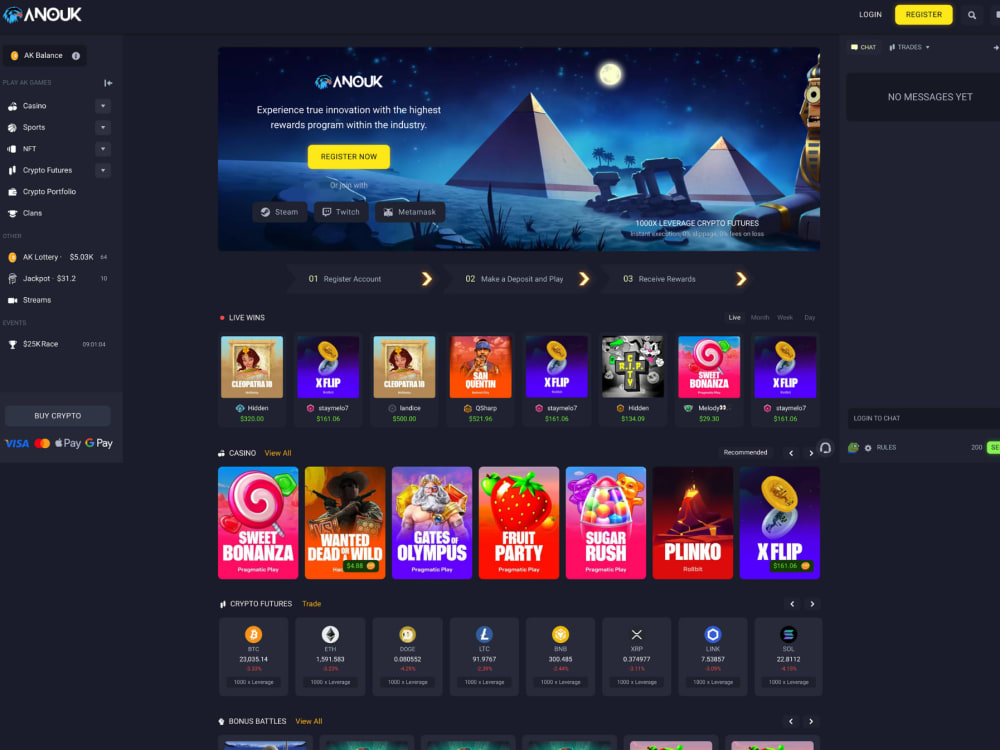
In the world of modern casinos, both online and land-based, the structure of the menu system is more than a mere navigational tool—it is a critical component of user experience, engagement, and operational efficiency. A well-organized casino menu acts as a roadmap, guiding players through a diverse array of gaming options, account management tools, and promotional content, while also subtly reinforcing brand identity and trustworthiness. The taxonomy of a casino menu involves categorizing and structuring these elements in a way that aligns with user expectations and behavioral patterns, creating a seamless interaction with the platform.
At the highest level, casino menus generally segment into three overarching categories: game offerings, player account services, and informational resources. Game offerings themselves are often subdivided into traditional classifications, such as slots, table games, live dealer experiences, and specialty games. Slots, being the most popular category in both online and physical casinos, may be further divided based on theme, volatility, or jackpot structure. Themes can range from adventure and mythology to branded entertainment and seasonal events, providing users with intuitive filters that allow quick access to content aligned with their preferences. Volatility classifications, on the other hand, offer insights into risk and reward patterns, catering to both conservative players and high-stakes thrill-seekers. Progressive or fixed jackpot delineations ensure clarity on potential winnings, which can influence gameplay decisions.
Table games in the menu often include both classic and variant forms of poker, blackjack, baccarat, and roulette. Each table game category may incorporate additional filters, such as betting limits, dealer type, or pace of play. Live dealer sections typically require their own submenus, highlighting different studio environments, dealer languages, and the type of interaction available, whether it is high-definition streaming with interactive chat features or immersive multi-angle camera setups. Specialty games, which encompass options like bingo, keno, scratch cards, and virtual sports, benefit from categorization based on play style or session length, allowing users to quickly identify games that fit their desired engagement pattern.
Player account services constitute another crucial branch of the casino menu taxonomy. These include registration and login procedures, deposit and withdrawal functionalities, loyalty or VIP program management, and responsible gaming tools. Registration and login options must be immediately accessible but unobtrusive, maintaining security without creating friction. Payment sections often feature filtering by method type—credit cards, e-wallets, cryptocurrencies—or transaction speed, enabling players to choose options suited to their convenience. Loyalty program menus provide information on points accumulation, tier levels, and redemption opportunities, often integrating seamlessly with promotional menus. Responsible gaming tools, increasingly recognized as essential, may offer limits on deposits, bets, session durations, and self-exclusion settings, ensuring that safety and sustainability are embedded in the platform’s architecture.
Informational resources form the third main category and play a vital role in establishing transparency and credibility. Menus under this branch commonly include help centers, game rules, terms and conditions, promotional details, and frequently asked questions. Help centers may be structured by topic, including technical support, account inquiries, and gameplay assistance, often supplemented with search functionality for rapid problem-solving. Game rules menus need to provide clear, comprehensive instructions that accommodate both newcomers and experienced players, sometimes offering video tutorials or interactive demos. Promotional menus organize bonuses, free spins, seasonal events, and tournaments, using segmentation by type, eligibility, and expiry date to ensure users can effortlessly locate relevant opportunities. Terms and conditions are usually presented hierarchically, emphasizing critical compliance and legal information at the top, while providing detailed references for users seeking in-depth understanding.
A well-constructed casino menu also employs a combination of navigational patterns, such as top navigation bars, side panels, drop-down menus, and mega menus. Each pattern serves a strategic purpose, balancing visibility and space efficiency. For example, a top navigation bar may present the primary categories at a glance, while side panels or drop-downs allow deeper exploration without overwhelming the user. Mega menus are particularly useful for complex platforms, offering an organized overview of multiple subcategories simultaneously, reducing the need for excessive clicks and scrolling. Mobile adaptations often leverage hamburger menus or collapsible sections, optimizing usability for smaller screens without compromising access to essential features.
Tagging and metadata are also integral to effective menu taxonomy. By associating games and resources with descriptive tags—such as “high volatility,” “live blackjack,” or “progressive jackpot”—platforms enable dynamic filtering and search functionalities. This enhances discoverability, allowing players to locate content that matches both their preferences and their current mood. Additionally, personalized recommendations, often powered by algorithmic insights, can highlight games or promotions based on previous interactions, creating a dynamic and responsive menu experience that feels tailored to each user.
Accessibility considerations must be embedded within menu taxonomy as well. Clear labeling, consistent iconography, keyboard navigability, screen reader compatibility, and contrast-sensitive design ensure that the platform is inclusive for users with varying abilities. For online casinos, this is particularly important, as it ensures compliance with legal standards and broadens the potential player base.
Ultimately, a sophisticated casino menu taxonomy achieves a balance between depth and clarity. It must accommodate an extensive and ever-expanding library of games and services while remaining intuitive and navigable. The architecture of the menu should align with cognitive expectations, presenting categories in an order that reflects usage frequency and importance. Visual hierarchy, spacing, and grouping reinforce understanding, reducing decision fatigue and enhancing engagement. By thoughtfully organizing the menu, casinos can improve user satisfaction, retention, and overall platform credibility, creating an environment in which players can explore, play, and manage their accounts confidently and efficiently. The success of a casino, particularly in digital spaces, increasingly hinges on such attention to menu structure, as it directly impacts accessibility, user trust, and the perception of fairness and professionalism.
A well-planned menu system also allows for future scalability. As new games, payment methods, or responsible gaming features are introduced, a flexible taxonomy accommodates expansion without requiring disruptive redesigns. This adaptability is essential for keeping pace with evolving market trends, regulatory changes, and player expectations, ensuring that the casino remains competitive and user-friendly over time.




Be First to Comment