Ensuring platform service continuity has become a central focus for digital service providers in today’s fast-paced and highly interconnected environment. Users expect uninterrupted access to their services, whether they are managing financial transactions, streaming media, or engaging with social platforms. The reliability of a platform is no longer merely a technical concern; it directly influences user trust, engagement, and long-term loyalty. A service interruption, even brief, can result in user frustration, reputational damage, and financial losses. Consequently, companies must adopt robust strategies to maintain continuous service delivery, anticipate potential disruptions, and mitigate their impact effectively.
At the core of service continuity is infrastructure resilience. Platforms must be built with redundancy at multiple levels, including servers, data centers, network connections, and critical application components. Redundancy ensures that if one component fails, another can immediately take over, minimizing service disruption. Cloud-based architectures have become increasingly prevalent in this context, offering elastic scaling and geographically distributed resources that allow platforms to balance loads dynamically and recover quickly from localized outages. For instance, a well-architected cloud environment can automatically reroute traffic to operational data centers if a regional outage occurs, maintaining service availability without noticeable impact on users.
Equally critical is proactive monitoring and real-time analytics. Platforms must continuously track system performance, network latency, user activity, and other operational metrics. Advanced monitoring tools leverage artificial intelligence and machine learning to detect anomalies that may indicate impending failures. Early detection enables teams to intervene before minor issues escalate into major outages. Real-time dashboards, automated alerts, and predictive modeling help operations teams prioritize critical incidents and allocate resources efficiently. This proactive stance not only reduces downtime but also enhances overall system performance, as potential bottlenecks can be identified and addressed before they affect users.
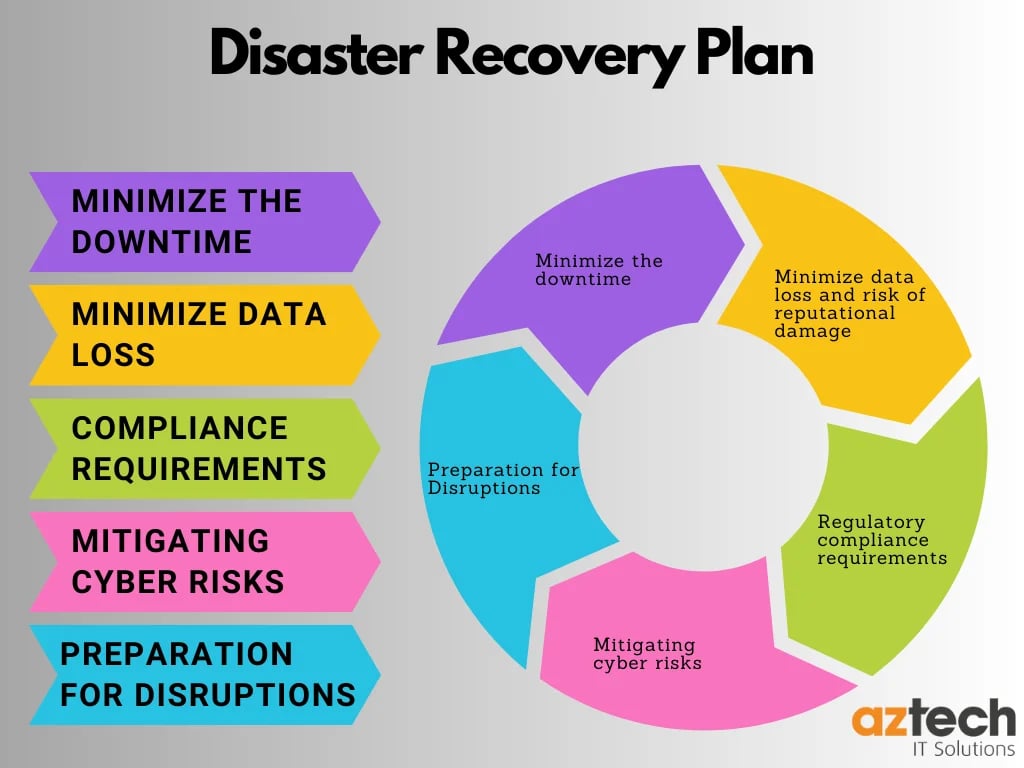
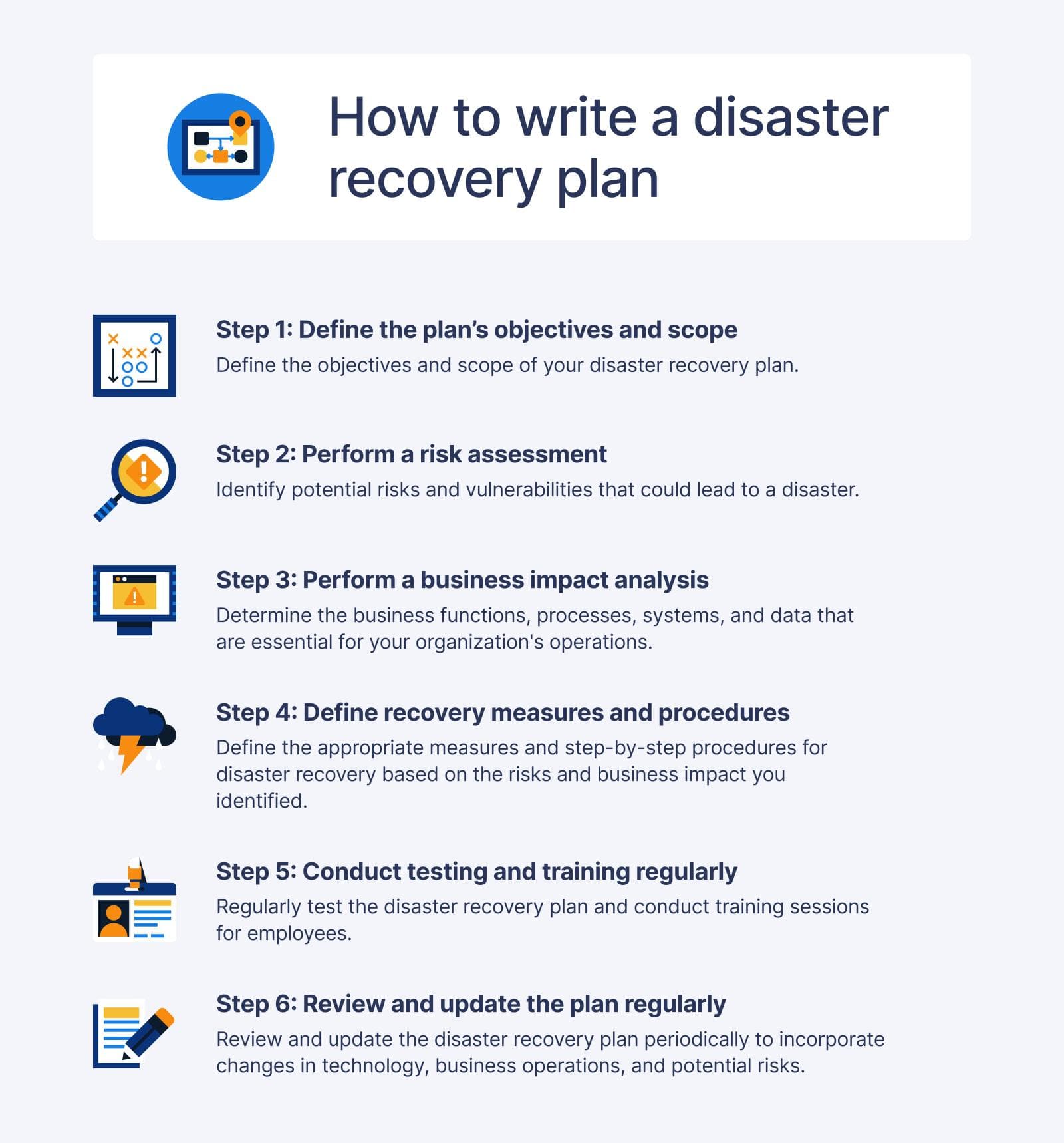
Disaster recovery planning is another essential aspect of service continuity. Organizations must develop comprehensive plans that outline procedures for responding to a range of potential disruptions, from hardware failures to natural disasters or cyberattacks. Effective disaster recovery strategies involve frequent data backups, geographically distributed storage, and pre-defined failover protocols. Recovery Time Objective (RTO) and Recovery Point Objective (RPO) metrics guide these plans, defining the maximum acceptable downtime and the amount of data loss tolerable for the business. Regular testing of disaster recovery procedures ensures that teams are prepared to execute them seamlessly when required, reducing the likelihood of prolonged service interruptions.
Security also plays a pivotal role in maintaining continuous service. Cyberattacks, including distributed denial-of-service (DDoS) attacks, ransomware, and data breaches, can abruptly disrupt platform operations. Implementing robust security measures such as firewalls, intrusion detection systems, encryption, and multi-factor authentication helps prevent attacks from compromising service availability. Moreover, platforms should incorporate incident response plans that allow rapid containment, mitigation, and recovery in the event of a security breach. By integrating security into the service continuity framework, organizations protect both their systems and their users’ trust.
Change management is another critical component. Platforms frequently undergo updates, feature rollouts, or infrastructure changes. Each modification carries a risk of introducing errors or service instability. A structured change management process, including thorough testing in staging environments, phased rollouts, and rollback procedures, helps mitigate these risks. Continuous integration and continuous deployment (CI/CD) pipelines with automated testing further enhance reliability by catching potential issues before they reach production environments. Maintaining detailed documentation of system configurations, dependencies, and update histories also supports rapid troubleshooting when incidents occur.
Communication with users during service disruptions is equally important. Transparency and timely updates help manage user expectations and preserve trust. Platforms should provide clear status updates through multiple channels, including in-app notifications, status pages, and social media. Explaining the nature of the disruption, the steps being taken to resolve it, and estimated resolution times reassures users that the organization is actively managing the situation. This openness not only mitigates frustration but can also strengthen long-term user loyalty by demonstrating accountability and reliability.
Redundancy, monitoring, disaster recovery, security, change management, and communication collectively contribute to a platform’s resilience. However, organizational culture and team preparedness are equally vital. Teams must be trained in incident response protocols, empowered to make rapid decisions, and encouraged to continually improve service reliability through post-incident analysis. Regular drills, simulation exercises, and knowledge sharing help build a culture of preparedness, ensuring that teams are ready to act swiftly under pressure. Cross-functional collaboration among developers, operations, security experts, and customer support further enhances the platform’s ability to respond effectively to disruptions.
Ultimately, platform service continuity is about anticipating potential points of failure and designing systems and processes that ensure uninterrupted service even under adverse conditions. In a world where digital experiences are integral to daily life and business operations, users expect platforms to be reliable, responsive, and resilient. Organizations that prioritize service continuity not only minimize downtime and operational risk but also foster user confidence, enhance satisfaction, and strengthen their competitive position. By combining technical robustness with proactive monitoring, strategic planning, security, effective change management, and transparent communication, platforms can achieve the continuous, dependable service that modern users demand, creating a foundation for sustainable growth and long-term trust.


Be First to Comment